These Common risks when using industrial kitchen equipment improperly and how to avoid them
Improper use of industrial kitchen equipment can lead to serious consequences, from occupational accidents to equipment damage, even fire and explosion. In the industrial kitchen space, small errors can cause great loss of property and health.
This article will help you identify common risks when using kitchen equipment incorrectly and provide practical solutions to prevent them. Let’s learn to protect the safety and optimize the operating efficiency of your industrial kitchen!
Common risks when using industrial kitchen equipment improperly
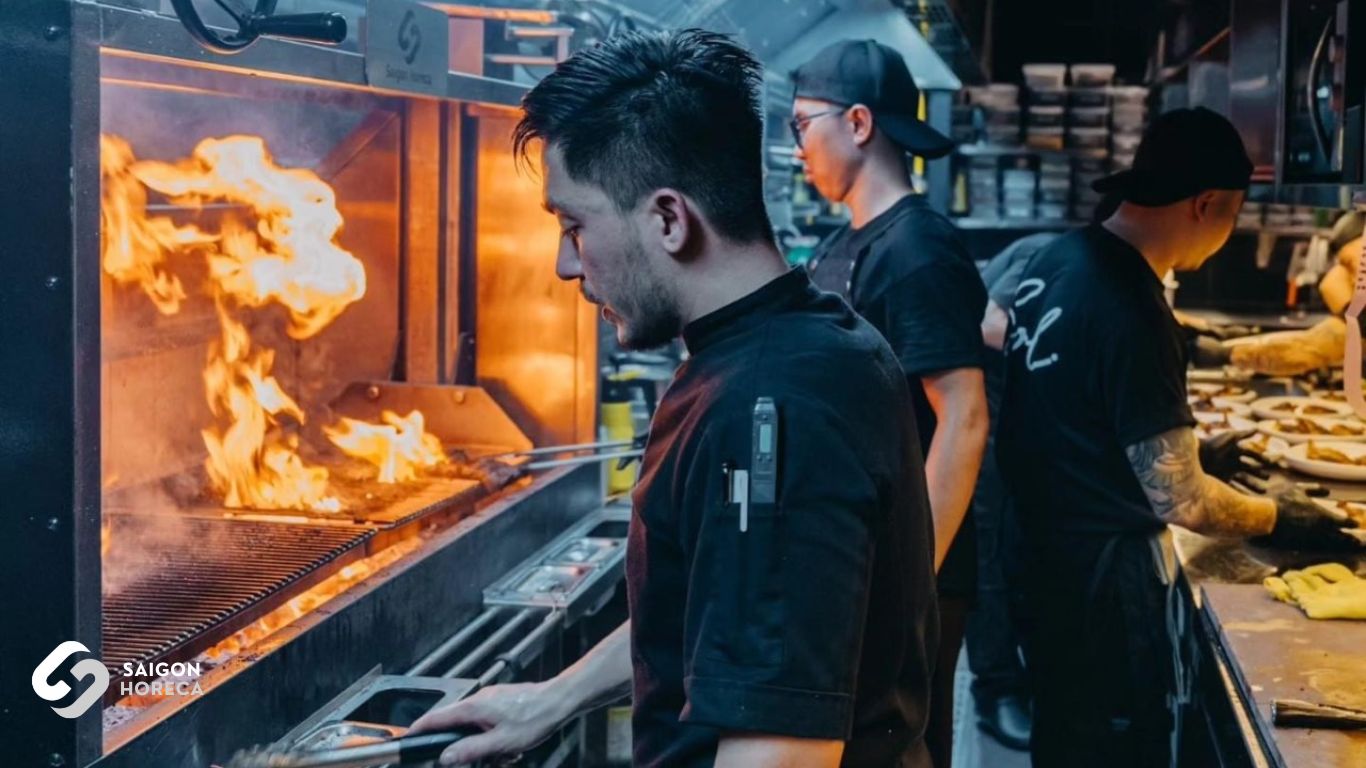
Fire and explosion accident
In an industrial kitchen environment, where high temperatures and grease are constant factors, the risk of fire and explosion accidents is always a big concern. Some common causes include:
The gas pipeline system is not checked periodically, the valve is not securely closed, or the connections are open, which can lead to gas leaks. When gas accumulates in a closed space, just a small spark can cause a fire and explosion.
The amount of grease that accumulates in exhaust pipes and ventilation fans over time will become flammable material. If not cleaned regularly, just high heat from the stove is enough to ignite these grease patches.
When the stove must operate continuously at high loads, the risk of damage or overheating of the device increases. This not only affects the lifespan of the stove but also increases the possibility of fire and explosion due to internal components being damaged or short-circuited.
Serious consequences
Fire and explosion in industrial kitchens do not just stop at damaging equipment but also cause:
- Fire spreads quickly in the kitchen and can destroy the entire restaurant or business area in a short time. These damages sometimes exceed the ability of business owners to pay, especially when there is no fire insurance.
- In a crowded kitchen space, escape in case of a large fire is often very difficult. In addition, toxic fumes from burning grease or gas also pose a serious danger to employees’ respiratory tract.
How to effectively prevent fires and explosions
- Make sure all connections, valves and gas pipes are working properly.
- Install sensors to detect gas leaks to warn early when problems occur.
- Clean the chimney, exhaust fan, and grease filter at least once a month.
- Use a professional service to thoroughly inspect and maintain the hood system.
- Allocate cooking time appropriately to avoid the situation where the kitchen has to operate continuously for many hours.
- Use kitchen equipment that is of high quality and suitable for the restaurant’s operating capacity.
- Install fire extinguishers, automatic sprinkler systems, and ensure all employees are trained in escape skills and use of fire prevention equipment.
- Have a clear escape plan and organize regular drills for employees.
Fire and explosion accidents in industrial kitchens are not only a technical problem but also a problem of awareness and responsibility. Investing in preventative measures not only helps protect property and lives but also builds reputation and trust from customers. As the saying goes, “prevention is better than cure,” preventing risks from the beginning is the key factor to maintaining the stability and sustainable development of a restaurant or industrial kitchen.
Electric shock or short circuit
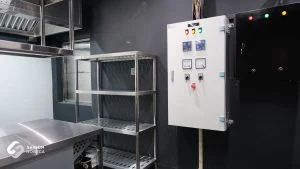
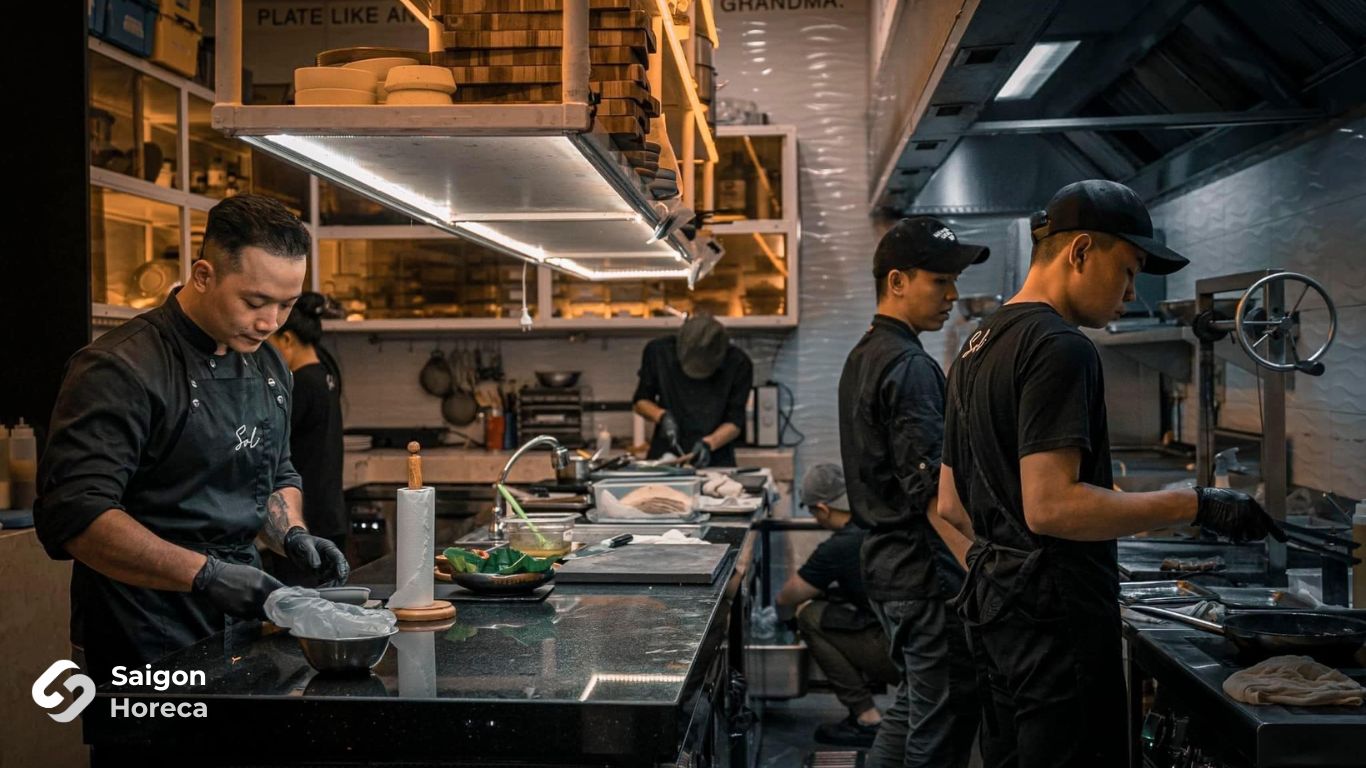
In industrial kitchens, electrical wires often have to bear a large load to operate many devices such as ovens, induction cookers, and range hoods. If you use poor quality wires or are not suitable for the device’s capacity, the risk of overload leading to a short circuit is very high.
The kitchen area often has water due to washing food, cleaning floors or equipment. If the sockets and wires are not protected against water, the possibility of electric leakage or electric shock is very high.
Improper installation or repair of electrical systems, such as using unsafe replacement materials or making temporary wiring connections, are also potential causes of accidents.
Unpredictable consequences
- Equipment damage: Electrical short circuits can damage the entire electrical system in the kitchen, leading to costly replacement or repairs. High-value equipment such as industrial ovens or freezers are often the most severely affected.
- Risk of death: Electric shock not only causes burns but also directly threatens the lives of kitchen staff. With high current intensity, the consequence can be cardiac arrest or other serious damage.
Suggestions for handling and prevention
- Perform inspection and maintenance of the electrical system at least every 6 months to promptly detect damage or substandard wires.
- Use load measuring devices to ensure that there is no electrical overload in the system.
- Install electrical outlets specifically designed to protect against water and mold in the kitchen environment.
- Place the outlet in a high position, away from areas easily exposed to water such as sinks.
- Train employees to recognize signs of electrical danger, such as a burning smell or sparks.
- Equip basic knowledge about handling electrical incidents, such as cutting circuit breakers or using insulating gloves when necessary.
- When designing or renovating a kitchen, you should work with professional contractors who have experience in installing electrical systems for industrial environments.
- Use automatic circuit breakers (CB) to ensure the electrical system is protected when overload or leakage occurs.
Food poisoning due to equipment unsanitary
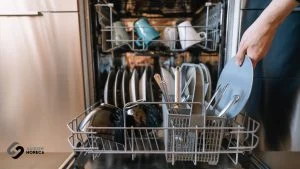
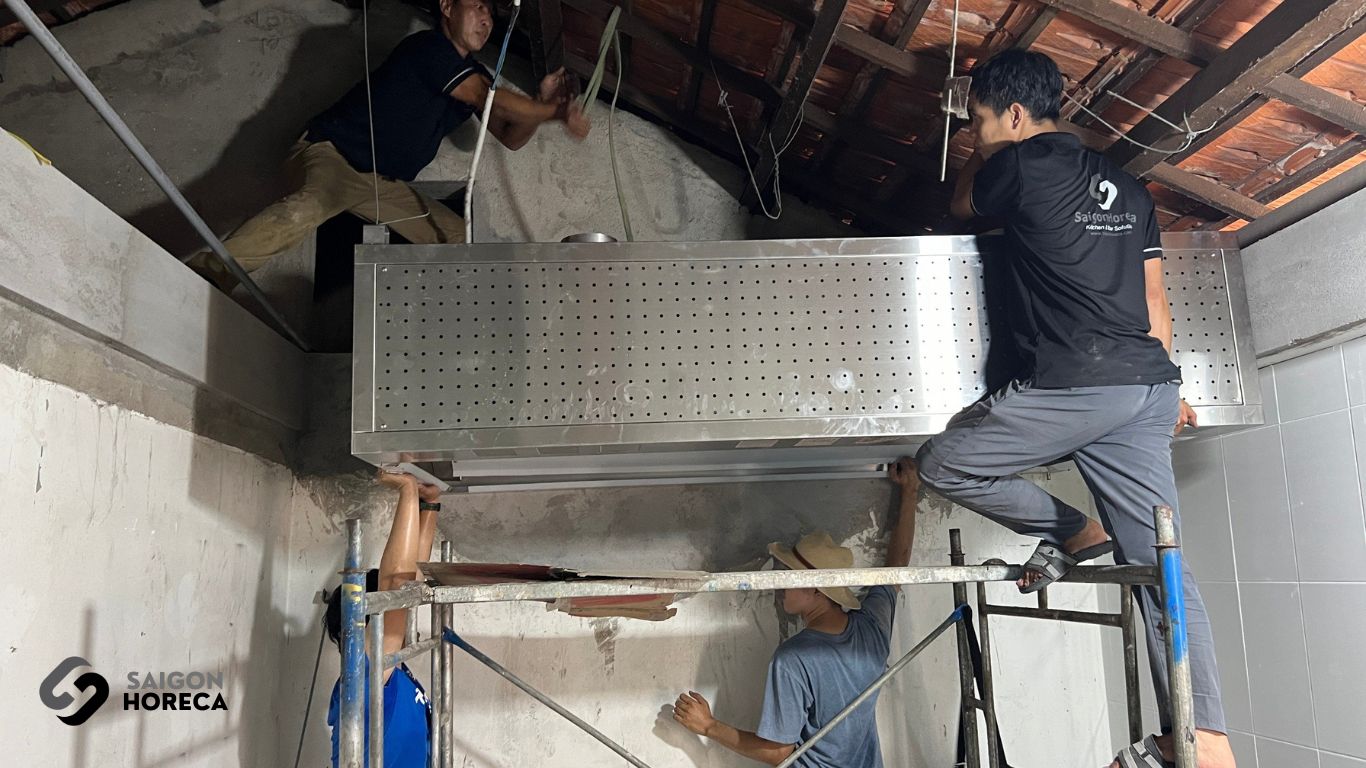
Meat slicers, freezers, and ovens are devices that often come into direct contact with food. If not cleaned thoroughly, leftover food debris will become an ideal environment for bacteria to grow, such as Salmonella or E. coli.
Some kitchens often skip cleaning schedules for equipment because of work pressure or lack of staff. This leads to a buildup of grease, bacteria, and mold on food contact surfaces.
Using inappropriate detergents or not washing chemicals off equipment surfaces can also cause food poisoning.
Serious consequences
- Contaminated food:
Using dirty equipment can cause food contamination, leading to food poisoning for diners. Common symptoms include abdominal pain, diarrhea, vomiting, and in some severe cases, even hospitalization.
- Effects on customer health:
Contaminated foods not only cause short-term effects but can also lead to serious diseases such as enteritis or liver damage.
- Damage to reputation and revenue:
A food poisoning incident can seriously damage the reputation of a restaurant or industrial kitchen. Diners will lose trust and may switch to competitors.
Tips to prevent errors result
- Set a regular cleaning schedule:
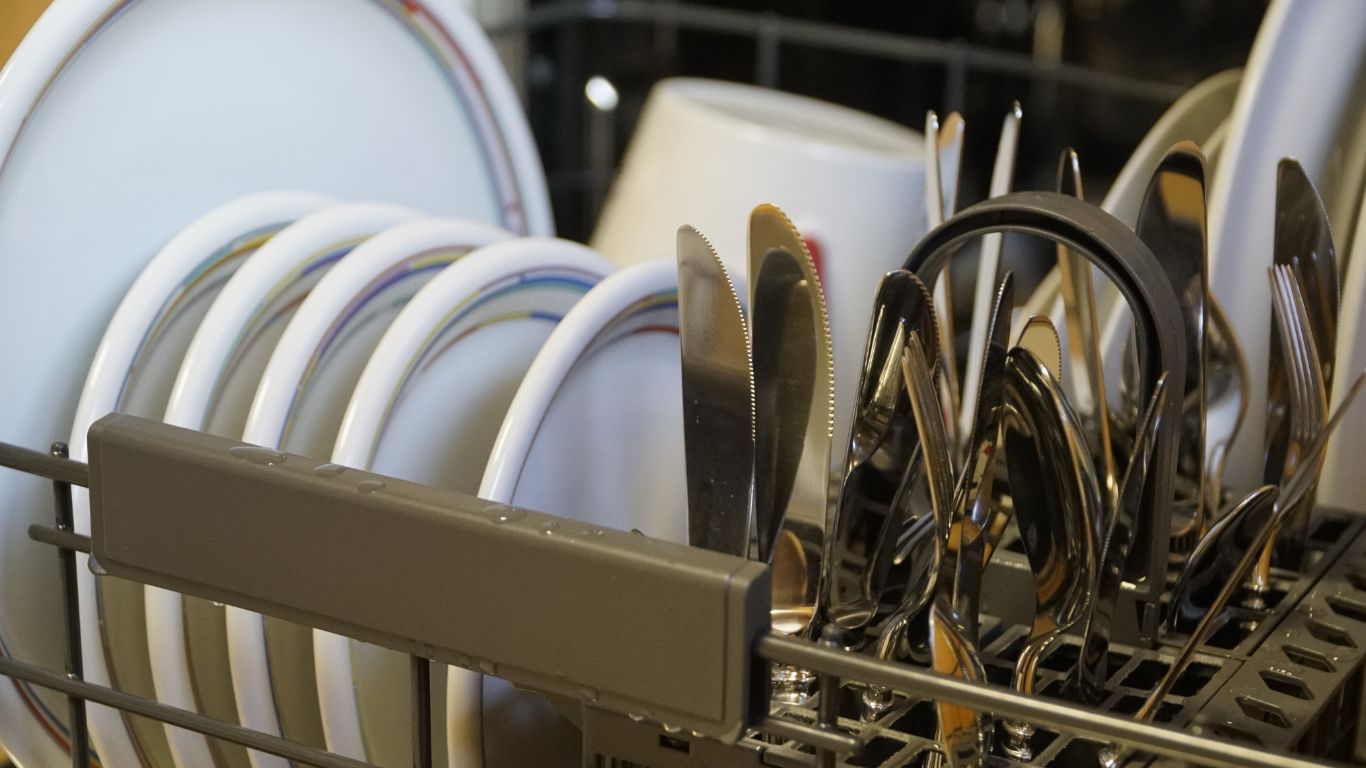
- Set a detailed cleaning schedule for each device. For example, meat slicers should be cleaned after each shift, and freezers and ovens should be deep cleaned at least once a week.
- Use a hygiene checklist to ensure every employee is following the correct procedures.
- Comply with food hygiene and safety standards:
- Regularly train employees on hygiene standards, such as how to properly clean equipment and use separate utensils for raw and cooked food.
- Ensure all equipment is periodically inspected and maintained to avoid damage or dust buildup.
- Use cleaning chemicals safely:
- Choose chemicals that are certified to be safe for food and follow the instructions for use.
- After cleaning, always rinse the device with clean water to completely remove chemicals.
- Daily hygiene check:
- Perform an end-of-day hygiene check to ensure no food residue remains on the equipment. This helps limit the growth of bacteria in warm, moist environments.
Device damage due to overload
- Improper operation:
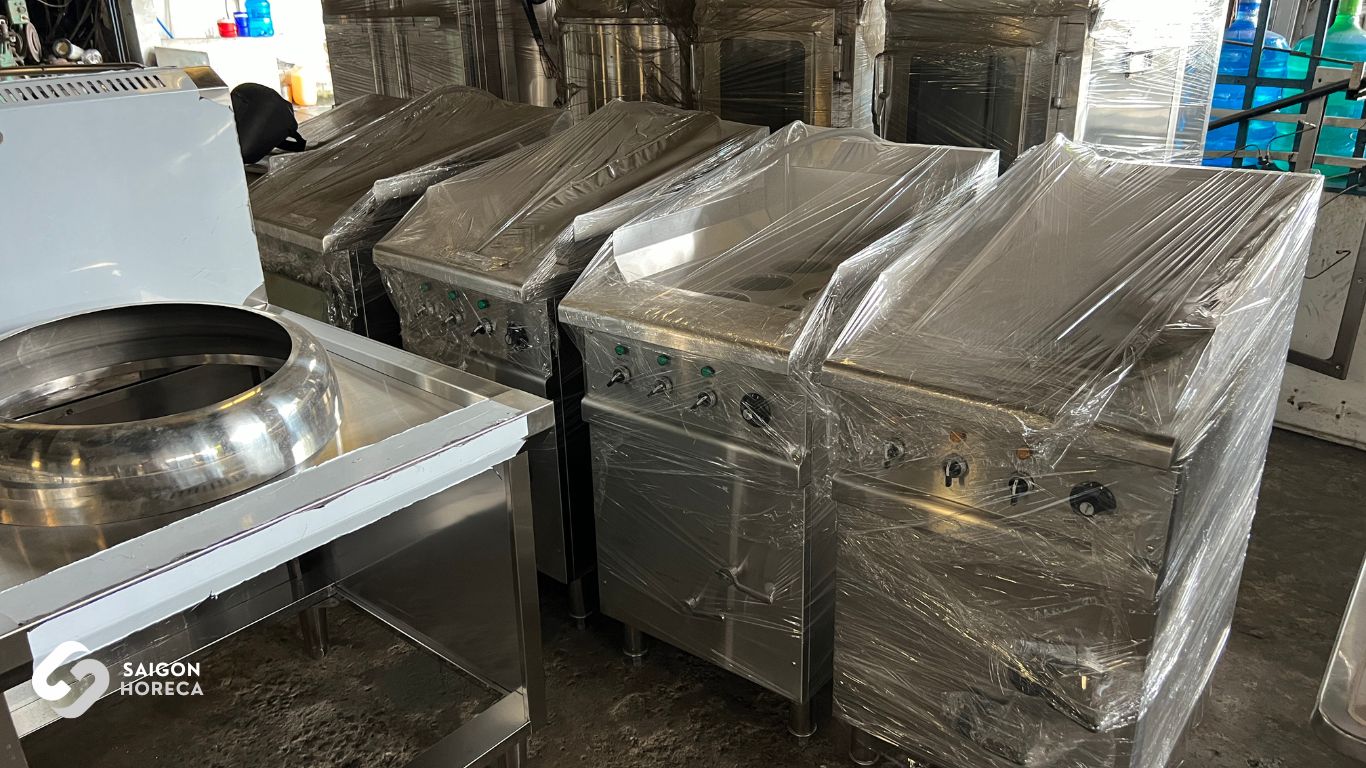
In industrial kitchens, the pressure to serve a large number of diners often causes staff to use equipment beyond the recommended capacity. For example, an oven or mixer is operated continuously for a long time without a break, leading to overheating and component wear.
- Lack of knowledge about equipment limitations:
Many employees lack basic training on how to use and maintain equipment, making them unaware of the load-bearing capacity of each type of machinery.
- Ineffective operation plan:
Failure to properly allocate work in the kitchen can also cause some equipment to be used continuously, while other equipment is not utilized, leading to local overload.
—> Serious consequences important
Frequent overload operation causes components inside the device such as motors, wires, or heating elements to wear out quickly, leading to the need for replacement or repair before the expected time
Sudden failures not only disrupt the kitchen’s operating process but also cause businesses to face emergency repair costs, sometimes even more expensive than investing in new equipment.
Using equipment that exceeds its capacity can cause electric shock, fire, or even increase the risk of occupational accidents in the kitchen.
When equipment is damaged, service productivity will decrease, causing delays in responding to orders or serving customers, reducing the customer experience and the restaurant’s reputation.
Effective solutions to prevent
- Train employees to properly use equipment:
- Provide training sessions on equipment use for all employees, including clearly explaining capacity limits and safe operation.
- Use manuals or video demonstrations placed in work areas to remind employees.
- Regular maintenance:
- Schedule regular equipment inspection and maintenance to detect early signs of wear or potential damage.
- Cooperate with professional maintenance units to ensure quality and equipment longevity.
- Reasonable allocation of work:
- Arrange scientific work flow in the kitchen to avoid overloading some equipment. For example, instead of using just one oven, batches of food can be divided to use multiple appliances simultaneously.
- Invest in appropriate equipment:
- Choose equipment with capacity appropriate to the scale of kitchen operations. Don’t just because of saving initial costs, invest in equipment that is not enough to meet demand, leading to continuous overuse.
- If the kitchen tends to expand in size, consider high-end appliances with better load capacity.
 Facebook
 Zalo
Zalo