How to clean commercial kitchen exhaust pipe – Why and how often?
Cleaning commercial kitchen exhaust pipes is one of the most important ways to maintain safety, efficiency, and compliance in the kitchen. Understanding how the smoke extraction & fresh air supply system works and why it is necessary to keep it clean will help you effectively schedule regular commercial kitchen exhaust cleaning.
How the kitchen exhaust system works
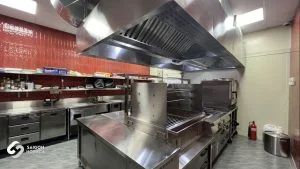
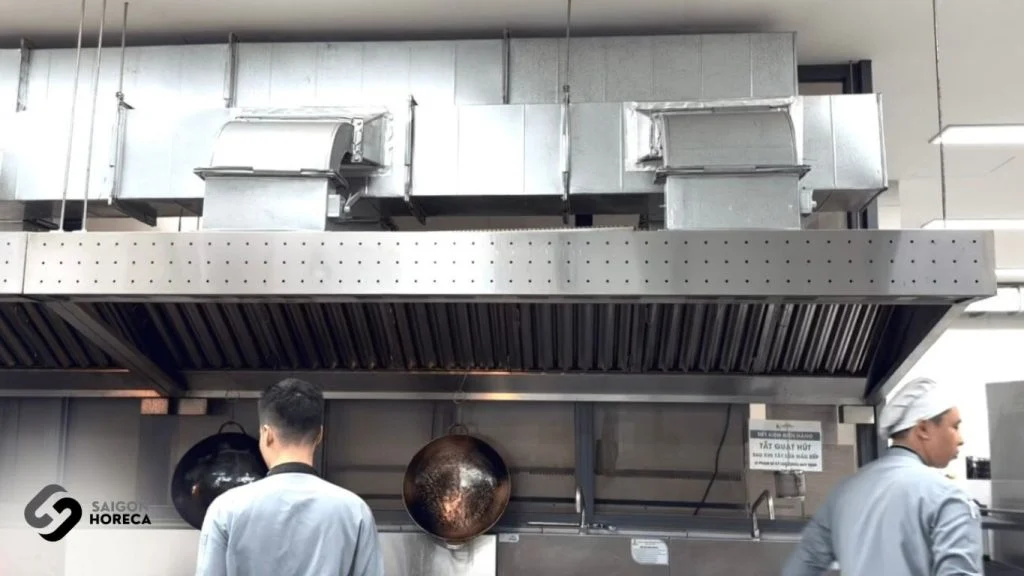
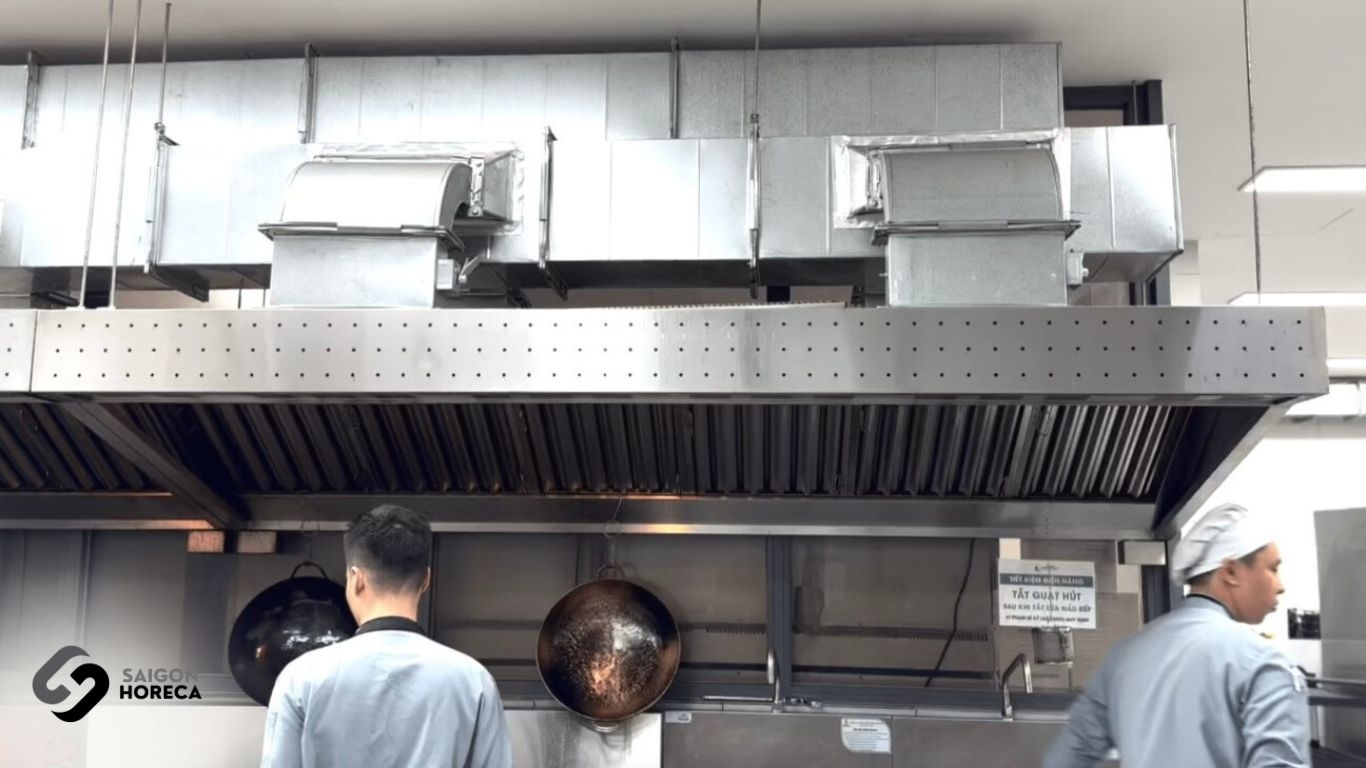
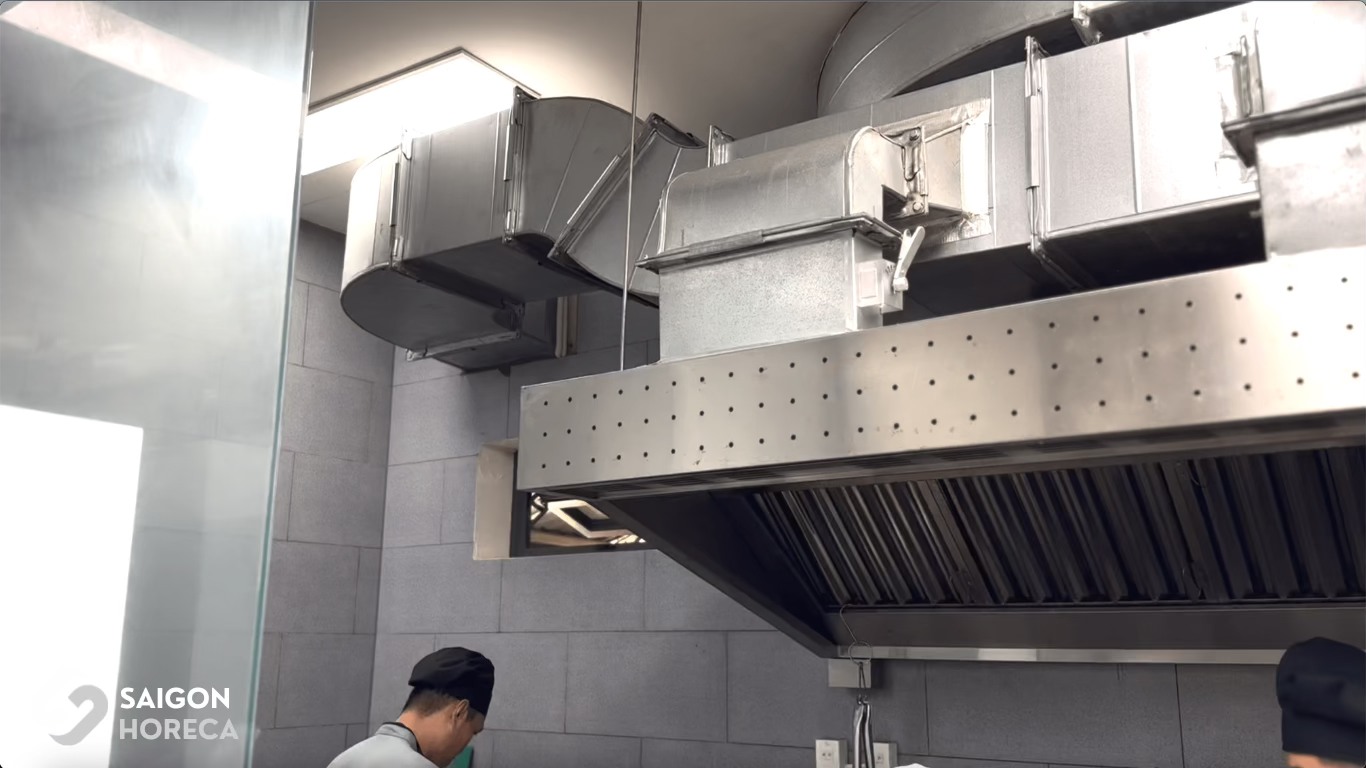
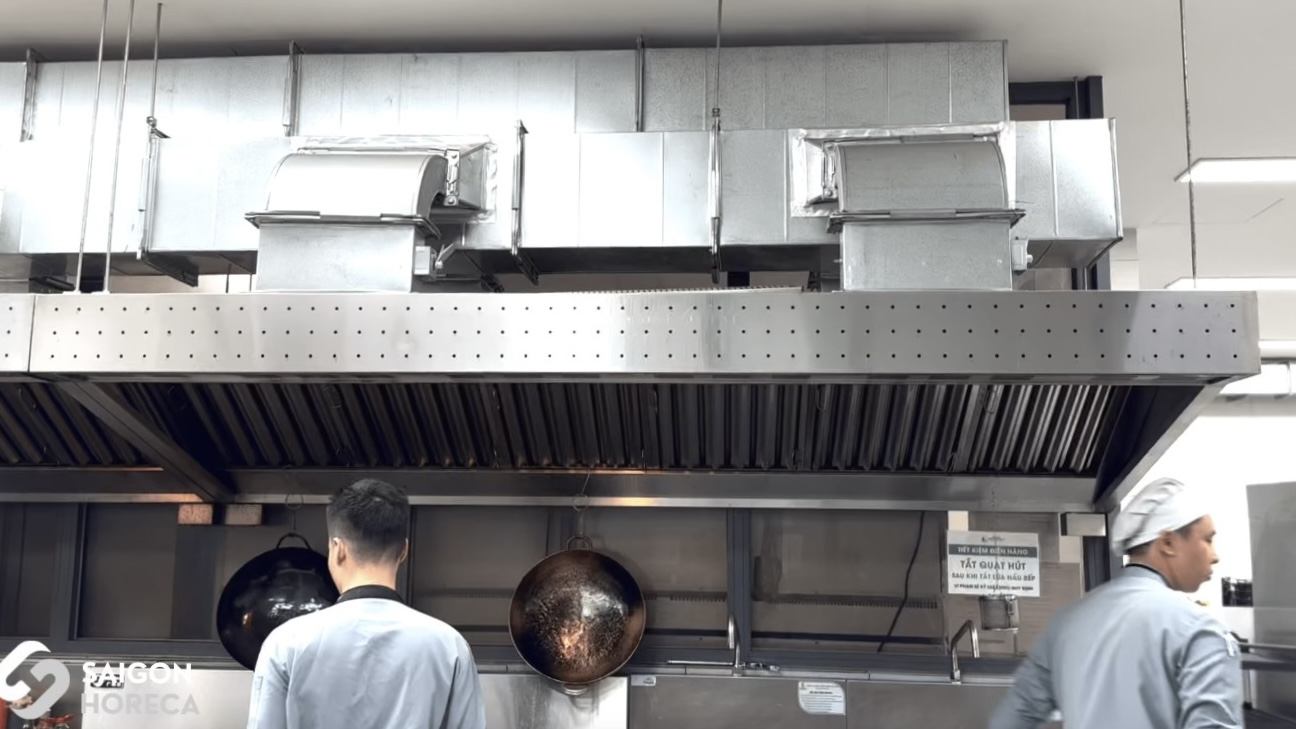
commercial kitchen exhaust systems, also known as ventilation systems, play an important role in maintaining air quality and safety. This system includes many parts such as hood, filter, duct, and exhaust fan. Here’s how the system works:
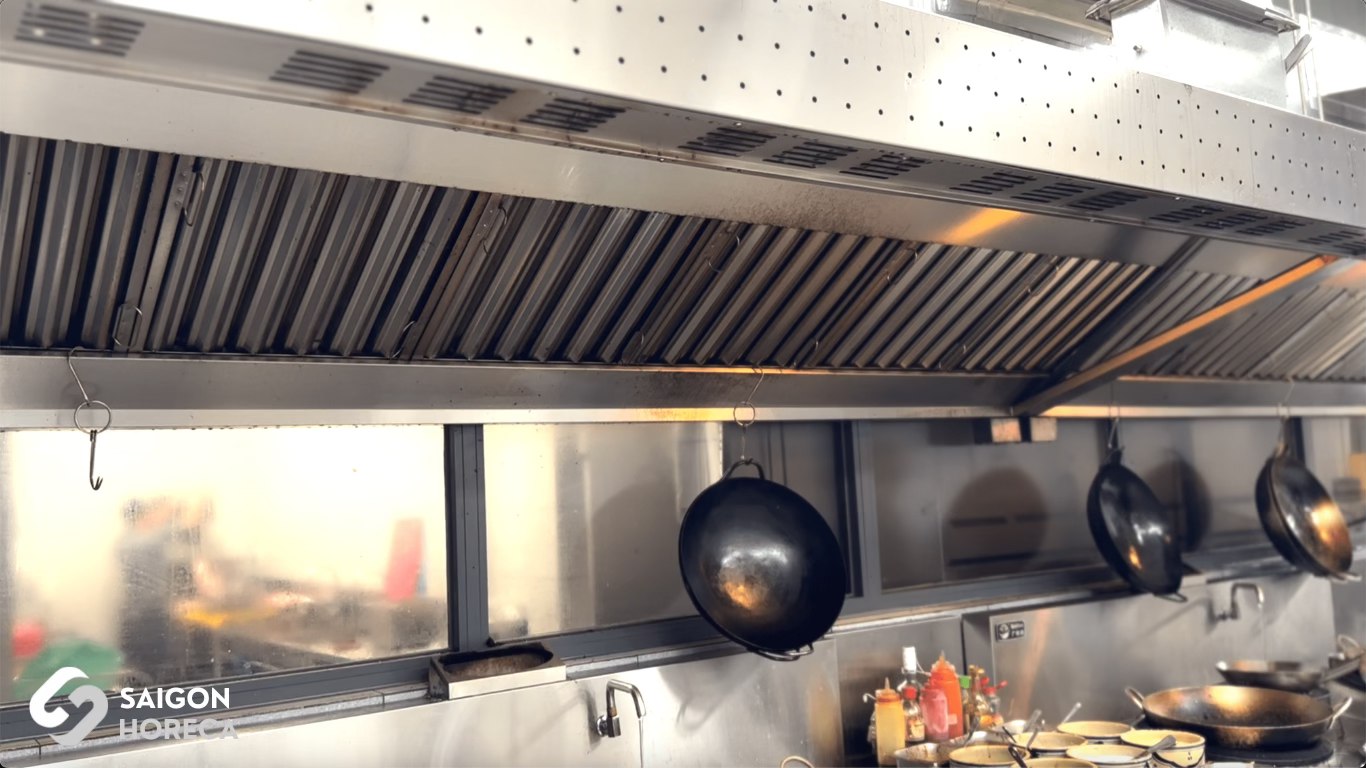
- Suction hood: Placed right above the cooking equipment, the hood is responsible for capturing grease, smoke, steam and heat generated during the cooking process.
- Filters: Filters trap grease and other dust particles, keeping them out of ducts.
- Duct: Conducts air and captured pollutants away from the kitchen area.
- Exhaust fan: The exhaust fan pushes polluted air outside, ensuring clean air is circulated back into the kitchen.
This system helps reduce heat, odors and grease buildup, creating a safer and more comfortable kitchen environment. However, if not cleaned regularly, system components can become clogged, reducing performance and posing a risk of fire and explosion.
More detailed operating principles:
- The exhaust fan creates a low pressure area inside the hood, causing air containing grease, smoke and odors to be sucked in.
- The filter, usually a metal mesh or filter paper, traps large particles such as grease, while smaller particles and harmful gases are expelled.
- The pipe is designed with a certain tilt to help grease flow to a concentrated point, convenient for cleaning.
- Filtered air will be pushed out through the exhaust duct, usually installed on the roof.
Why is it necessary to clean the exhaust pipe in an commercial kitchen
Fire and Explosion Prevention
The main reason to regularly clean smokestacks in restaurants is to prevent fires and explosions. Grease and flammable particles accumulate in hoods, filters, and pipes over time. When ignited, they can cause a dangerous fire that spreads rapidly.
Factors that increase the risk of fire and explosion:
- High frequency of cooking: Restaurants and eateries often cook large amounts of food, leading to rapid accumulation of grease.
- Use time: If the smoke extraction system is not cleaned regularly, the grease layer will gradually thicken and increase the risk of fire and explosion.
- System design: Smoke extraction systems with complex designs and many angles will create conditions for grease to stick and be difficult to clean.
Improving Air Quality
A clean exhaust system effectively removes smoke, steam, and cooking odors from the kitchen, maintaining better air quality for employees and customers.
Harmful effects of polluted air in the kitchen:
- Effects on health: Frequent exposure to air containing a lot of grease and dust can cause respiratory problems such as cough, asthma, bronchitis. In addition, some toxic substances can cause more serious diseases such as lung cancer.
- Reduced work productivity: Employees working in polluted air environments often feel tired, uncomfortable, and have reduced concentration, leading to reduced work productivity.
- Effects on restaurant image: A kitchen with polluted air will create a bad impression of the restaurant’s hygiene and food safety quality, making customers afraid.
How smoke extraction systems help improve air quality:
- Fume extraction system with effective filter will trap dust and grease particles, preventing them from floating in the air.
- The powerful exhaust fan will absorb odors, smoke, and steam generated during the cooking process, bringing fresh air to the kitchen.
- Removing dust particles, grease and odors will help prevent the growth and spread of bacteria, ensuring food hygiene and safety.
Increase Device Performance
Regularly clean the exhaust system in commercial kitchens to ensure the ventilation system operates effectively. A clogged system can strain the exhaust fan, leading to higher energy costs and risk of failure.
Why does cleaning the smoke extraction system help increase equipment performance?
When the system is clogged, the exhaust fan has to work harder to suck in air, resulting in more power consumption. Continuous overload operation can overheat and damage the fan motor.
Regular cleaning helps system parts operate smoothly, reduces friction and wear, and prolongs the life of the device. A clean smoke extraction system will operate at maximum efficiency, removing smoke and odors quickly and effectively.
Regulatory Compliance
Health and safety regulations require commercial kitchens to maintain clean exhaust systems. Violations can result in fines, administrative penalties, or even facility closure.
As mentioned, polluted air in the kitchen can harm the health of employees and customers. Compliance with regulations helps ensure a safe working and dining environment. Grease accumulation in the smoke extraction system is the main cause of fire and explosion. Regular cleaning helps reduce this risk.
Food hygiene and safety regulations are mandatory for all culinary businesses. Violations can result in severe penalties. A restaurant with a clean and well-functioning smoke extraction system will create a good impression on customers, contributing to building a brand image.
Extend Equipment Life
Regular cleaning and maintenance can prolong the life of your kitchen ventilation system, helping you save on repair and replacement costs.
Always comply with hygiene standards
Maintaining a clean kitchen exhaust system is not only about safety but also about compliance with regulations. Health and fire safety codes require commercial kitchens to adhere to specific cleaning schedules and standards. Here are some key points:
Regulations of the Local Health Department
Health departments conduct periodic inspections to ensure compliance with hygiene standards. A dirty exhaust system can lead to violations and potential closure.
Regulations on Fire Safety
Fire inspectors often inspect commercial kitchens to ensure compliance with fire safety standards. Grease buildup in smoke extraction systems is a common violation of these regulations.
Insurance Requirements
Many insurance policies require proof of regular exhaust system cleaning to maintain coverage. Failure to comply may result in your claim being denied in the event of a fire.
Industry Standards
Organizations such as the National Fire Protection Association (NFPA) provide industry standards for commercial stove maintenance, including specific guidelines for cleaning exhaust systems.
How often should you schedule cleaning of a restaurant’s smoke extraction system?
The frequency of cleaning the exhaust system in a commercial kitchen depends on many factors, including the type and volume of cooking, the type of fuel used, and the kitchen’s operating hours. Here are some general guidelines:
High Volume Kitchen
Kitchens that use solid fuels such as wood or coal, or that produce a lot of grease (e.g., fast food restaurants), should schedule exhaust system cleaning quarterly or even monthly.
Medium Volume Kitchen
Kitchens with moderate grease levels (e.g., casual dining restaurants) should have their exhaust systems cleaned every six months.
Small Volume Kitchen
Kitchens with low grease levels (e.g. schools or retirement centers) can extend cleaning to once a year.
Customized Schedule
Consult a professional exhaust system cleaning service to establish a customized cleaning schedule based on your specific needs.
Cleaning process of restaurant exhaust system
- Preparation:
- Turn off all kitchen appliances and make sure the ventilation system has cooled.
- Cover cooking surfaces and adjacent appliances with plastic sheeting to protect from cleaning chemicals.
- Disassemble:
- Remove and clean the individual filters. Soak them in a stainless steel cleaning solution to dissolve the grease.
- Access to ducts and exhaust fans to perform cleaning.
- Cleaning:
- Apply degreasing solution to hoods, ducts, and fans. Use a non-abrasive pad to remove grease and dirt.
- Rinse thoroughly with hot water to completely remove detergents.
- For stubborn grease, the use of steam can be very effective.
- Reassembly:
- After all parts have been cleaned and dry, reassemble the system.
- Make sure the filters are reinstalled properly and the fan operates smoothly.
- Final Check:
- Perform a test run to ensure the ventilation system is operating properly.
- Check for any remaining grease or missed areas and clean if necessary.
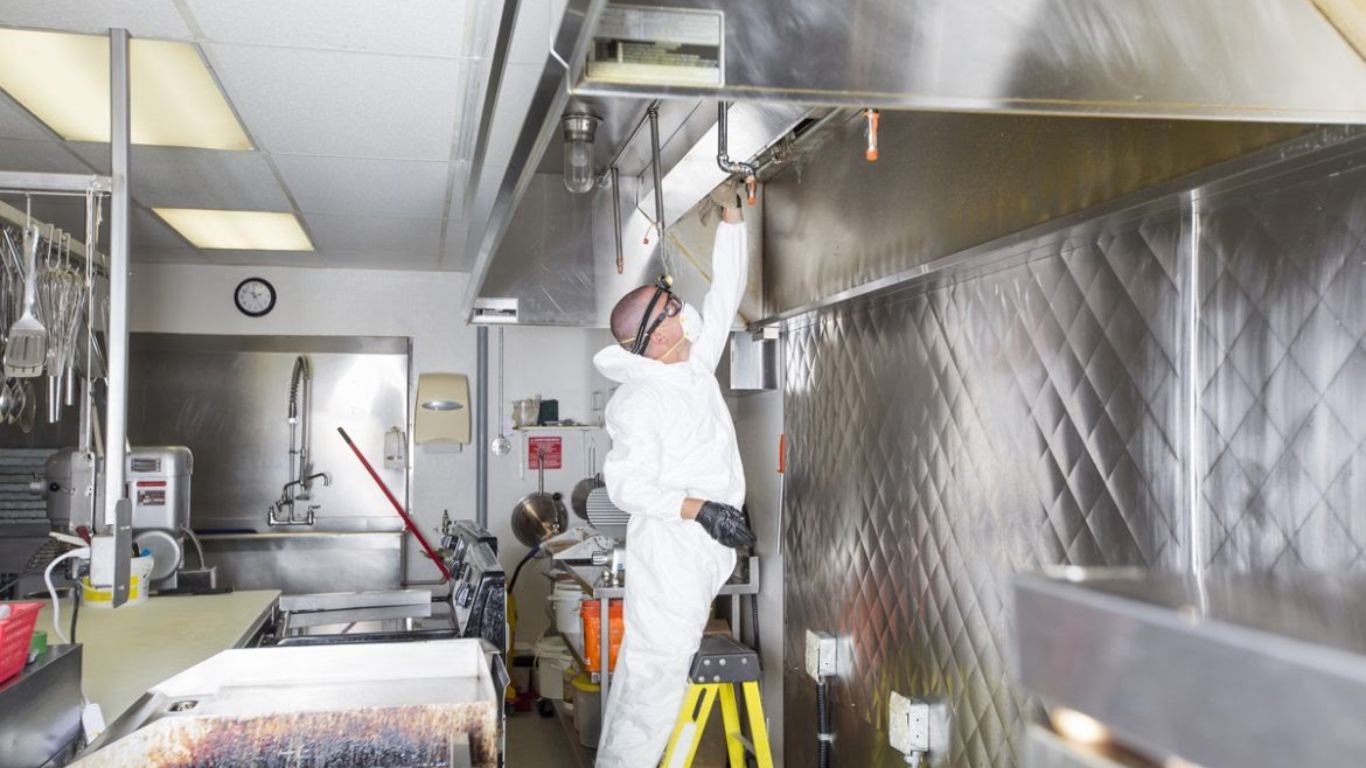
Use professional cleaning services
While periodic internal cleaning is essential, hiring a professional cleaning service for the exhaust system ensures thorough cleaning and compliance with safety standards. Here’s the reason:
- Experts are trained to thoroughly clean all parts of the ventilation system.
- They use specialized tools and cleaners to remove stubborn grease and dirt.
- Professional cleaners follow strict safety procedures to prevent accidents and ensure the job is done thoroughly.
- They provide hygiene documentation, which is important for medical examinations and insurance claims.
Conclusion
Regular and thorough cleaning of commercial kitchen exhaust systems is important to maintain a safe, efficient and compliant kitchen. Understanding how your fresh air exhaust system works and following a consistent cleaning schedule can help prevent fires, improve air quality, and prolong equipment life. Successful Projects of Saigon Horeca
 Facebook
 Zalo
Zalo