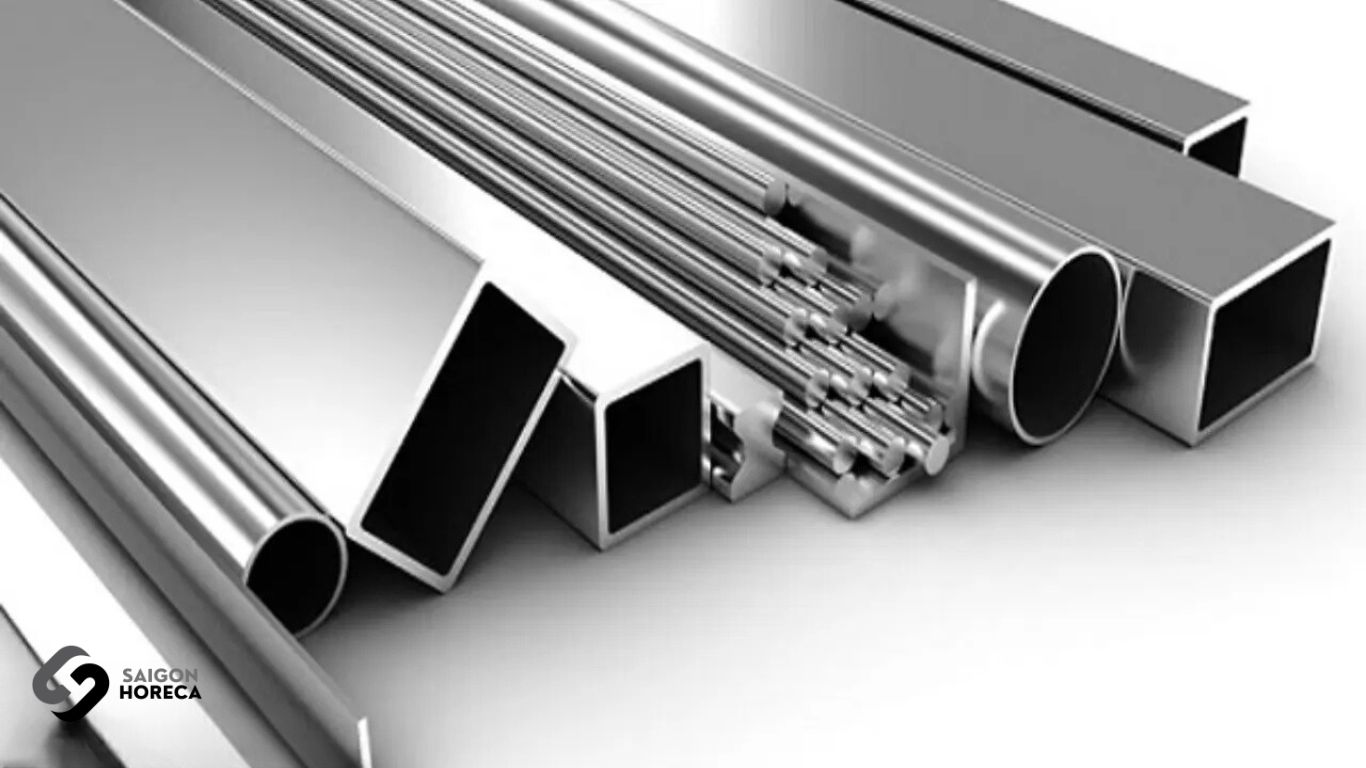
Stainless Steel 201: Advantages and Disadvantages in Use
Known as an innovative solution in the stainless steel industry, Stainless Steel 201 is the focus of attention. Not only because of its excellent durability and corrosion resistance, but also because of its diversity in manufacturing and wide use. In this article, Saigon Horeca will explore with you details about Stainless Steel 201, from its chemical composition to the interesting applications it brings. Let’s learn about this extremely useful document and why Stainless Steel 201 is increasingly popular in many different fields.
What is 201 stainless steel?
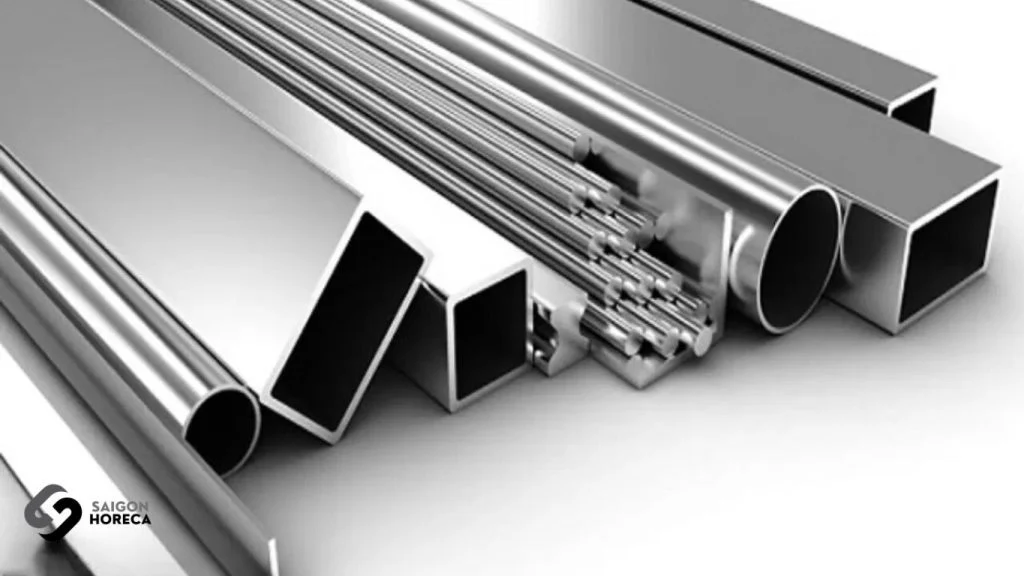
Stainless Steel, a famous type of stainless steel, is known for its durability and excellent corrosion resistance. The quality of stainless steel depends on the adjustment of the chemical composition, and one of the most important factors is nickel. Nickel plays a key and irreplaceable role, deeply affecting the corrosion resistance, hardness, and durability of stainless steel.
However, recently, nickel prices have increased, posing many challenges for the stainless steel industry. To solve this problem, stainless steel 201 appeared. Stainless steel 201 has an adjusted chemical composition compared to traditional stainless steel. The nickel content has been reduced and replaced with nitrogen and manganese. The chemical composition of stainless steel 201 includes about 72% iron, 18% chromium, 6% manganese, 3% nickel, and small amounts of other elements.
This change in the chemical composition of stainless steel 201 shows the creativity and efforts of the industry to find solutions in the context of increasing prices of nickel. Stainless steel 201 represents diversity and flexibility in the production of stainless materials, meeting the diverse requirements of different applications.
Currently, Stainless Steel 201 has become a diverse material that can be processed in many different forms. It can be bent, cut, and welded with ease, making it suitable for the production of many different parts and products. Stainless steel 201 is especially popular in the production of household appliances, such as kitchen utensils and interior decorations. It is also used in the production of various products, including solar water heaters and many other applications. The success of Stainless Steel 201 demonstrates the diversity and flexibility of the stainless steel industry in creating alternative solutions and saving precious materials such as nickel.
Chemical composition table of stainless steel 201

Characteristics of Stainless Steel 201
Durability and machinability
Stainless steel 201 is a multi-purpose material, shining with most of the basic characteristics that people often expect from stainless steel. Not only is it a mirror-coated, smooth and durable material, Stainless Steel 201 also stands out with its incredible corrosion resistance and heat resistance. However, due to the difference in chemical composition compared to other types of stainless steel, some of these properties also have slight differences.
A specific example is the hardness and corrosion resistance of Stainless Steel 201. Because of its lower nickel content, Stainless Steel 201 has lower hardness and corrosion resistance than Stainless Steel 304, a traditional stainless steel.
The density of stainless steel 201 is 7.93g/cm3, similar to stainless steel 304, showing stability in design. In particular, Stainless Steel 201 has good formability and is easily processed by methods such as welding or cutting, making it the preferred choice in the household appliance manufacturing industry.
Although it is less magnetic and only attracts a light magnet, when healed, Stainless Steel 201 has strong magnetic ability. It also exhibits exceptional durability and reliable heat resistance, especially in wet conditions. However, it should be noted that Stainless Steel 201 can be slightly corroded by high levels of acid and salt.
With a lifespan of 15 to 20 years of use, Stainless Steel 201 is considered a sustainable solution for many different applications. The versatility in use and ability to adapt to many different environments that characterize Stainless Steel 201 have made it a popular choice in many industries.
Corrosion resistance
The corrosion resistance of Stainless Steel 201 is often affected by a number of important factors in its chemical composition.
First of all, Stainless Steel 201 has a lower chromium content than Stainless Steel 304, only about 2%. Chromium is an important ingredient that helps create a surface oxide film, helping to protect steel from corrosion. Because it has less chromium, stainless steel 201 often has lower corrosion resistance than stainless steel 304, especially in acid or salt environments.
Second, Stainless Steel 201 also has a lower sulfur content than Stainless Steel 304. Sulfur can affect the rust resistance of the metal surface. Therefore, when there is less sulfur, Stainless Steel 201 may have lower surface rust resistance than Stainless Steel 304.
However, this does not mean that Stainless Steel 201 is not valuable or cannot be used in applications requiring corrosion resistance. Stainless steel 201 is still corrosion resistant, and it can be selected for specific applications based on specific requirements and conditions.
Is 201 stainless steel toxic?
Stainless steel 201 does not contain toxic substances and does not contain elements that are dangerous to human health. This is one of the great advantages of stainless steel in general and 201 stainless steel specifically. It is a material that is safe for human health and environmentally friendly. There is no risk of toxicity when using 201 stainless steel or products made from it. Therefore, you can safely use 201 stainless steel in many different applications without worrying about toxicity.
Stainless steel 201 is a material that is safe for human health and non-toxic when used in most applications. However, there are some specific restrictions and limitations associated with the use of Grade 201 Stainless Steel in acidic environments.
One point to note is that 201 stainless steel contains a certain amount of manganese and some other metals in its chemical composition. In acidic environments, such as fruit juices, manganese can leach into food or drinking water. This can cause health problems if exposed to high levels of manganese, for example affecting the nervous system, causing kidney or lung toxicity, or causing cardiovascular problems.
Therefore, avoiding the use of Stainless Steel 201 in applications involving acidic food or drinking water is a safe choice and should be followed. Instead, stainless steel 304 or other types of stainless steel with better corrosion resistance should be used in such situations to ensure safety for human health.
Heat resistance and cost
Stainless steel 201 has some other important properties that Saigon Horeca mentioned:
- Heat resistance: Stainless steel 201 has a fairly high degree of heat resistance, in the temperature range from 1,149 degrees Celsius to 1,232 degrees Celsius. This makes it suitable for many applications in high temperature conditions, such as in the metallurgical industry.
Although 201 stainless steel has a cheaper price and relatively high heat resistance, it should be noted that its corrosion resistance and heat resistance are still limited compared to some other high-end stainless steels. Therefore, when choosing the right type of stainless steel for a specific application, it is necessary to carefully consider technical requirements and working conditions.
Application
Stainless steel 201, with its unique properties, has created many popular and diverse applications in everyday life. To take advantage of the full potential of Stainless Steel 201 and at the same time overcome its limitations, we can see that this material is widely used in many fields, including:
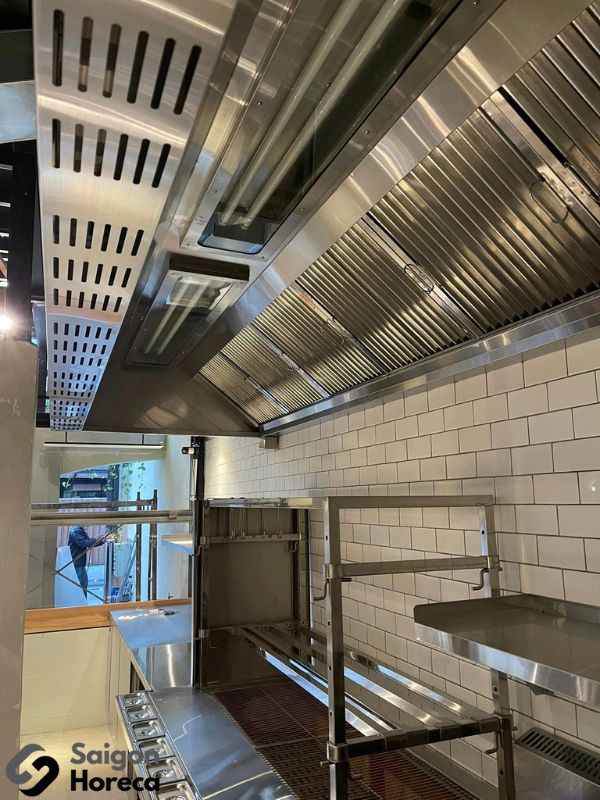
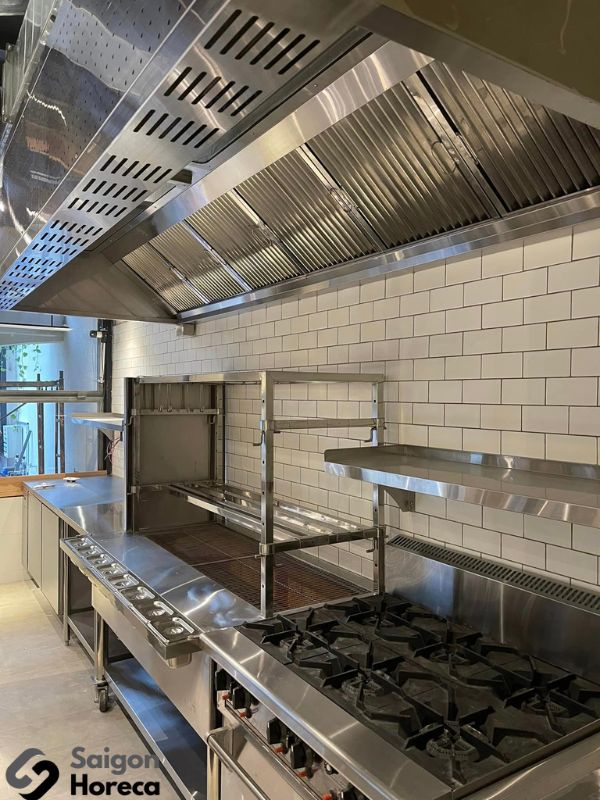
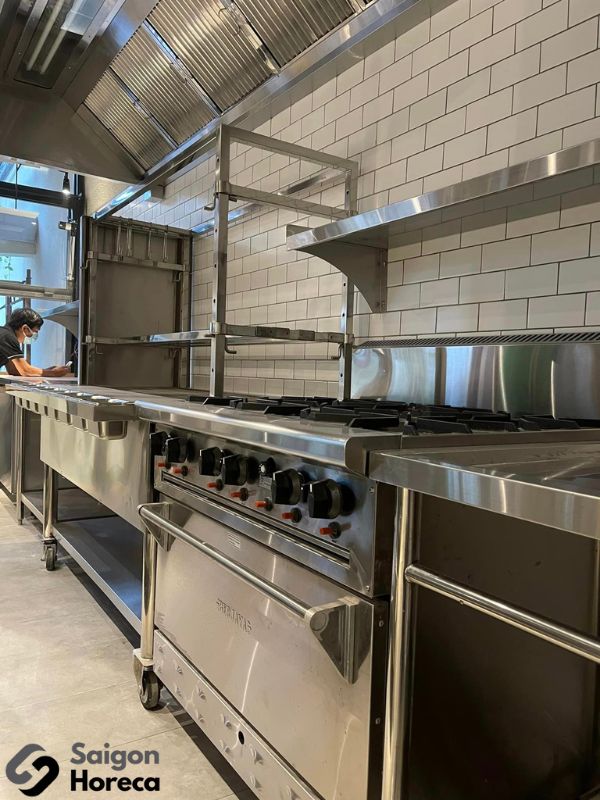
- Kitchen household appliances: Stainless steel 201 is often chosen to produce tableware products such as spoons, forks, dishes, trays, pots, pans and many other products. The food safety and basic corrosion resistance of Grade 201 Stainless Steel make it suitable for food contact and high temperature cooking.
- Interior decoration: With lower corrosion resistance than other types of stainless steel, Stainless Steel 201 is often used for interior decoration rather than exterior. It is used to make decorative products, doors, sinks and many household items.
- Industrial applications: Stainless steel 201 is also widely used in various industries, including automobile and trailer manufacturing, stainless steel sink manufacturing, kitchen accessories, and auto and motorbike parts manufacturing. It is also used in the production of medical equipment and products related to food safety.
With lower corrosion resistance than some high-end stainless steels, 201 stainless steel is often preferred in applications where exposure to environments is not too harsh. Limiting exposure to harsh conditions helps Stainless Steel 201 maintain its beauty and durability longer, especially in interior environments.
Distinguish between stainless steel 201 and stainless steel 304
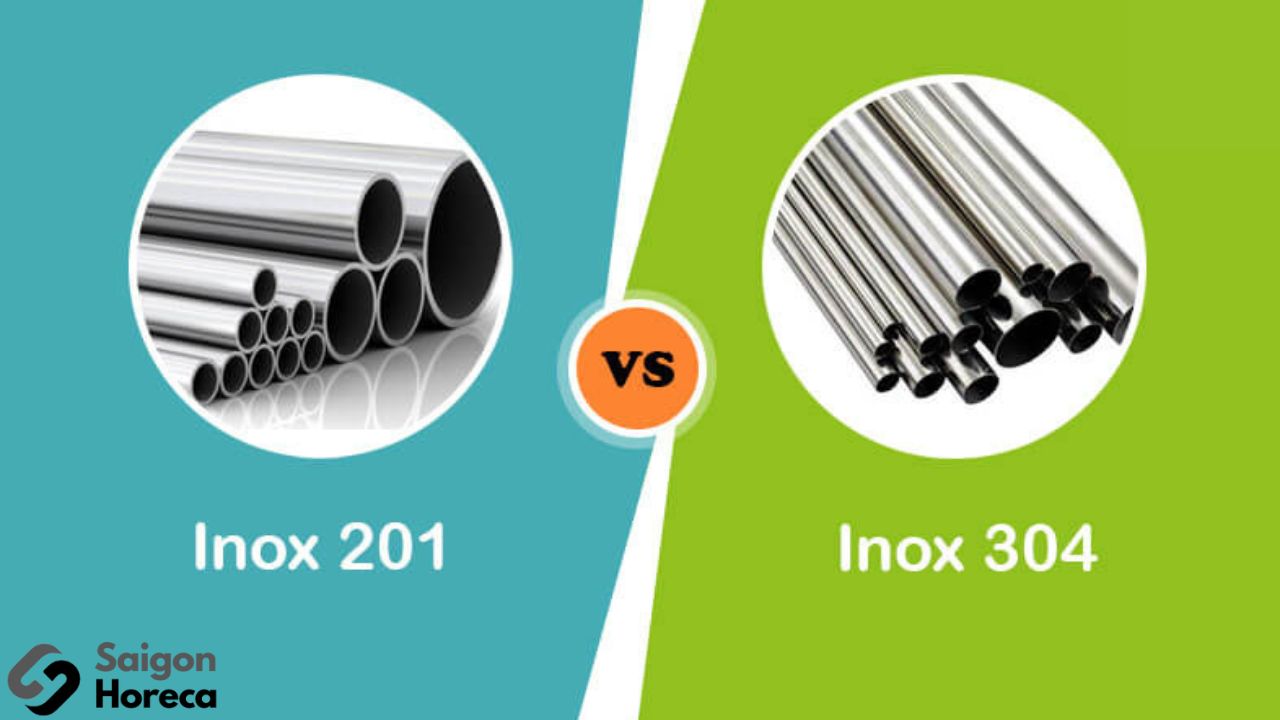
Distinguishing between Stainless Steel 201 and Stainless Steel 304 can be done in many different ways. One of the common methods is to check the surface of the product. Stainless steel 304 often has a brighter glossy surface and more mirror luster than 201 stainless steel, while 201 stainless steel can have a smooth surface but is not as shiny.
Another way to differentiate is to use specialized reagents for steel. When applying this reagent, Stainless Steel 201 usually produces a reddish-brown reaction, while Stainless Steel 304 usually produces a blue or colorless reaction.
In addition, you can also check from the chemical composition. By testing the content of elements such as chromium, nickel, manganese and nitrogen, you can determine whether the sample is Stainless Steel 201 or Stainless Steel 304.
Depending on the specific purpose of use and available resources, you can choose the appropriate differentiation method. However, checking the chemical composition is the most accurate method and does not depend on the sharpness of the operator’s eyes.
>> To better understand the technical advantages and realize the importance of Stainless Steel 304 in ensuring durability and quality for your projects. Read now to discover the world of strength and diversity in applications of Stainless Steel 304: Stainless Steel 304 – Durability and Diverse Applications of Stainless Steel.
 Facebook
 Zalo
Zalo