Certification HACCP: What is HACCP? 7 Standards and implementation of HACCP system
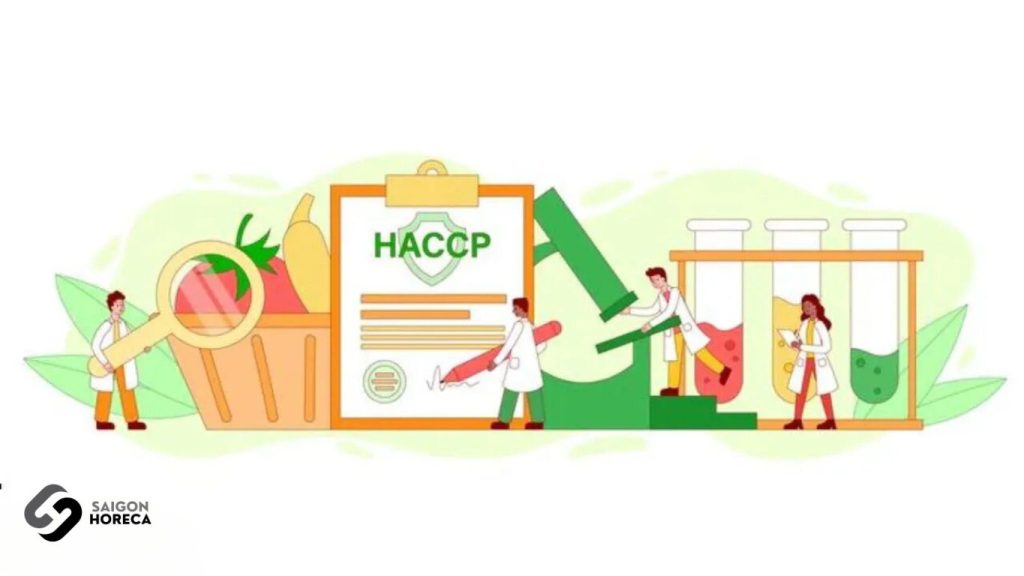
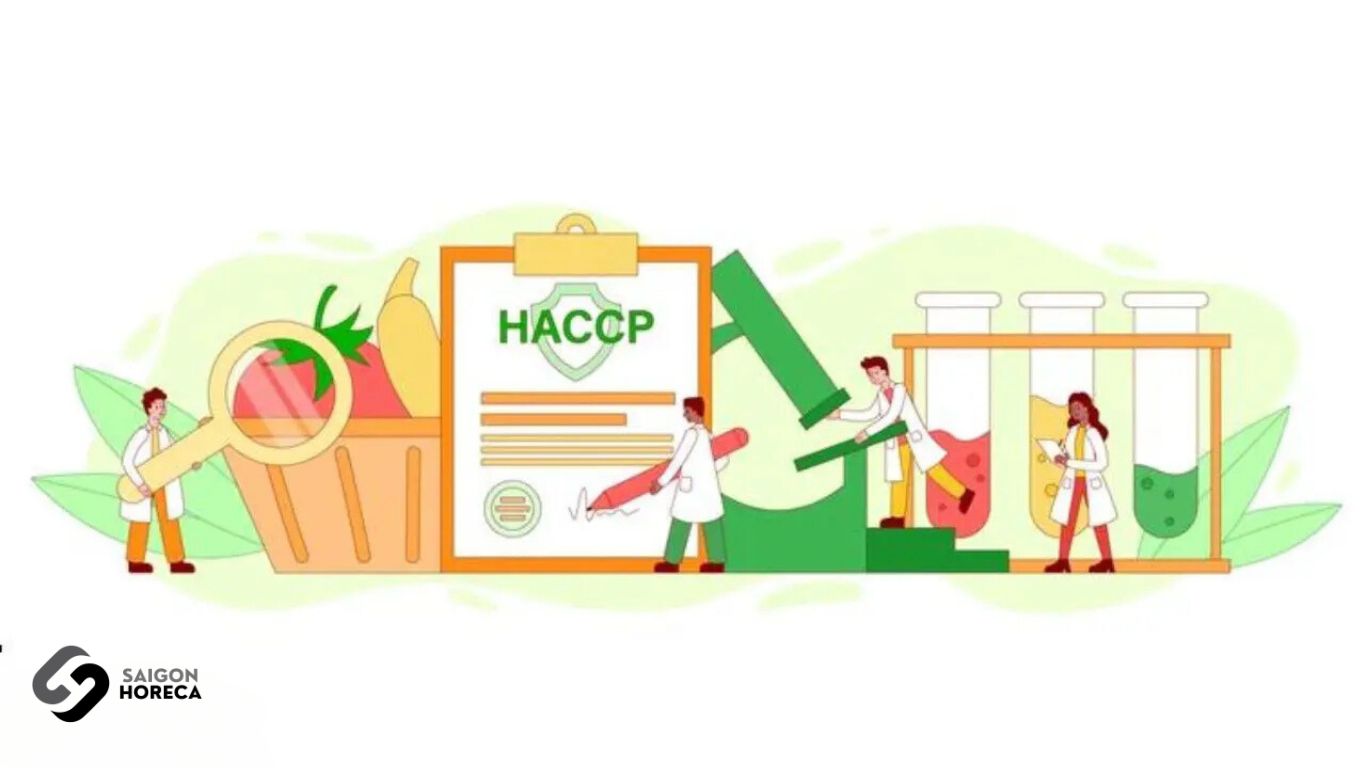
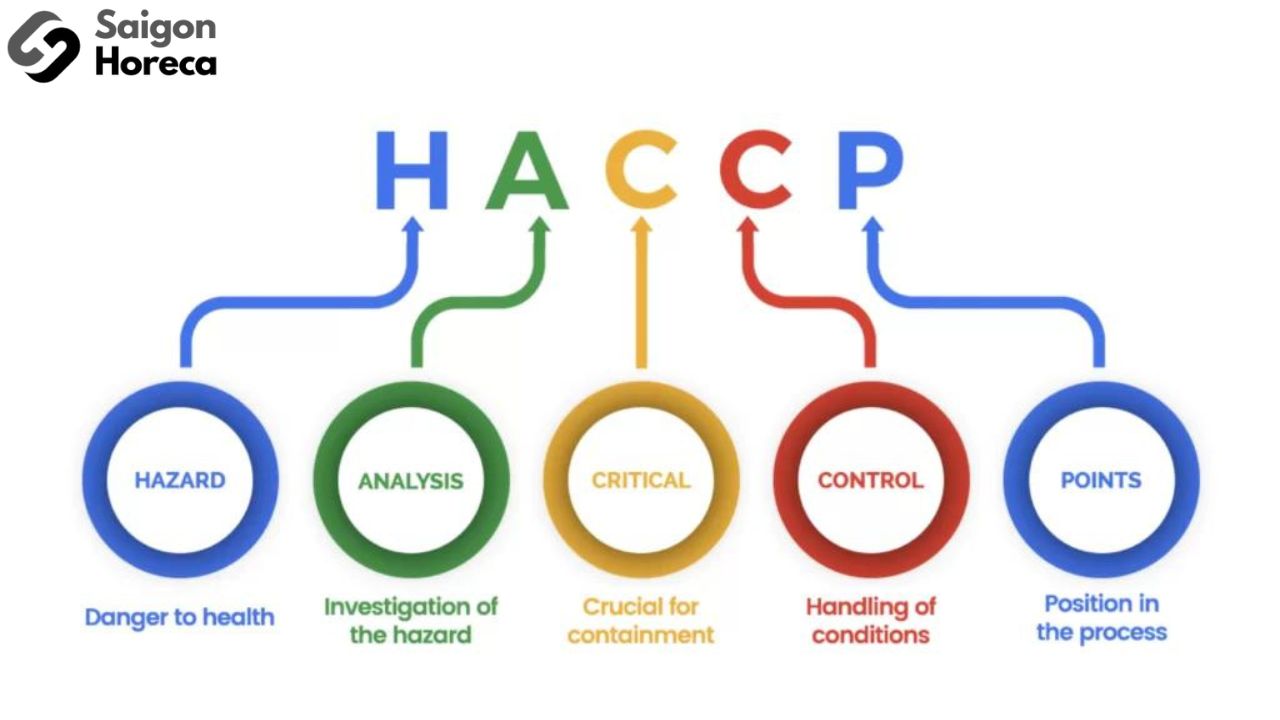
HACCP system, short for “Hazard Analysis and Critical Control Points,” is a special food safety management system widely applied in the food industry and is especially important in ensuring food safety for consumers. HACCP certification has become an important element for businesses in the food industry to demonstrate their commitment to providing safe and quality products.
In this article, we will give you an overview of the HACCP system, including its definition, goals, standards, and implementation process. We’ll dive into the key aspects of this system, helping you better understand how it works and why it plays an important role in protecting consumers’ health and building trust in the foods they consume every day.
What is a HACCP system?
Definition
HACCP, which stands for “Hazard Analysis and Critical Control Point System,” is well-known as a powerful tool in ensuring food safety. More than simply a final product control process, HACCP is a complex system that helps food businesses systematically and scientifically identify and handle food-related risks.
Food safety and hygiene is not only a legal responsibility but also an ethical commitment for food businesses. HACCP helps them identify potential hazards from biological, chemical and physical factors in the food production process and place them under a strict control system. HACCP not only checks the final product but also aims to prevent risks in the first place. Instead of responding only after a problem occurs, this system ensures that harmful agents do not have a chance to cause food poisoning.
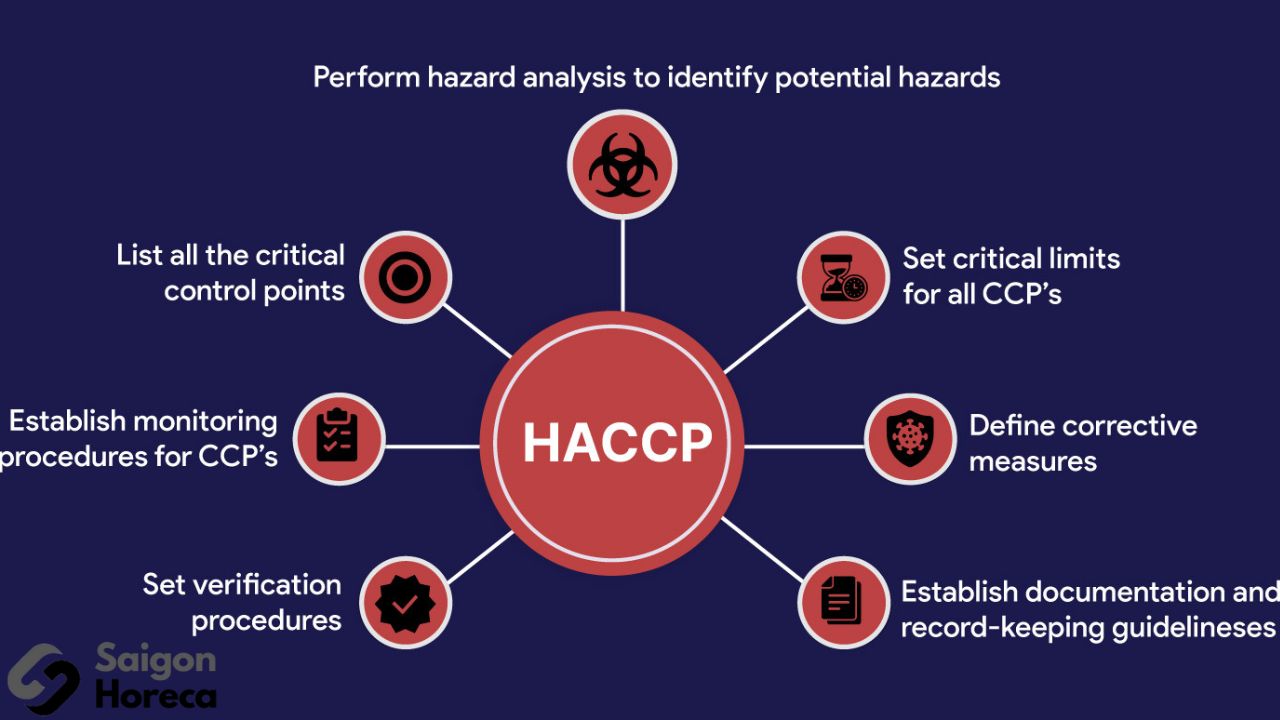
The HACCP system can also be integrated with other management systems, such as ISO 22000 Food Safety Management, creating a strong protection net for food safety and consumer health. The HACCP system includes seven basic steps, but can be customized according to the specifics of each industry, menu, customer requirements and specific production tools and processes. It is this flexibility that makes HACCP suitable for every specific situation.
Next, let’s explore the 7 HACCP standards for restaurants with Saigon Horeca!
7 HACCP system standards for restaurants
Important Foundations in the HACCP System
When building a HACCP system process for a restaurant, analyzing hazards is an important first step. By creating a hazard control metric, we have the ability to assess the risks that may be present in the food processing process, especially when working with TCS* foods.
Processes that need to be considered during food preparation include:
- Prepare foods without using heat, such as salads, fruit, and deli meats.
- Prepare cooked foods, such as grilled meat or ready-to-eat foods.
- Red peppers, soups, and sauces are prepared in advance, cooked, refrigerated, and reheated before serving.
- Foods such as potato salad and coleslaw are prepared and stored.
During the assessment process, you need to identify chemical, biological and physical hazards that may occur. A practical example is that chicken is often prepared, grilled and sold the same day. Potential hazards often include biological agents, such as bacteria, especially when chicken is not thoroughly cooked. This pushes us to be concerned about food safety and the need to carefully control our attitude towards working with food.
*TCS: Food in the form of TCS (Time/Temperature Control for Safety) refers to food that needs to be controlled in terms of time and temperature to ensure food safety and hygiene.
Determining Decision Control Points (CCP) – Another Foundation of HACCP Compliance for Restaurants
When you comply with the HACCP Standard in a restaurant environment, determining how to deal with potential hazards is an important step and cannot be overlooked. This requires you to find specific processes and decision points – called critical control points (CCPs) – to control and minimize food safety risks. CCP is a critical step where control must be implemented to ensure food safety.
Critical control points often include critical stages during food processing and service, including:
- Receiving Food From Suppliers: The process of receiving food from the supplier requires checking and ensuring the quality and safety of ingredients.
- Storing Food Before Processing: sStoring food before processing requires ensuring that the temperature and storage conditions are safe.
- Food Handling and Preparation: Food handling and preparation must be done with care to prevent cross-contamination.
- Keep Food Cold and Warm: Maintaining safe food temperatures during storage and transportation is important.
- Cooking and Heating Food: The process of cooking and reheating food needs to follow temperature and time standards to ensure safety.
- Transferring Prepared Food to Another Area: During the process of moving food from the kitchen to the serving area, control is necessary to ensure safety and hygiene.
- Keep Food Hot and Cold During Service: Maintaining a safe temperature for food during service is an important decision.
Concrete example: When you cook chicken breasts, this can be considered a critical control point (CCP) because the cooking process helps eliminate or reduce bacteria to a level that is safe for diners. This is where risk control is extremely important to ensure food safety.



Critical Control Point (CCP) – An Important Pillar in Restaurant HACCP Compliance
To build an effective HACCP system in a restaurant environment, determining critical control points (CCPs) plays an important role. CCPs are points in the food processing process where control needs to be exercised to ensure food safety. They help prevent, eliminate, or reduce potential hazards.
Examples of CCP include:
- The process of receiving food from the source: It is necessary to check the quality and safety of ingredients from the moment they enter the restaurant.
- Food storage process before preparation: Ensure safe temperatures and storage conditions to prevent the growth of harmful bacteria.
- Food handling and preparation: Food hygiene rules must be followed to prevent cross-contamination.
- Cooking and reheating food: This requires observing cooking temperatures and times to ensure food is cooked to a safe level.
- Transfer processed food to another area: This needs to be controlled to ensure safety and hygiene during food transportation.
- Keep food hot and cold during service: Maintain safe food temperatures throughout service to ensure consumer safety.
For example, cooking chicken breasts is an important CCP because it eliminates or reduces the risk of harmful bacteria. Control at these CCPs plays a decisive role in ensuring food safety at restaurants.
Monitor and Adjust Control Limits
An equally important part of the HACCP System is monitoring and adjusting set control limits. This requires the active participation of those responsible for overseeing food processing. Assign a supervisor and set a frequency for checking these limits. This includes:
- Adjust the control project if any deviations or deviant or recurring trends are detected.
- Detect any deviations promptly and take corrective measures immediately.
- Record information about the HACCP process for use when necessary.
Concrete example: To illustrate, think about monitoring the temperature of a cooking chicken breast with a probe thermometer. Using a cleaned and sterile thermometer probe, pierce the center of the thickest part of the chicken breast. Each piece of chicken must be cooked for 15 seconds when the center temperature of the meat reaches at least 74 degrees Celsius.
Corrective Action When Limits Do Not Meet Food Safety Standards
If a limit does not meet the standard, this is considered a deviation. In this case, employees need to know how to fix errors. This includes:
- Clearly determine the cause of the error.
- Implement corrective procedures if possible.
- Record the procedures to fix this error.
Specific example: An example is that after checking the temperature, the chicken breast did not reach the required temperature even though it was cooked for the required time. In this case, additional cooking of the chicken breast is done to ensure the center temperature reaches 74 degrees Celsius in 15 seconds. This extra cooking time is recorded.
Establish an Effective HACCP Document Storage Process
Regularly reviewing and updating HACCP system standards is important to ensure process effectiveness. Use all records, documents, and tracking charts to get an overview of the process and ensure its effectiveness. This raises an important question: has the HACCP plan been successful in preventing, reducing, or eliminating food hazards?
Concrete example: In this step, a manager can review the chart after each shift, checking that the chicken breast temperature limit has been reached each time the dish is cooked. From monitoring temperature charts, managers can determine employee action trends and can adjust the entire process.
Recording accurate information is an important factor in helping operations against food hazards become more organized and effective. Developing a reliable HACCP documentation process is the final step in implementing the HACCP process. This requires developing storage procedures, assigning supervisors, and setting clear rules about how long information will be initially stored, as well as the update process.
Some important documents that need to be stored include:
- List of members of the HACCP implementation team and each person’s duties.
- A brief description of the foods participating in the HACCP process.
- Diagram of food processing process with annotation of limit points.
- Details of hazards at limit points and corresponding precautions.
- Critical limits.
- Monitoring systems, such as temperature logs.
- Take notes on how to fix errors.
- HACCP record keeping process.
- Supplier information, including commercial invoices for shipping and other specific information.
Specific example: Temperature monitoring charts, error correction records and commercial invoices for chicken processing are stored for 6 months. Other specific information about the grill and its warranty are stored for about one year. If any problems arise, this information can be used to support and re-verify the HACCP process. This ensures transparency and the ability to effectively review the process.
Procedures for applying for a food hygiene and safety certificate meeting HACCP system standards
Saigon Horeca will guide you through the important steps to apply for a food hygiene and safety certificate meeting HACCP system standards. HACCP certification is not only an important factor in ensuring the safety of the food you produce or supply, but also a commitment to quality and safety compliance. Let’s start with the first step in this process: contact and exchange information with the certification agency.s
Step 1: Contact and Exchange Information with the Food Safety Department
Before starting the process of applying for a HACCP food hygiene and safety certificate, contact and information exchange between businesses and the Food Safety Department is the first important step. During this meeting, the main information that needs to be agreed upon includes:
- Specific steps in the HACCP Certificate issuance process.
- Basic requirements and applicable standards.
- Costs and fees related to the certification process.
- HACCP implementation schedule and plan.
Step 2: Prepare HACCP Preliminary Assessment Documents
Enterprises will send HACCP registration documents to the certification agency. This application includes the following documents and papers:
- Application for HACCP certification.
- HACCP implementation plan.
- Documents and records related to the application of HACCP standards.
Experts from the Food Safety Department will conduct a practical assessment of the HACCP standard documents. This is aimed at identifying weaknesses in the documentation and application of the HACCP system at the enterprise. At the same time, this process also helps businesses develop Good Manufacturing Practices (GMP – Good Manufacturing Practice).
Step 3: Sign HACCP Certification Contract
After preliminary evaluation of the dossier, the enterprise and the Food Safety Department will sign a HACCP certification contract. This officially begins the testing and evaluation process.
Step 4: Provide HACCP Records and Documents
Enterprises will provide the certification agency with records and documents related to HACCP.
Step 5: Formal Review of HACCP Documents
All documents and materials related to HACCP, including HACCP manuals, will be evaluated for conformity of the HACCP standard system with relevant regulations and standards.
After formally reviewing and evaluating the document, the review expert will prepare an evaluation report on the document and send a copy to the business.
After receiving this report, the enterprise will conduct a review and make repairs if necessary.
Step 6: Make a Test Plan
The enterprise and the assessment team will make a plan for field inspection and verification. This plan must be agreed upon by both parties.
Step 7: Field Inspection and Appraisal
The evaluation team will conduct field inspection and appraisal, assessing the conformity of the submitted dossier with reality. At the same time, the inspection team will also recommend correcting inappropriate points.
Step 8: Receive HACCP Certificate
If all documents are consistent with reality and the non-conformities have been corrected, the business will be granted a HACCP certificate valid for 3 years.
Step 9: Maintain Certification and Apply for Recertification
During the validity period of the HACCP certificate, businesses must perform periodic monitoring to ensure compliance with HACCP standards. If non-conformities are detected and the business does not fix them promptly, the HACCP certification may be revoked.

Important terms in the standard
In the process of implementing and complying with the HACCP system process, understanding specialized terminology is extremely important. Below, we will learn some important terms that you need to master:
- GMP (Good Manufacturing Practices)Is a system of instructions on how to properly produce and process food. GMP applies to food manufacturing and processing facilities and includes managing every aspect of the production process to ensure product quality and food safety.
- Biological contamination: Refers to pathogens in food, including bacteria, viruses, pollen and other living organisms capable of causing disease.
- Chemical contamination: Refers to materials not commonly found in food such as acrylamide, benzene, dioxin, melamine, which are potentially harmful if consumed.
- Error correction: A process that must be performed when a critical control point is not reached or exceeds a safety limit. The goal is to eliminate the hazard or reduce it to a safe level.
- Hazards: These are agents that are dangerous to food, including biological, chemical or physical contaminants that have the potential to cause injury or illness if not well controlled.
- Monitoring: Use observation and measurement systems to monitor critical control points. This ensures that limits are maintained and well controlled. Information collected from monitoring may be recorded for archival and reference purposes.
- Physical contamination: Refers to the loss or presence of foreign objects in food, such as bone fragments, rubber bands, hair, and other objects that can cause injury or illness.
- TCS foods (Time/Temperature Control for Safety): These are foods that require careful control of time and temperature to ensure consumer safety.
>> See more: 10 principles of food hygiene and safety for commercial kitchen systems.
 Facebook
 Zalo
Zalo