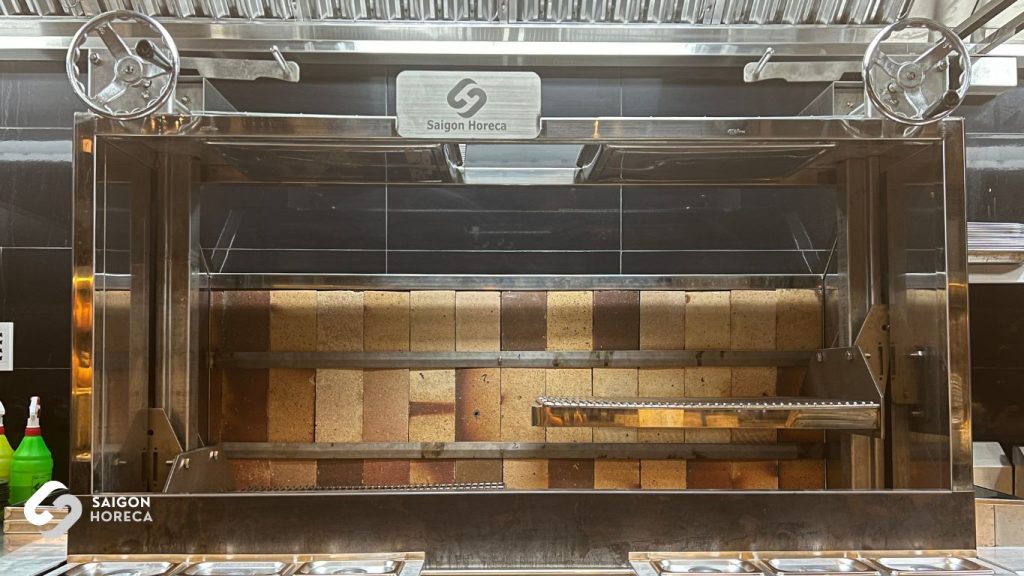
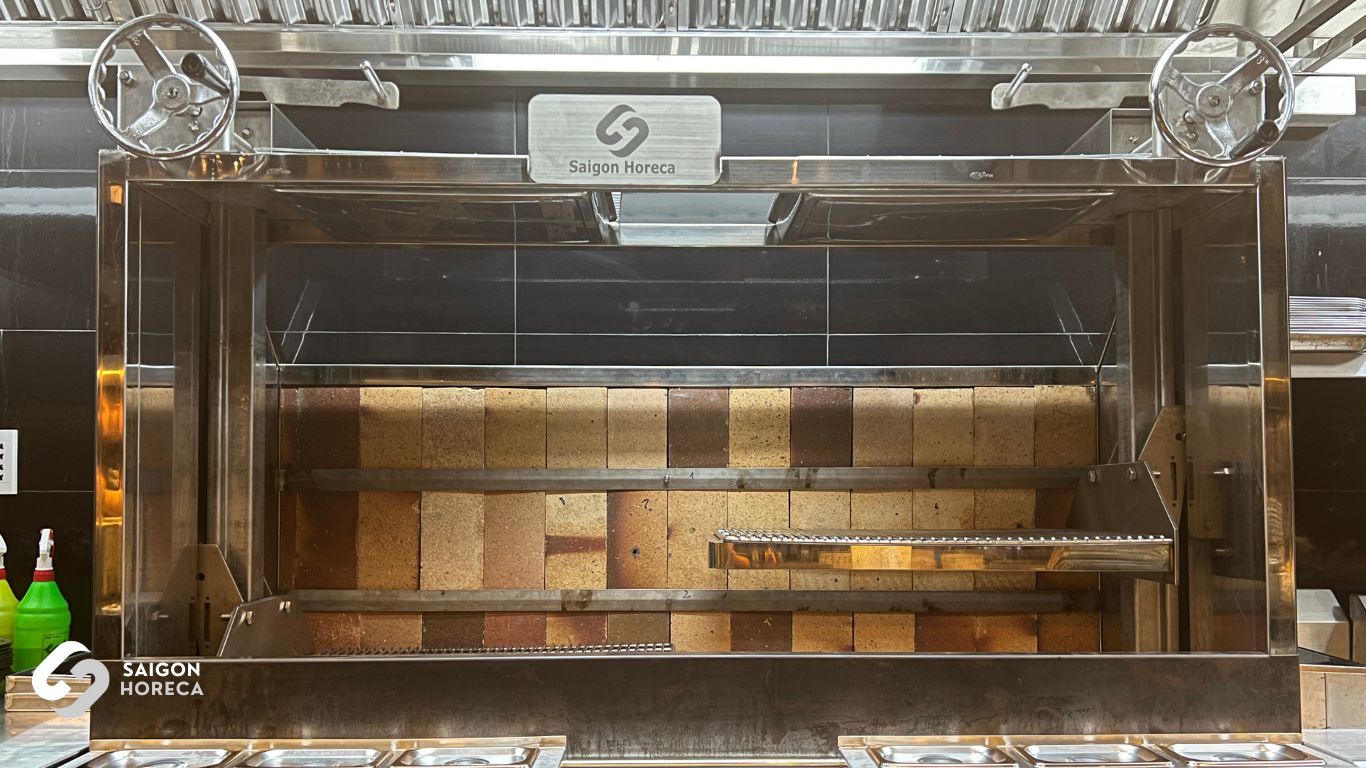
Industrial smoke exhaust pipes Industry: Important roles and things to keep in mind when installing
Smoke and unpleasant food odors from the grill not only affect the health of customers and employees but also reduce the air quality in your restaurant. So how to solve this problem? The answer lies in industrial smoke exhaust system. With a modern smoke extraction system, your restaurant space will always be airy and clean, bringing a great culinary experience to customers. Let’s learn about the benefits this device brings and what to keep in mind when installing.
The effect of smoke exhaust pipes in commercial kitchen and restaurant smoke extraction systems
commercial kitchen is a high-intensity cooking environment, producing a lot of dust, grease and food odors. These factors not only increase room temperature, causing oxygen deficiency, but also create a hot and uncomfortable environment. If this situation persists, it will seriously affect employee health and customer experience. To ensure a fresh and cool working space, restaurants should install a smoke exhaust system.
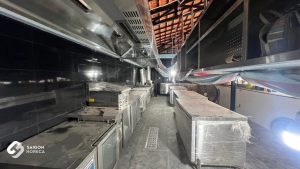
Industrial exhaust pipes are responsible for guiding hot air, dust, and food odors out of the cooking area. When the stoves operate, the amount of CO2, N2, CO and the smell of grease released will be quickly sucked into the chimney. Through the pre-installed chimney system on the roof, this gas will be sent outside, ensuring the kitchen space is always ventilated.
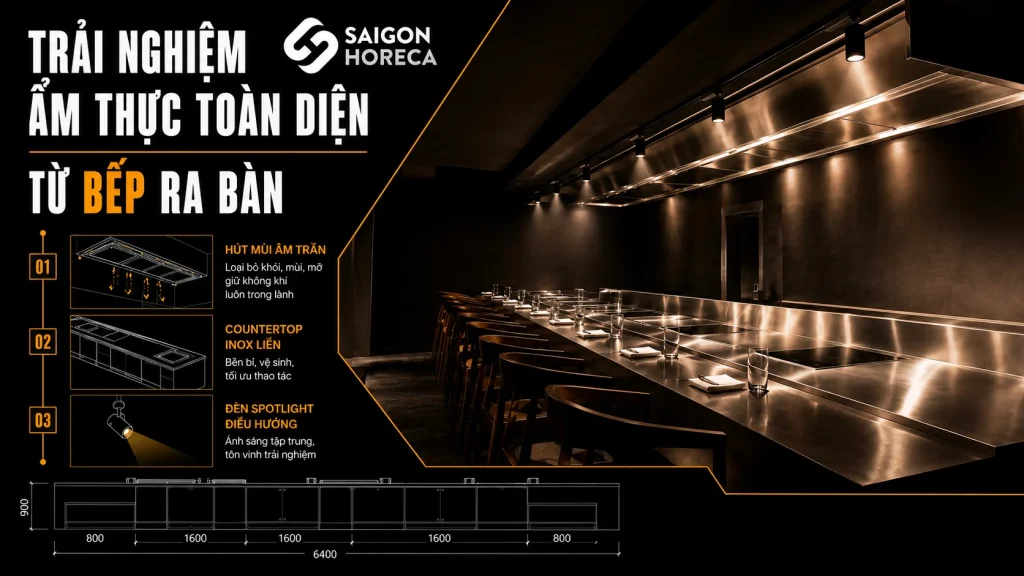
To increase air filtration efficiency, investors often combine smoke exhaust pipes with hoods and ventilation fans. Thanks to that, the air in the kitchen will be continuously conditioned, fresh air will flow into the kitchen space, providing enough oxygen for employees. In addition, this system also helps reduce room temperature, reduce the risk of fire and explosion and limit the smell of grease and food sticking to employees’ clothes.
Installing a smoke exhaust system not only helps protect the health of employees but also creates a comfortable, safe working environment and improves service quality for customers. A clean, airy kitchen space will contribute to enhancing the reputation and image of the restaurant in the eyes of diners.
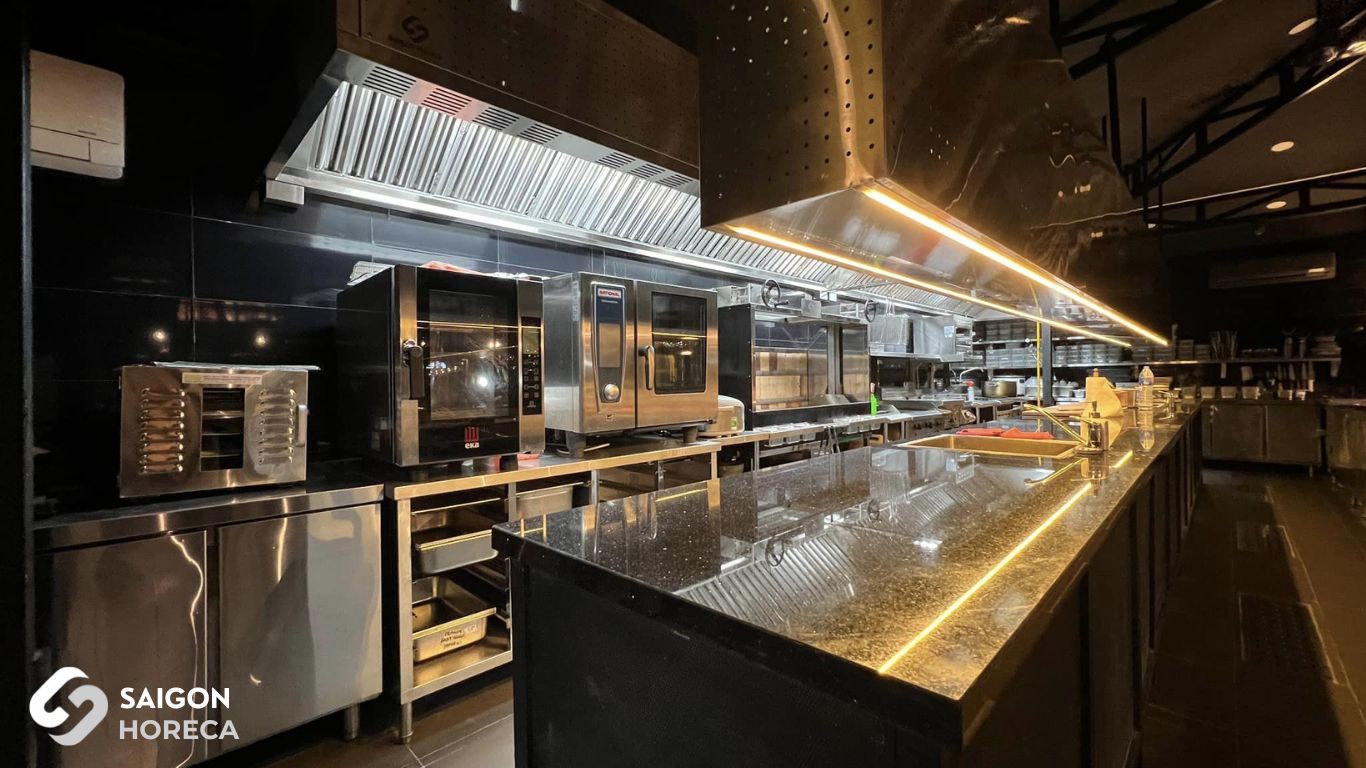
Types of smoke pipes commonly used today
There are many types of smoke extractors used in smoke extraction systems for restaurants and other industrial cooking environments. Below is a classification of popular chimney types today:
Classification of industrial smoke pipes by material
1. Galvanized iron chimney
Industrial smoke pipes made from galvanized steel have good corrosion resistance, especially in cooking environments where there is a lot of exposure to steam and chemical compounds that can cause corrosion. Compared to chimneys made of stainless steel or other heat-resistant materials, galvanized chimneys have a lower cost. However, they still ensure good hardness and durability, helping to maintain their original shape and structure during use.
Advantages:
- Corrosion resistance: Galvanized corrugated iron chimneys can withstand humid environments and chemical compounds, minimizing the risk of corrosion.
- Low cost: Compared to other types of smoke pipes such as stainless steel, galvanized steel sheets are cheaper, helping to save investment costs.
- Hardness and durability: Despite its low cost, galvanized corrugated iron chimneys still retain the hardness and durability necessary for long-term use.
Limitations:
- Poor heat resistance: Galvanized iron smoke pipes are not suitable for use in BBQ grills or cooking with large heat sources because of their limited heat resistance.
- Inferior smoke and heat absorption: Compared to other types of smoke exhaust pipes, the smoke and heat absorption efficiency of galvanized steel pipes is lower.
- Limited lifespan: Galvanized chimneys can be affected by environment and temperature, leading to a reduced lifespan compared to other types of chimneys.
Galvanized corrugated iron smoke pipes are an economical and effective choice for cooking environments that do not require high heat resistance. However, to ensure safety and optimal smoke extraction performance, investors need to carefully consider the usage conditions and actual needs of the restaurant or commercial kitchen.
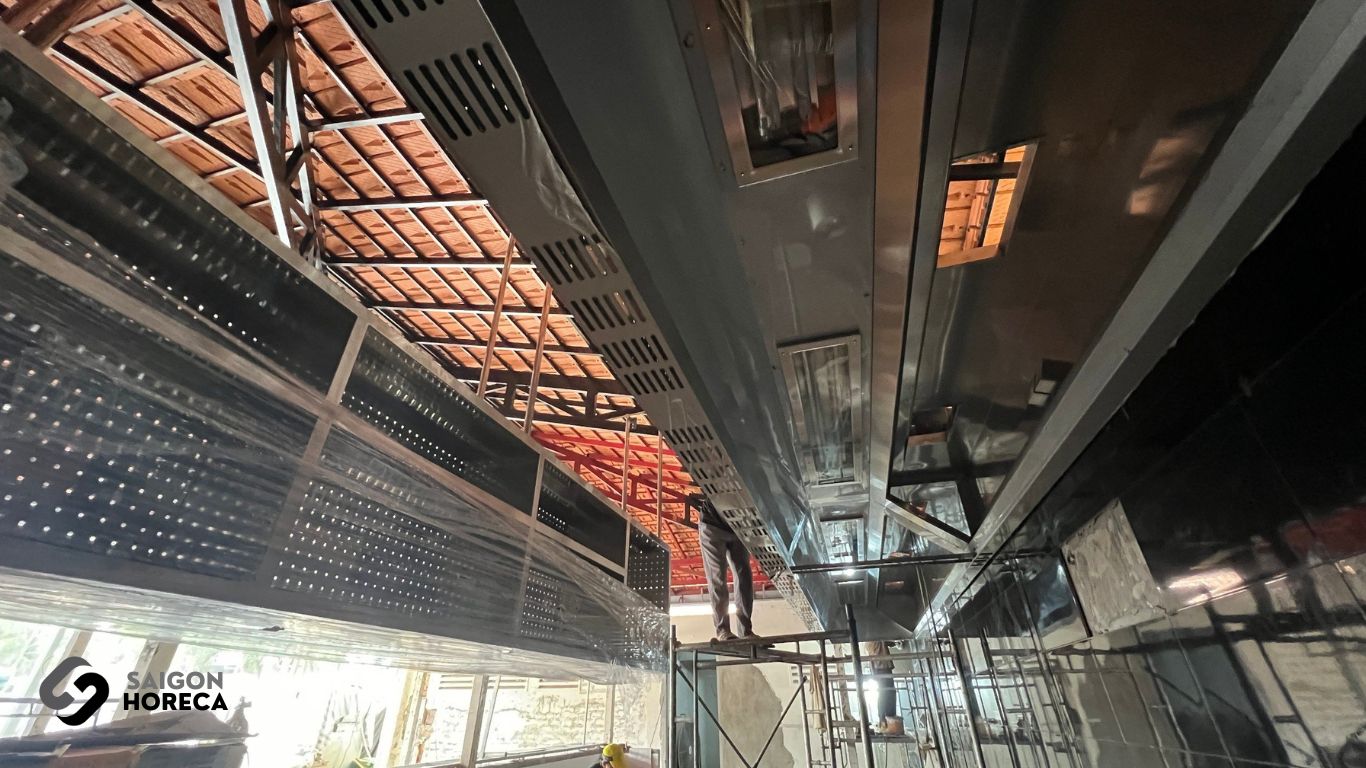
2. Industrial smoke pipes made from stainless steel
Stainless steel smoke pipes are a popular and ideal choice in many industrial cooking applications, including restaurants and grills. With high heat resistance, stainless steel smoke pipes do not deform or affect their structure under the influence of temperature. Effective anti-corrosion ability makes it easy to clean and remove stains and grease on the surface.
Advantages:
- Heat resistance: Stainless steel smoke pipes can withstand high temperatures without deformation, suitable for cooking environments with large heat sources.
- Corrosion resistance: Stainless steel has effective corrosion resistance, helping to maintain durability and aesthetics in humid and greasy environments.
- Easy to clean: Smooth stainless steel surface makes it easy to clean and remove stains and grease, keeping the kitchen space clean.
- Long lifespan: With outstanding durability, stainless steel smoke pipes have a long life, helping the smoke extraction system to last a long time and rarely be damaged.
- High aesthetics: The modern, shiny appearance of stainless steel creates an aesthetic highlight for the cooking space, enhancing the restaurant’s professional image.
- Safety: Stainless steel is not flammable and does not pose a risk of fire or explosion, ensuring safety in the cooking environment.
Limitations:
- High cost: Compared to some other materials such as galvanized steel, smokestacks made from stainless steel have higher investment costs. However, with the benefits of durability, heat resistance and aesthetics, this is a worthy investment for commercial kitchens and high-end restaurants.
Stainless steel smoke pipes are a comprehensive solution for industrial smoke extraction systems, ensuring performance, safety and aesthetics. Investing in stainless steel smoke pipes not only brings long-term efficiency but also contributes to improving the quality of the cooking space, creating a good impression on customers and enhancing the reputation of the restaurant.
Classification of industrial smoke pipes according to shape
Industrial exhaust pipes are designed with many different shapes to suit each kitchen space and specific usage needs. Below are some popular types of smoke pipes by shape:
1. Round smoke pipe
Round smoke pipes are the most commonly used types of pipes in industrial smoke extraction systems. The round shape helps air and smoke circulate easily, minimizing clogging and optimizing smoke extraction performance.
- Round shape helps smoke and gas move smoothly, minimizing obstruction.
- Round pipe is easy to install and connect to other smoke extraction equipment.
- Round shape gives a clean and modern look to the smoke extraction system.
2. Square and rectangular smoke pipes
Square and rectangular exhaust pipes are often used in kitchen spaces that have a narrow area or need to save space. This shape is also suitable for flat surfaces and helps optimize usable area.
- Square and rectangular shapes help save space, suitable for narrow areas.
- Easy to install along the wall or ceiling without taking up much space.
- Larger surface area increases air capacity and circulation.
3. Soft straw
A flexible smoker is a flexible smoker that can be bent and adjusted to fit special applications or in cooking spaces with complex shapes. They are often used temporarily or when flexibility is needed in shaping the path for smoke and heat.
- Ability to bend and adjust easily, suitable for spaces with complex shapes.
- Can be used temporarily or in cases where it is necessary to shape the path for smoke and heat.
- Easy to install and adjust according to usage needs.
Limitations:
- Compared to hard pipes such as stainless steel or galvanized steel, soft straws have lower durability and may need to be replaced more often.
- The smoke absorption and heat resistance of soft straws is not as good as hard pipes, which are more suitable for temporary applications.
4. Twisted smoke pipe
The spiral chimney has a spiral or twisted shape, like a spring. The spiral design of the smoke tube creates a twisting effect in the smoke flow, helping to enhance smoke absorption and effectively shape the smoke flow.
- The twisted shape helps create centrifugal force, pushing smoke and gas out of the tube more effectively.
- The twisting effect helps shape the flow of smoke and heat, reducing clogging and optimizing air release.
- The twisted design helps circulate air and smoke better, enhancing the efficiency of the smoke extraction system.
Limitations:
- Spiral smoke pipes often have higher investment costs than other types of smoke pipes due to special design and manufacturing technology.
- The twisted shape can make cleaning and maintenance difficult, especially in areas with many kinks.
Choose the right exhaust pipe
Choosing the appropriate smoke hood shape depends on many factors such as kitchen space, desired smoke extraction performance and investment budget. Each type of smoke exhaust pipe has its own advantages, helping to improve air quality and working environment in commercial kitchens.
Characteristics when installing industrial smoke ducts
When installing industrial smoke ducts, it is necessary to note a number of important characteristics related to size and installation process to ensure the effectiveness and safety of the smoke extraction system.
About the size of the smoke duct
- Length and capacity: The size of the smoke duct needs to match the length of the smoke hood and the capacity of the exhaust fan motor. Make sure the smoke duct size can handle the amount of smoke and heat produced effectively.
- Duct shape: Although the shape of the smoke duct is usually a square box for easy installation and connection, in premises with difficult paths or many obstructions, the duct can be adjusted to a rectangular shape to fit the space.
- Size uniformity: In the same system, chimneys need to be uniform in size to ensure uniform smoke extraction efficiency. Avoid size differences in design, as this can affect the performance of the entire system.
About installation
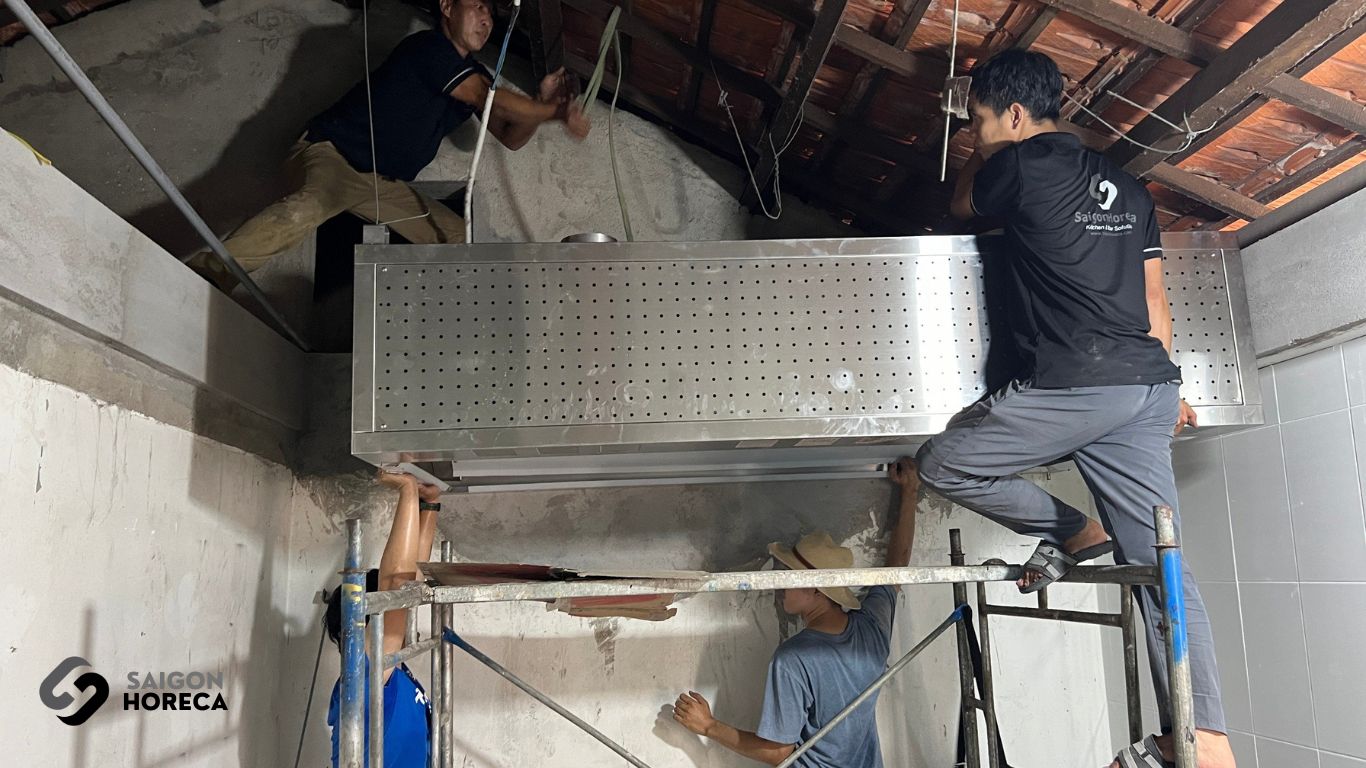
- Size of pipe sections: Smoke pipes are manufactured in sections, each section has a length of 1000 – 1200 mm. When installed, the pipe sections will be connected to match and firmly fixed with screws and silicon glue.
- Tube connection: Chimneys need to be precisely connected to each other to ensure there are no gaps, helping to keep smoke and heat from leaking out. Use screws and silicone glue to fix and ensure stable joints.
- Adjusting the path: In cases where the path of the chimney is difficult, a curved or inclined pipe can be used to suit the requirements of the installation space. This optimizes the path for smoke and heat, minimizing blockages and improving system performance.
Industrial smoke duct installation requires attention to detail in size and installation to ensure the system operates efficiently and safely. Ensuring uniform pipe size, correct connection and proper path adjustment will help improve the performance and durability of the smoke extraction system.
Some notes when making industrial smoke pipes
When installing industrial smoke ducts, a number of important factors should be kept in mind to ensure the performance, safety and effectiveness of the smoke extraction system. Below are some design standards and important notes when making industrial smoke pipes:
1. Installation location of industrial smoke exhaust pipes
Choose a location to install the smoke duct so that it can absorb all smoke and food odors from all sources in the cooking area. Make sure the pipes do not overlap or obstruct cooking activities, while ensuring aesthetics and ease of maintenance.
Make sure that the installation location does not hinder the operation of other appliances in the kitchen and does not reduce the effectiveness of the smoke extraction system.
2. Maximum number of pipe bends
Each kink in the smoke exhaust pipe can reduce smoke extraction efficiency because it creates resistance for the smoke flow to move. Minimize the number of bends to ensure the smoke flow moves smoothly and without obstruction.
Prioritize the design of straight pipe sections and limit bends to optimize smoke absorption. This helps improve the working efficiency of the smoke extraction system.
3. Smoke exhaust pipe size
The length of the smoke pipe directly affects the ability to absorb smoke and food odor. Pipe sections that are short, straight and have few kinks often have higher smoke absorption efficiency.
When designing, calculate the shortest pipe length possible to ensure maximum smoke extraction efficiency and minimize the possibility of blockage.
4. Choose the appropriate tube type
Choose a smoke exhaust pipe made from a material suitable for the working environment, temperature and required heat resistance. Pipes are often made from stainless steel or have an electrostatic coating on the outside because they have good oxidation and heat resistance.
Ensure that the pipe material is durable, resistant to corrosion and easy to clean. This helps increase the lifespan of the smoke extraction system and reduce maintenance costs.
When installing industrial smoke ducts, compliance with design standards and attention to location, number of bends, pipe size and material is very important to ensure the system operates effectively and safely. A correct design and installation will help improve smoke extraction efficiency, improve air quality in the kitchen and protect employee health.
Successful Projects of Saigon Horeca
 Facebook
 Zalo
Zalo