International standards in restaurant kitchen design: What investors need to know
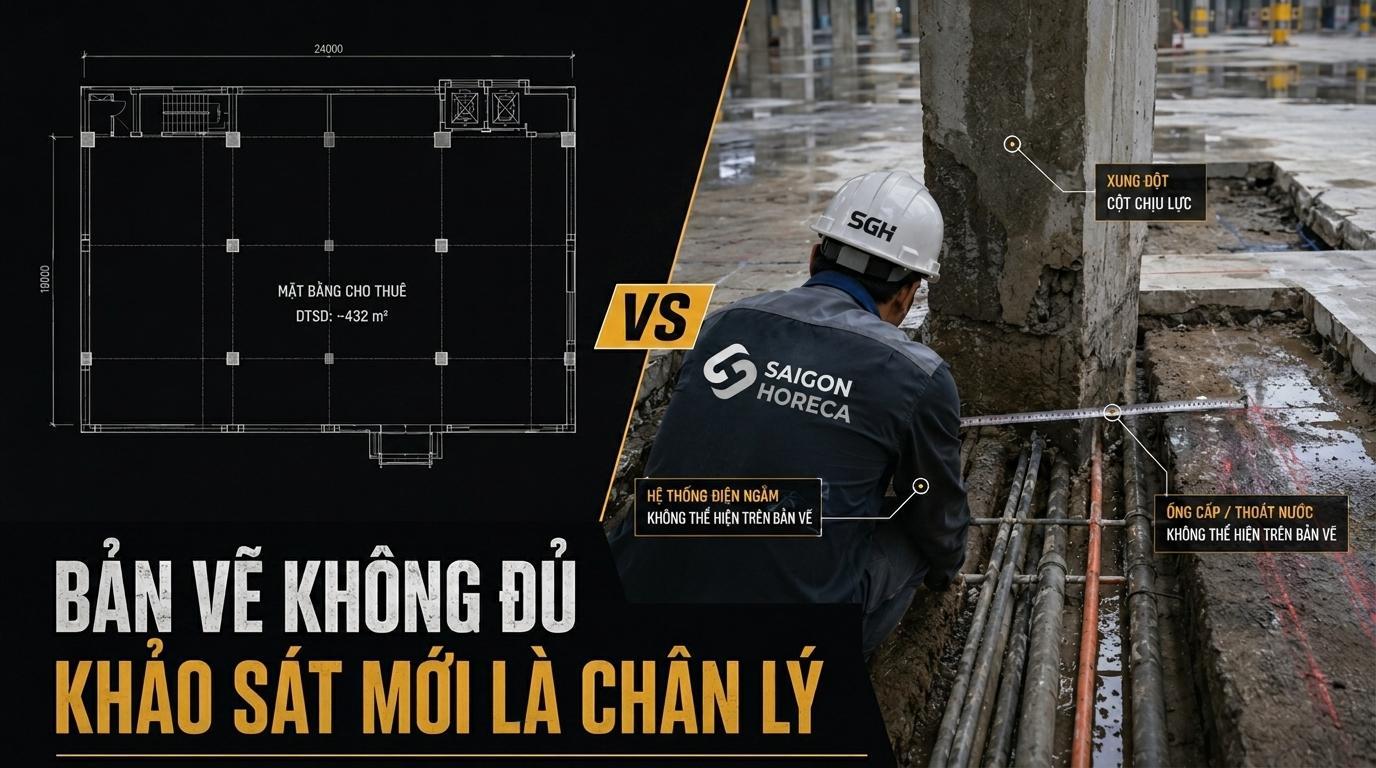
In Vietnam, many restaurant and hotel kitchen projects, after completing construction, still have to spend more time and money to renovate, because they do not meet the requirements of fire prevention and fighting, food safety or actual operation. This situation comes from the fact that many units still design their kitchens based on the experience of the chef or architect, instead of following a unified set of standards.
Many projects are forced to renovate the entire smoke extraction system and processing area. Costs incurred were 30% more than the original budget, extending the schedule by three months. The above story is not rare. However, all drawings must be compared with a clear set of standards: HACCP for food safety, NFPA 96 for smoke extraction and fire prevention, or ISO 22000 for hygiene management.
So, what do international standards in restaurant kitchen design actually stipulate? What benefits – or risks – will investors benefit from ignoring them? This article will point out the key points that anyone preparing to invest in a restaurant kitchen needs to understand.
International standards are more than just documents
Many investors often think of “international standards” as a thick set of documents only used when applying for certification. But in reality, these standards are built from decades of research, testing and summarizing accidents, incidents and risks in the global F&B industry. They are not theoretical, but the safe operations manual for every restaurant.
The three most important groups of standards often applied in industrial kitchen design are:
1. HACCP (Hazard Analysis and Critical Control Points)
This is a food safety management system being applied in most international restaurants and hotels. The core point: identify “critical control points” in the processing process (from importing – pre-processing – cooking – preserving).
Practical application in Vietnam: arrange separate processing areas for raw meat and vegetables, one-way flow from warehousing → preparation → cooking → serving, minimizing cross-contamination.
2. NFPA 96 (National Fire Protection Association – USA)
Focus on design and operation of smoke extraction, air supply and fire prevention systems for kitchens.
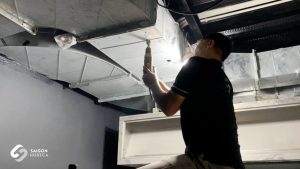
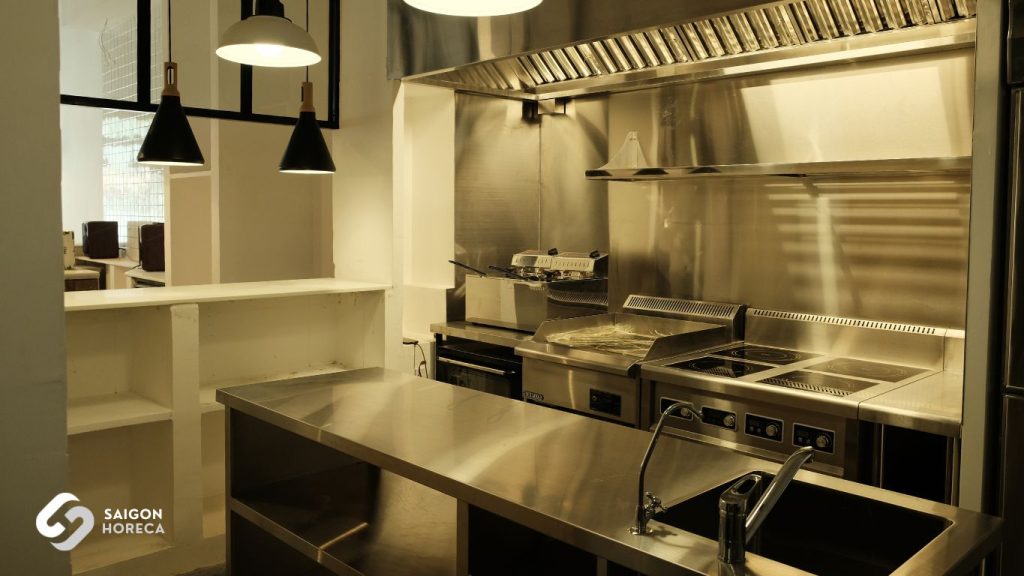
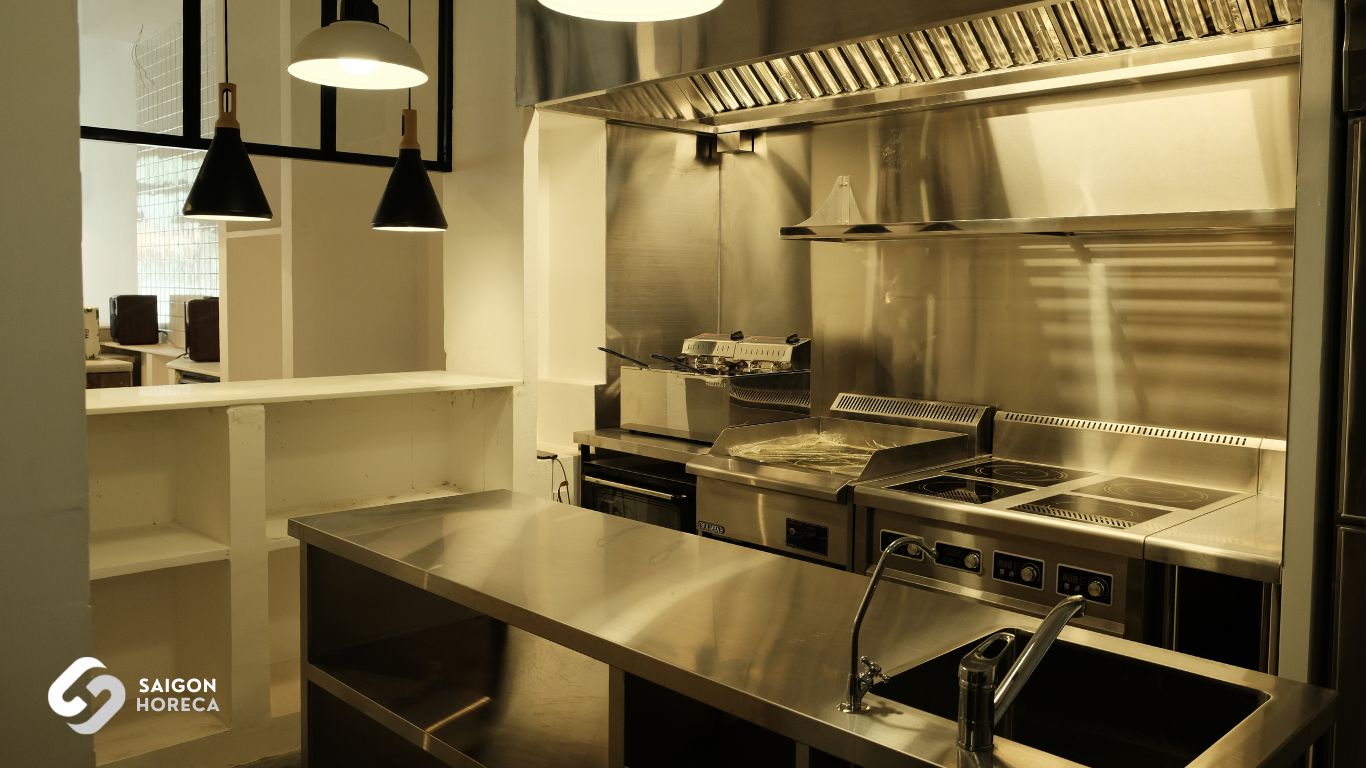
Important requirements: the chimney system must have a slope to avoid grease accumulation, fire sprinklers integrated in the hood, and a minimum safe distance between the stove and flammable materials.
Practical application: in many commercial centers in Ho Chi Minh City, fire protection acceptance requirements are increasingly strict, referencing NFPA 96 helps design documents be approved faster, reducing the risk of renovation.
3. ISO 22000 (Food safety management system)
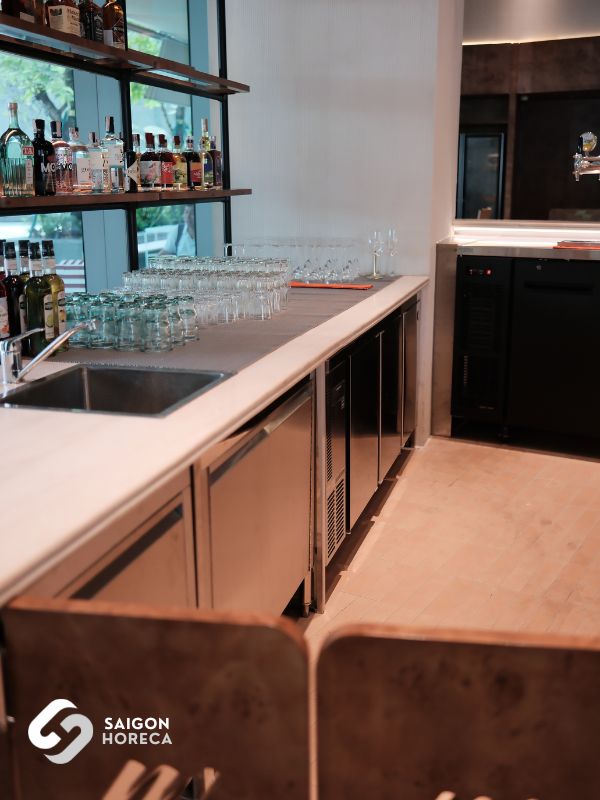
Is an overall management framework, combining HACCP with other international regulations. For restaurants/hotels, ISO 22000 not only applies to kitchen processes, but also covers purchasing, storage, transportation and personnel training.
Practical application: many international F&B chains when investing in Vietnam require industrial kitchen service providers to meet ISO 22000 as a prerequisite.
What do all three sets of standards have in common? Turn seemingly on-paper regulations into practical operating principles: from the distance between kitchen zones, the strength of the smoke extraction system, to the cold storage layout. And if the investor applies it right from the design stage, all future decisions – from construction, acceptance to operation – will become easier and less risky.

Comparing Vietnam vs International: Where is the gap?
Many restaurant kitchens in Vietnam still operate stably, but when placed next to international standards, you will see a quite large “gap”. The table below shows some common points:
|
Aspect |
Common practice in Vietnam |
International standards (HACCP, NFPA 96, ISO 22000) |
|
Material movement flow |
Importing goods – pre-processing – cooking often share the same space; high risk of cross-contamination. |
One-way flow: warehousing → preliminary processing → processing → serving; Living and cooking areas are separate. |
|
Smoke extraction & fire protection system |
Only install simple suction hoods, rarely integrated fire sprinklers. Chimneys are often rarely cleaned. |
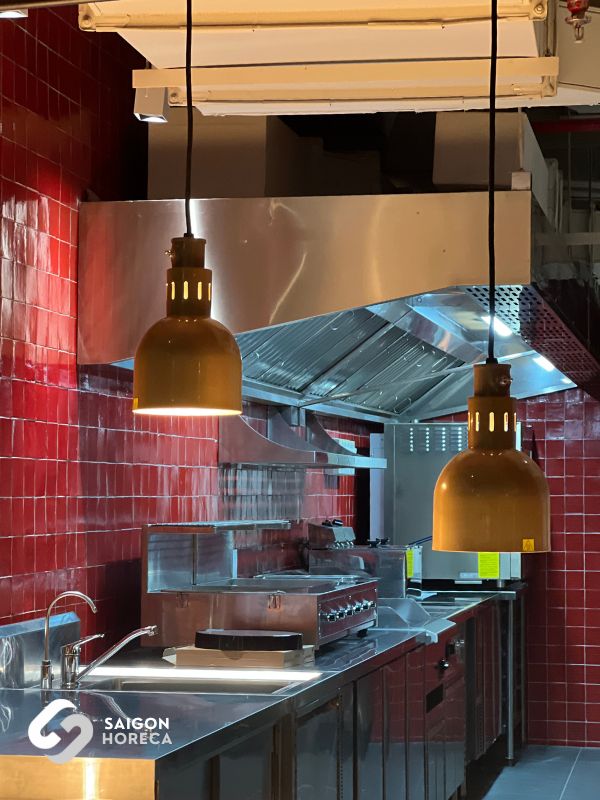
NFPA 96 requires fire sprinklers in hoods and chimneys to be sloped and periodically cleaned according to standards. |
|
Cold storage and preservation |
Cold storage often contains many types of foods; little control of temperature and humidity. |
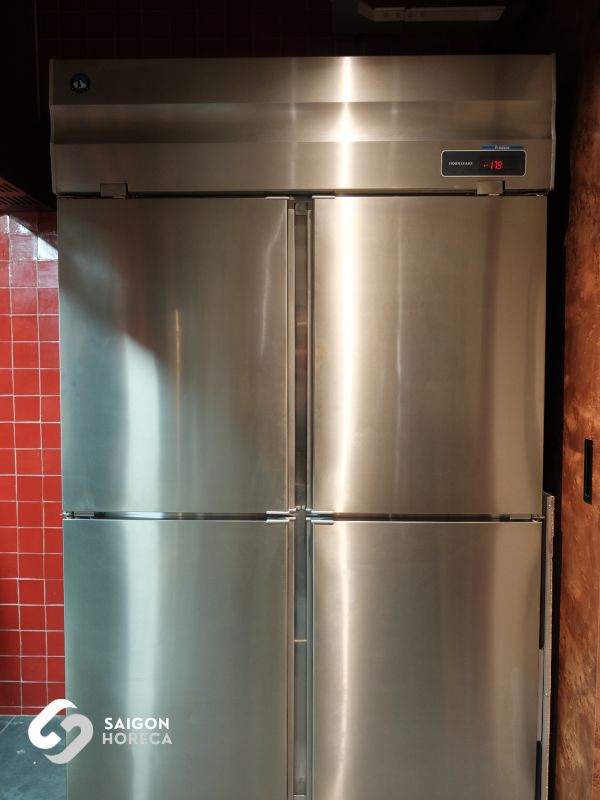
ISO 22000: have separate warehouses for each product group (meat, seafood, vegetables), 24/7 temperature monitoring system. |
|
Personnel training |
Food safety training is not systematic, mainly based on personal experience. |
Regular training, inspection checklist, records stored according to ISO/HACCP procedures. |
|
Acceptance – legal |
Design and fire protection documents are sometimes easily overlooked, leading to risks during operation. |
Applying international standards helps documents get approved quickly, reducing future renovation costs. |
It can be seen that the difference does not lie in far-fetched technology but in the approach: Vietnam often chooses temporary solutions, while international standards focus on reducing risks and optimizing long-term.
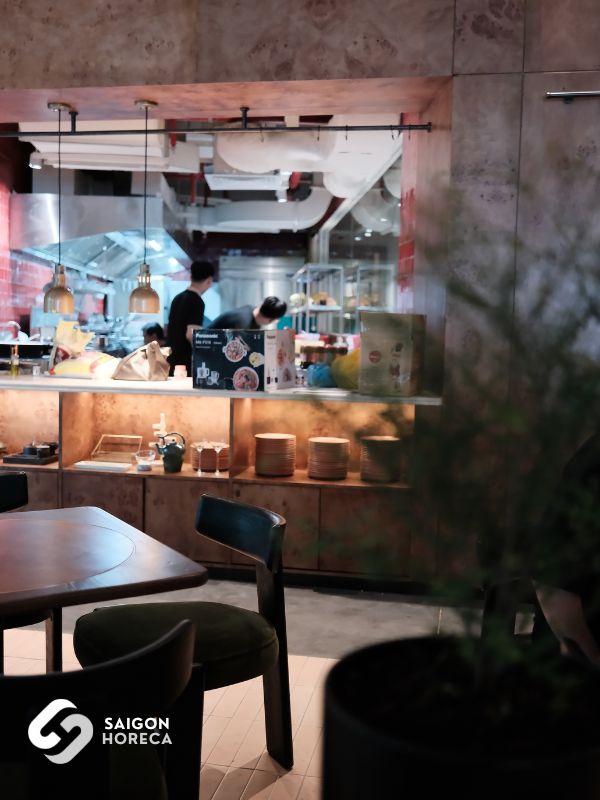
Benefits of applying international standards right from the design
Many investors often think that “international standards = high costs”, but in reality, if you consider the operating life cycle of the kitchen, investing from the beginning saves significantly. Below are the obvious benefits:
- Reduce future renovation costs
If the initial design is not up to standard, when expanded or when inspected by authorities, the repair cost can be 2-3 times higher than if the investment was correct from the beginning.
- Increase operational efficiency
The international standard kitchen ensures a “one-way” work flow, helping employees work quickly, with less friction, reducing errors and increasing dish delivery speed.
- Meet international legal and customer requirements
Especially for hotels, resorts, or F&B chains with foreign capital, compliance with HACCP, ISO 22000… is a mandatory condition for licensing, cooperation and market expansion.
- Enhancing brand image
A clean, professionally operated kitchen not only creates trust for customers but is also a powerful “marketing weapon” in the open kitchen trend.
- Optimize maintenance costs & safety
Fume extraction, electricity – gas, cold storage systems according to international standards often come with periodic maintenance procedures. This helps reduce incidents, fires, or major equipment damage, saving long-term costs.

Steps to apply international standards in kitchen design in Vietnam
Bringing international standards into Vietnamese practice is not a matter of copying the original, but of selecting – adjusting – implementing to suit the business model and budget. Investors can start with the following steps:
- Determine business scale and orientation
A kitchen serving a wedding party of 500 guests/day will be very different from a fine-dining kitchen of 50 guests. Clearly defining the model helps choose the right standards to apply (HACCP, NFPA 96, ISO 22000…).
- Design “one-way” operating flow
This is the core principle in every set of international standards: from warehousing → preliminary processing → processing → serving. Investors need to work closely with the design unit to avoid overlapping spaces and limit the risk of cross-contamination.
- Choose standard-compliant equipment
Not every “imported machine” is qualified. Equipment needs to have safety certification (CE, UL), be easy to maintain, and most importantly: suitable for operating procedures, not just for display.
- Integrate safety systems from the beginning
Fume extraction, fire protection, electricity and gas systems must be designed in parallel with the equipment layout. This is a step that many investors often skip, leading to having to demolish and rebuild later.
- Develop operating procedures & train personnel
International standards are not only in the drawings, but also in the way employees use the kitchen every day. Training, regular inspections, and a monitoring checklist will ensure the kitchen is always operating properly.
- Plan regular maintenance
According to international standards, the stove not only operates until it breaks down, but also needs a regular maintenance schedule for each item (smoke extractor, cold storage, gas equipment). This extends life and reduces the risk of downtime.
Saigon Horeca – Expert accompanying restaurant kitchens according to international standards
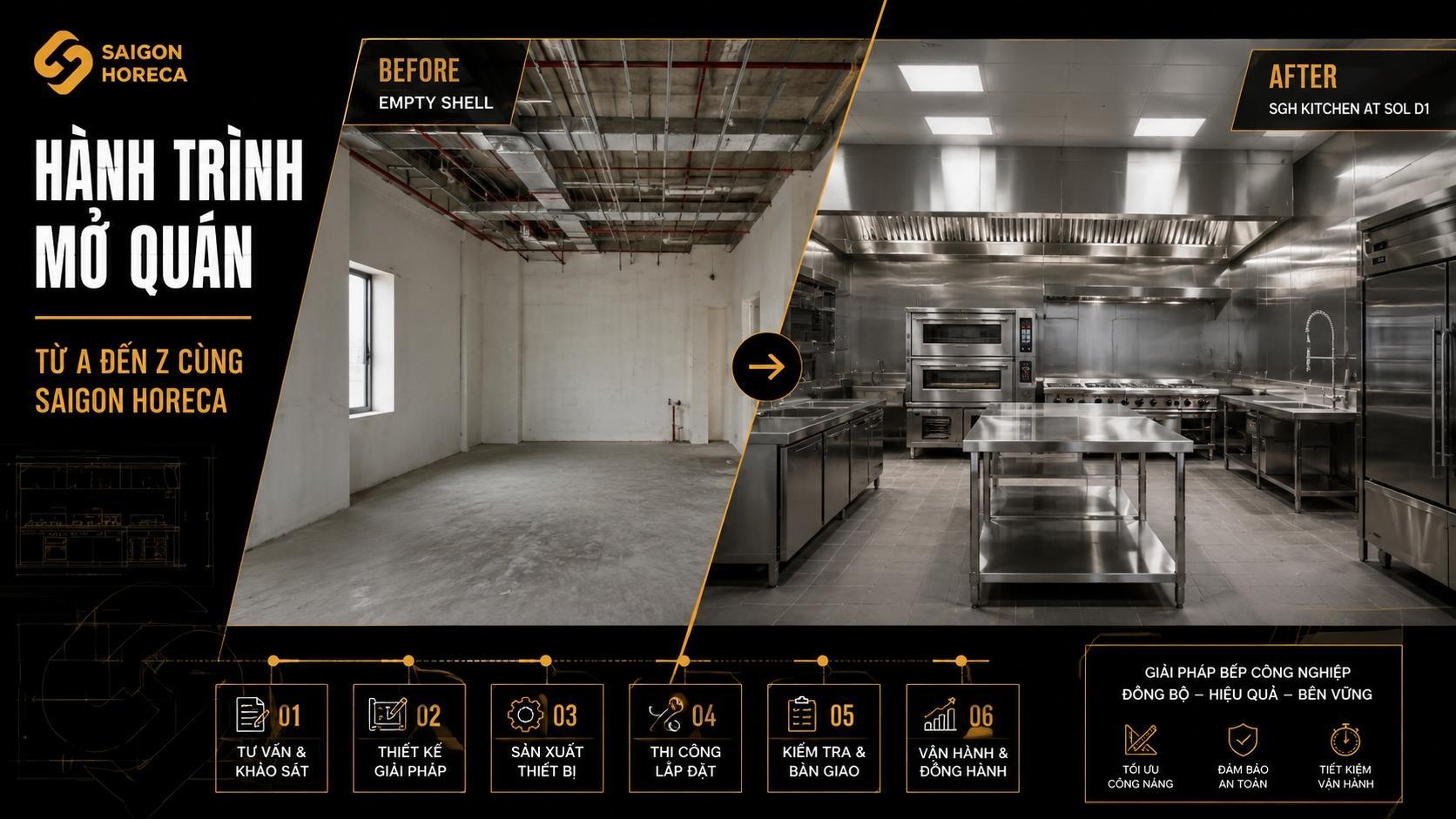
Proper investment right from the design stage will help investors avoid costly mistakes, improve operational efficiency and affirm brand reputation. Saigon Horeca, with many years of experience in consulting – designing – constructing industrial kitchens, is committed to providing customers with optimal solutions according to international standards, but still suitable for business characteristics in Vietnam.
 Facebook
 Zalo
Zalo