The difference between Stainless Steel and Stainless Steel
Let’s explore the difference between stainless steel and stainless steel with Saigon Horeca!
Steel is a metal alloy consisting of iron, carbon and some other elements. There are many ways to classify steel, based on the amount of carbon in the alloy, other elements in the alloy, or based on the intended use. In humid environments, stainless steel is the most popular steel. This is because stainless steel has minimal or even no corrosion resistance when exposed to moist air, unlike other types of steel. The term “inox” is also used to refer to stainless steel, so there is no difference between “inox” and “stainless steel.” However, this article will explain the different types and properties of stainless steel.
Definition of stainless steel and stainless steel
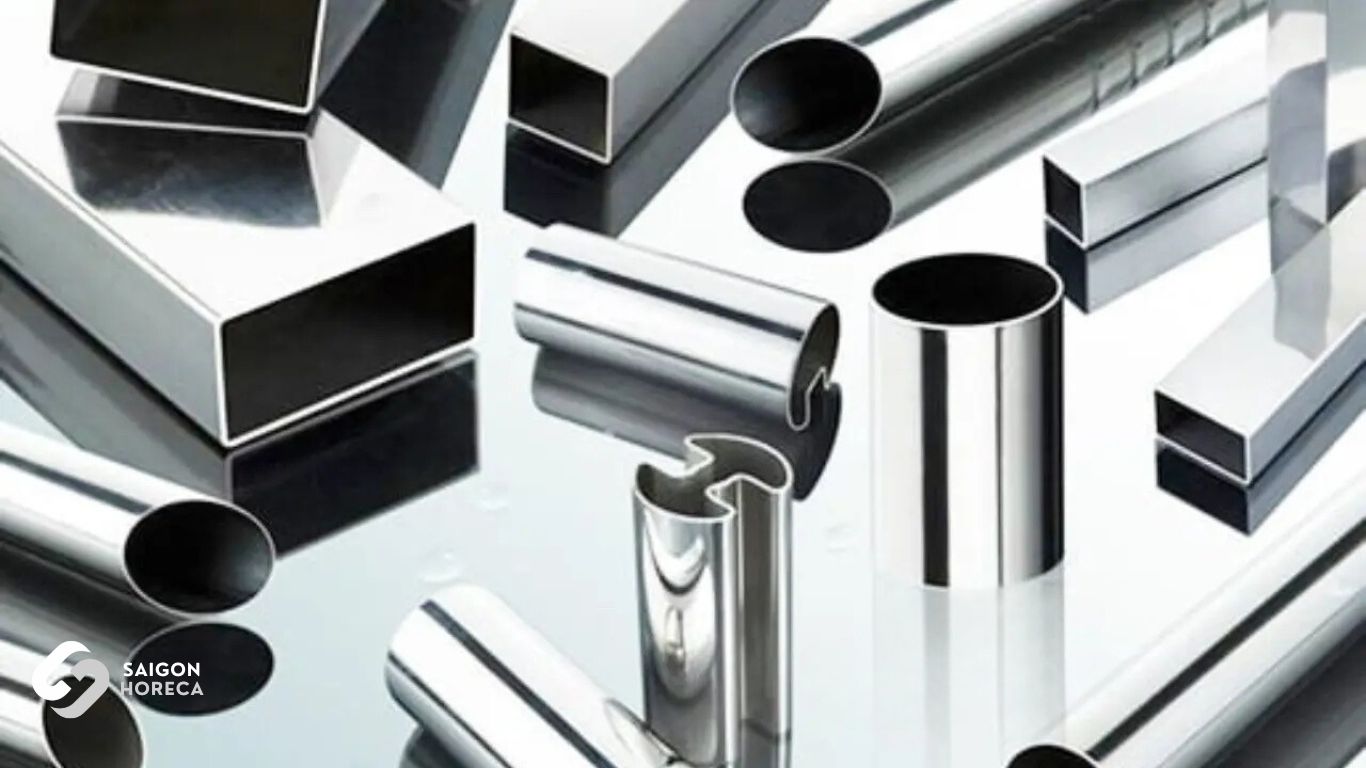
Stainless steel is a type of steel produced by combining molten steel with molten chromium. Stainless steel contains about 10% chromium, along with iron and several other metals and nonmetals. Other metallic constituents include nickel, molybdenum, titanium and copper, while carbon is an important non-metallic constituent.
The presence of chromium provides corrosion resistance by creating a protective film against rust. Stainless steel does not corrode even when scratched, because chromium covers the entire surface of the steel. It is also resistant to corrosion in ordinary environments at normal temperatures and pressures, and is even resistant to corrosion by some acids. Thanks to the combination of the two metals, stainless steel is very durable. However, it is often more expensive than other types of steel.
The stainless steel production process begins by melting these two metals to create an alloy. The alloy is then cooled and hardened. The surface of the stainless steel is then treated with acid to remove impurities and create a smooth and glossy surface.
Discover the history and characteristics of stainless steel
In 1913, a British metallurgist researching ways to improve the performance of gun tubes unfortunately discovered rust prevention by adding chromium to steel with a low carbon content. Besides carbon and chromium, modern stainless steel may also contain nickel, molybdenum and titanium, which increase its rust resistance. To be rust resistant, chromium needs to be at least 12% in the alloy.
The process begins with chromium combining with oxygen from the air to create an invisible film, called a “passive film.” The atomic sizes of chromium and oxygen are similar, allowing them to arrange on the metal surface and form a solid layer just a few atoms thick. If the metal surface is scratched or damaged in any way, more oxygen will appear and automatically repair the surface by creating a layer that protects against rust.
However, it should be noted that stainless steel has poor resistivity in environments with low oxygen flow. Stainless steel (also known as INOX) is more resistant to corrosion thanks to its chemical composition. However, anti-corrosion performance may vary depending on the specific composition and environment (such as coastal areas or atmospheres containing iron or chlorine). Steel can react differently to corrosion, and intercrystalline corrosion or other types of corrosion may occur.
To avoid and minimize corrosion of stainless steel, chemical cleaning is performed. This process removes all traces of iron (the main cause of corrosion in stainless steel) and other traces (different types of iron oxides), as well as weld marks that can prevent the formation of a passive film of chromium oxide, protecting steel (stainless steel) from corrosion.
There are four reasons why you should choose stainless steel products:
- High Quality and Reliability: Stainless steel is known for its high quality and reliability.
- Modern Trend: Stainless steel is a trend in the materials field, and it is a good choice for many applications.
- Reasonable Price: Stainless steel is not only interesting in terms of price, but also in terms of quality, especially when compared to other options.
- Easy to Maintain: With Stainless Steel, you won’t need to worry about using a brush to clean it.
Stainless steel products are widely used worldwide because of their reliability and maintainability. The thin passive film on the surface helps stainless steel strongly resist corrosion and eliminates the need for other organic or metallic protective layers. Despite these great characteristics, routine maintenance is still recommended to maintain the beauty of Stainless Steel. Basically, to clean and maintain the attractive appearance of a Stainless steel product, you just need to care for it like any other decorative material, e.g. glass.
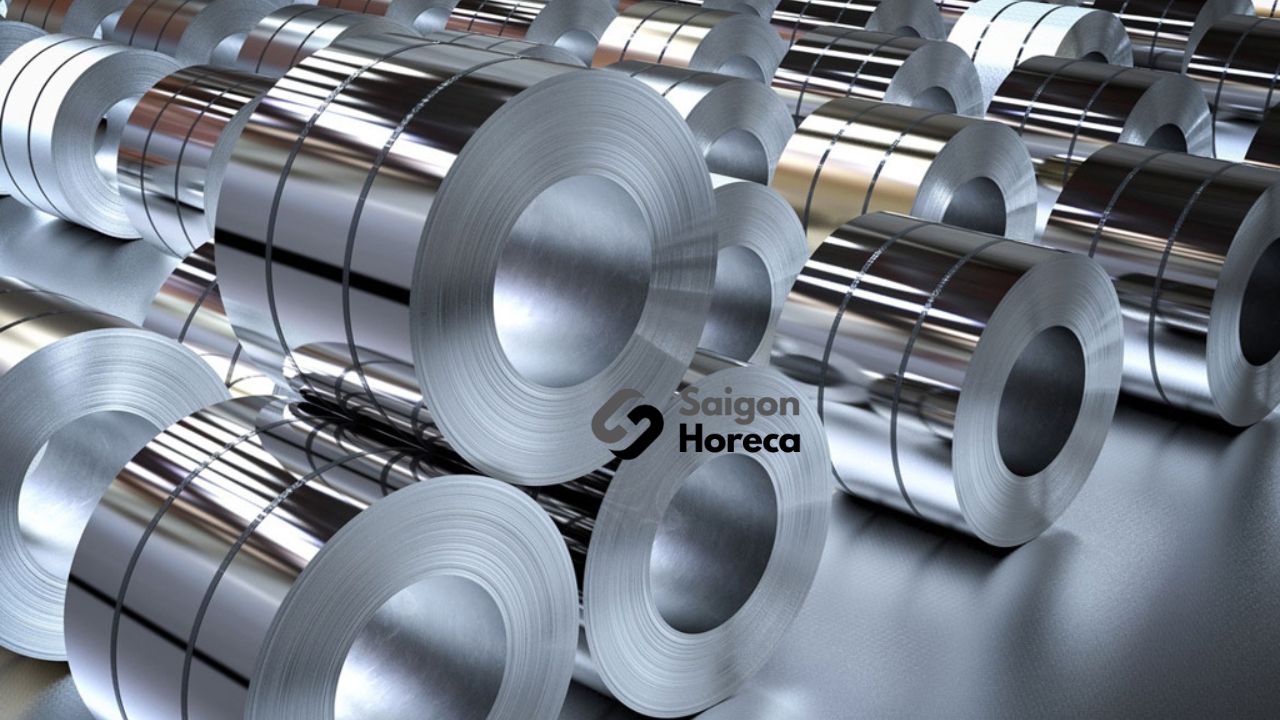
Types of stainless steel
Here are some popular types of stainless steel:
Stainless steel 430 (SUS 430): Rated at an average level in terms of magnetism, corrosion and oxidation resistance. Products from this type of stainless steel are usually of average quality.
Stainless steel 201 (SUS 201): Often used to produce popular products such as tables, chairs, brass, pots, kettles, and many other items. Rated at an average level in terms of quality, durability, resistance to corrosion and oxidation. To preserve 201 stainless steel products well, it is necessary to regularly clean the surface to avoid small rust stains.
Stainless steel 304 (SUS 304): Is the type of stainless steel that is rated best on the market today. It is durable, absolutely resistant to oxidation and rust. Stainless steel 304 contains at least 8% nickel and is the preferred choice for many different applications.
>> Learn about how this stainless steel is not only a corrosion-resistant material, but also a constant source of inspiration for diverse applications in many fields, from manufacturing to interior decoration. Read the article to discover the strength and versatility of Stainless Steel 304 in the world of construction and manufacturing materials: Stainless Steel 304 – Durability and Diverse Applications of Stainless Steel
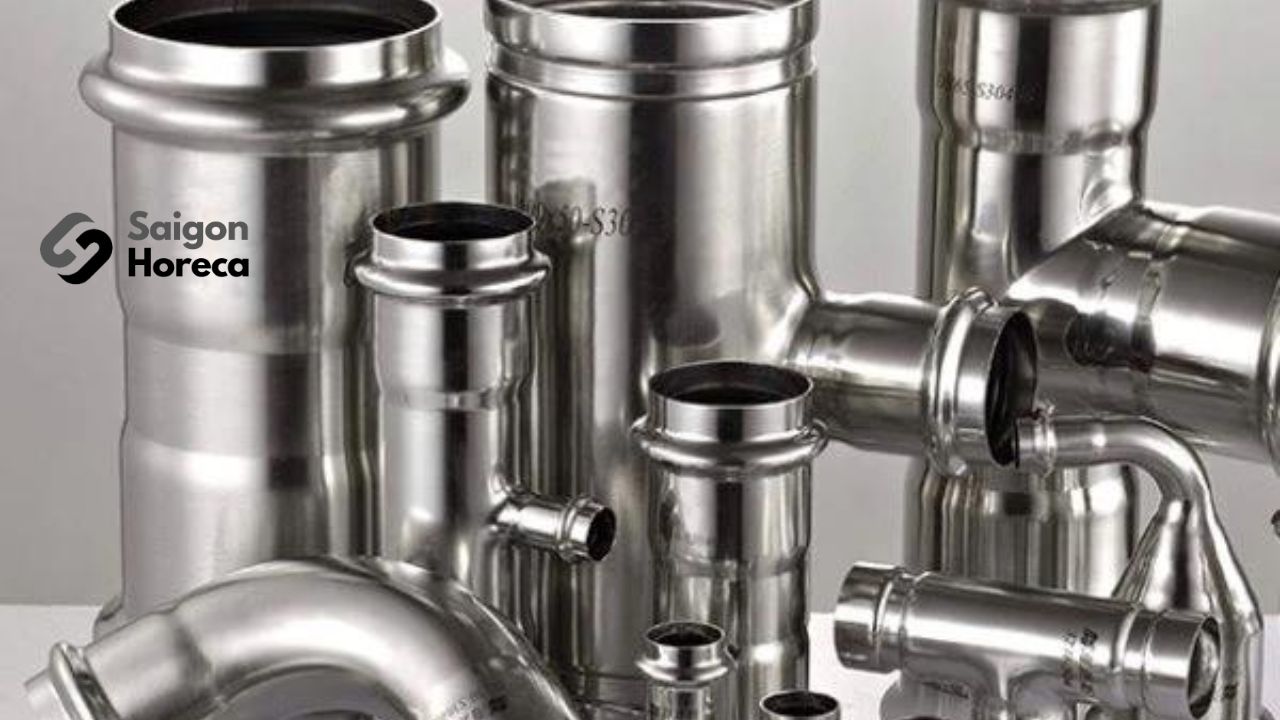
Diverse Applications of Stainless Steel in Different Fields
“Stainless steel – Applications for all areas of life”
Stainless steel plays an important role in many aspects of daily life. Not only appearing in the home through items such as cutlery, sinks, and hairdressing tools, stainless steel also serves a variety of purposes in different fields.
In the field of commercial kitchen design, stainless steel helps create high quality and safe products for food processing. It also plays an important role in the transportation industry, from exhaust systems to containers and ships. Stainless steel’s applications also spread to the chemical and pharmaceutical fields, where it is used in laboratory instruments and pressure vessels.
In the oil and gas industry, stainless steel plays an important role in making gas cylinders, building subsea oil pipeline systems, and many other applications. In the medical field, it is used to produce surgical instruments and high-end medical equipment.
Stainless steel also plays an important role in the food industry, from food processing machinery to food preservation equipment. Furthermore, in the field of water treatment and environment, it is used for wastewater treatment and discharge systems.
In addition to these important applications, stainless steel also plays a role in the production of small parts such as screws and bolts, as well as in the furniture and tables and chairs manufacturing industry. With high durability and corrosion resistance, stainless steel is always the top choice for many different applications, contributing to improving the quality and performance of our daily lives.
 Facebook
 Zalo
Zalo