Discover all about Food allergies: Causes, symptoms, and management
Food allergies are an important health problem that millions of people around the world face every day. Uncomfortable symptoms such as swollen eyes, itching, coughing, and diarrhea can cause a lot of trouble and anxiety for people with food allergies. However, through understanding and proper management, you can minimize the negative impact of food allergies on your daily life. Through this article, Saigon Horeca will lead you through a journey to better understand food allergies, from causes to effective management, helping you create a healthier and more comfortable life.
Overview of food allergies
Symptoms
Food allergy is an immune response of the body to one or more specific foods. When a person with a food allergy is exposed to the food they are allergic to, their immune system reacts abnormally and produces various signs and symptoms. These symptoms can make people with allergies feel uncomfortable and can be dangerous to their health if not managed carefully.
Symptoms of food allergies can range from mild symptoms such as itching, swollen lips, cough, vomiting, diarrhea, to more serious symptoms such as severe swelling, difficulty breathing, heart failure, or even anaphylactic shock. Food allergies often appear soon after exposure to the allergenic food, and even small amounts can cause a reaction.
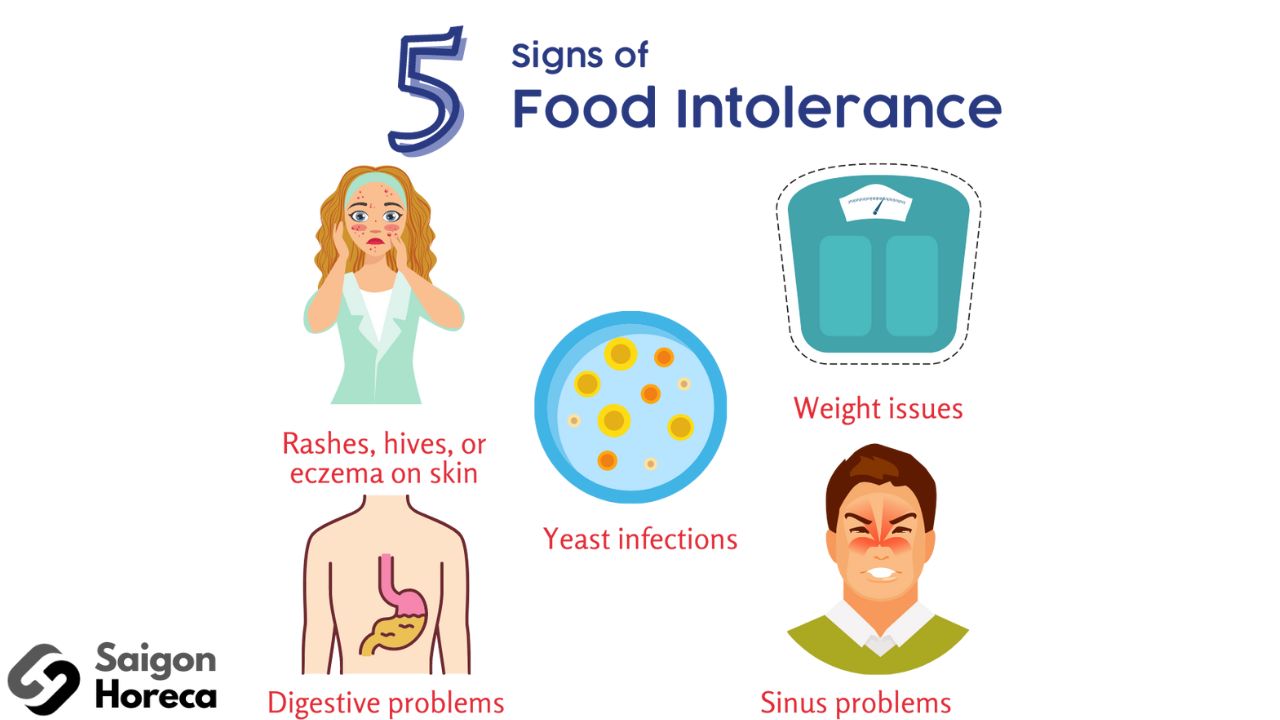
It is important to distinguish between food allergy and food intolerance. Food sensitivities typically do not involve the immune system and cause symptoms such as diarrhea, bloating, and abdominal pain, while food allergies directly involve the immune system and cause specific immune symptoms.
How to treat and prevent
Data on food allergies in the United States is more worrying than ever. With approximately 2% of adults and 5% of infants and children suffering from food allergies, we cannot ignore the importance of understanding and managing this allergy. Each year, about 30,000 consumers need to go to the emergency room because of an allergic reaction after being exposed to allergenic foods. This shows that helping people with food allergies is extremely important, not only to ensure their health and safety every time they eat at a restaurant, hotel, or eatery, but also to increase society’s awareness and understanding of this issue.
For food allergies, there is currently no completely fixed treatment method. However, managing food allergies and responding promptly when an allergic reaction occurs is extremely important. Below are measures you can refer to to manage and deal with food allergies:
Stop continuing to eat allergenic foods: If you suspect you are allergic to a food, stop consuming it immediately to prevent your allergy symptoms from becoming more severe.
Learn about food ingredients: Read the ingredients of foods and menus carefully when eating out to avoid foods that cause allergies. Take note of the foods you should not eat.
How to manage mild symptoms: Mild symptoms such as itching and mild swelling can be managed with allergy medication that you have agreed upon with your doctor or allergist.
Managing an emergency situation: If you or someone else has a serious allergic reaction, such as anaphylaxis, choking, or loss of consciousness, activate emergency services immediately (115) and administer first aid such as CPR and cardiac massage if you are trained.
After-reaction care: After an allergic reaction, a visit by a doctor or allergist is often needed to evaluate and plan for future allergy management.
Consider allergy taper: Sometimes, with the help of your doctor or allergist, you can do a taper test with the allergenic food to see if you can gradually develop tolerance.
Managing food allergies requires understanding and close interaction with medical professionals. Never ignore food allergy symptoms and always consult your doctor or allergist for specific support and guidance.
Measures should be taken to create a safe environment for people with food allergies, including clearly disclosing the ingredients of dishes at culinary establishments, training staff on detection and emergency response in the event of an allergic reaction, and ensuring that safe food alternatives are available to serve people with allergies.
With consistency and respect for people with food allergies, we can create a safer and more trustworthy culinary environment for everyone. Here, let’s learn more about effective treatment methods with Saigon Horeca: effective treatment methods with Saigon Horeca.
5 effective ways to treat food allergies at home
Traditional and natural methods can be tried to reduce food allergy symptoms. However, you should remember that the effectiveness of these measures may vary from person to person and you should not arbitrarily rule out professional medical care when needed. Here are some methods to try:
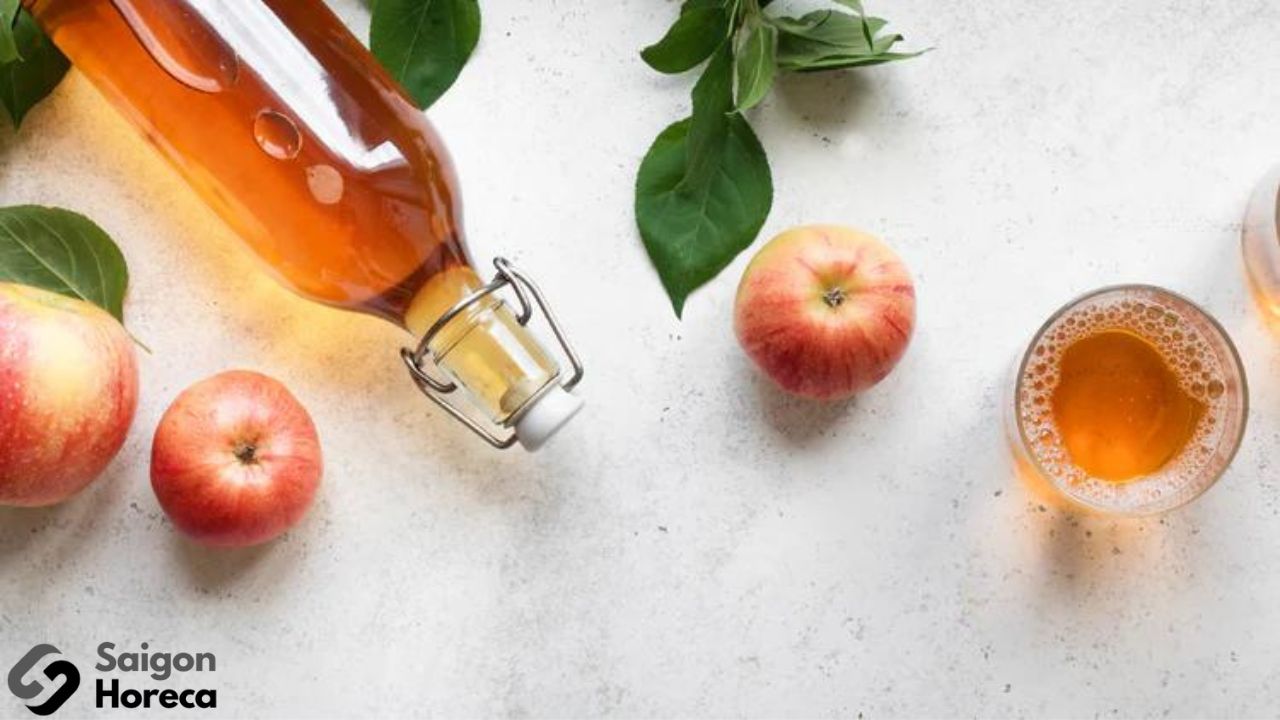
- Cider vinegar water treats fish allergies: Histamine is often found in foods from ocean tuna or fish with dark flesh, and this is one of the substances that causes skin allergies. This can make enjoying fish dishes complicated for people with allergies. However, apple cider vinegar is considered a natural and effective solution to reduce food allergy symptoms.
Apple cider vinegar not only helps soothe the skin but also works against histamine, an allergen inside the body. It also has the ability to balance pH in the body, help increase nutrient absorption and assist in restoring the immune system. Not only that, the alkaline contained in apple cider vinegar also has the ability to eliminate harmful free radicals, one of the causes of allergies and health problems.
Cider vinegar water can help reduce itching and swelling after contact with fish. You can use apple cider vinegar to cool it or soak cotton in your hand and apply it to the allergic skin area. However, if symptoms do not subside, seek medical advice.
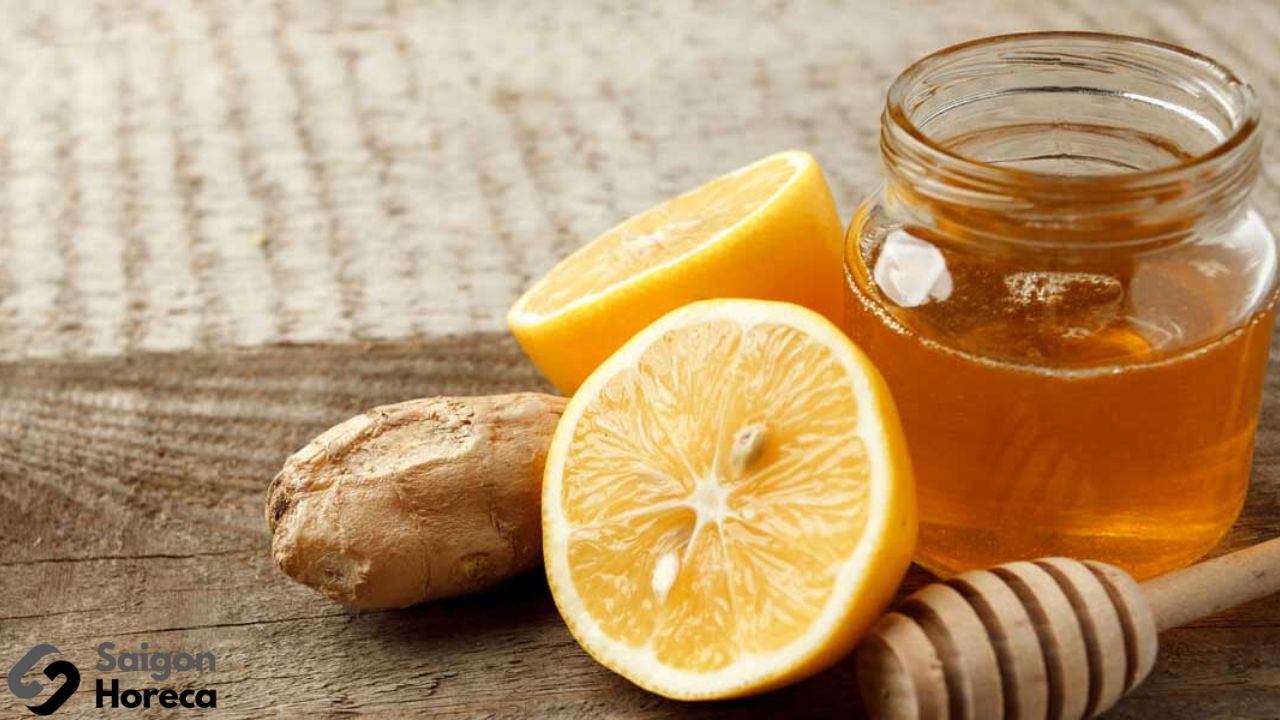
To reap the benefits of apple cider vinegar, you can do the following: mix apple cider vinegar with a spoonful of honey and a spoonful of fresh lemon juice with warm water. Drink this mixture every day to enjoy the benefits of apple cider vinegar in soothing and managing food allergy symptoms. However, remember to consult with your doctor or nutritionist before taking any natural remedies to ensure their safety and effectiveness for your health. - Ginger and honey water: The combination of ginger and honey is not only beneficial for the digestive tract but also brings many other health benefits. The spicy and warming properties of ginger have the ability to soothe the stomach and help control gastrointestinal problems. This is a natural and effective way to reduce symptoms such as nausea, vomiting, and bloating after exposure to allergenic foods.
In addition, the spicy taste of ginger can also help reduce itching and rashes on the skin, symptoms that often appear in cases of food allergies. A mixture of ginger and honey can help soothe allergy symptoms, you can do the following: boil ginger slices for about 10 minutes to create ginger water. Then add honey and stir well to form a mixture. You can use this mixture directly or add it to warm water to drink. It is important to maintain a balanced diet and consult with your doctor or nutritionist to ensure you are taking appropriate and safe measures for your health.
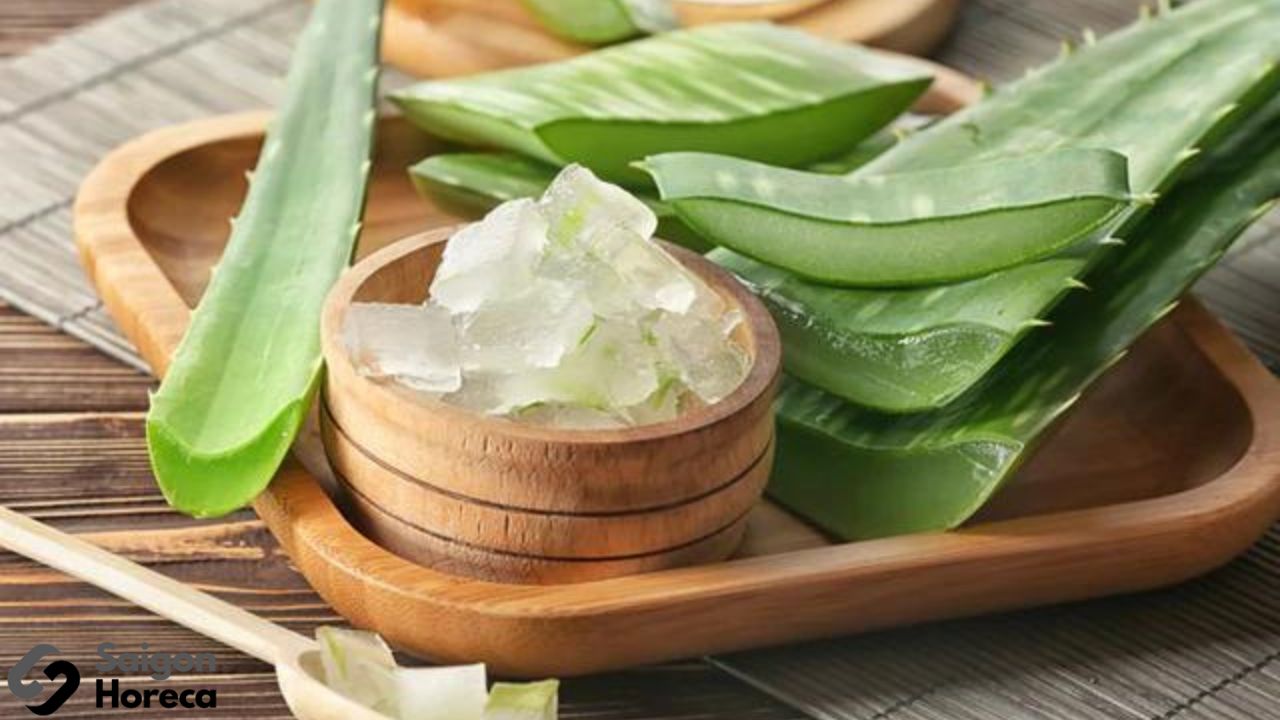
- Aloe vera gel treats allergies, redness and itching Aloe vera gel has the ability to soothe the skin and help reduce swelling and itching caused by allergies. You can apply aloe vera gel to allergic skin areas.
Using aloe vera gel is a natural and effective measure to reduce symptoms of skin irritation caused by food allergies. Aloe vera has cooling, soothing properties and reduces swelling, redness, and itching on the skin, helping the skin recover quickly.
Using aloe vera gel is very simple: you just need to take the aloe vera flesh and apply it directly to the irritated skin area. To enjoy maximum benefits, let the aloe vera gel absorb into the skin for about 10-15 minutes. Then, use warm water to clean the damaged skin, making sure that there is no aloe vera gel residue left on the skin.
Another advantage of aloe vera gel is that it is non-irritating to most people and can be used safely on the skin. However, if allergy symptoms become severe or persistent, seek advice from a medical professional to ensure that you are receiving appropriate attention and care for your skin condition. - Betel leaves treat allergies for pregnant women Food allergies can pose many challenges, especially for pregnant women. Managing food allergies during pregnancy needs to be done carefully to ensure the health of both the pregnancy and the fetus. In this case, betel leaves are a safe and natural method that pregnant women can try to reduce allergy symptoms.
Betel leaves, with their soothing and anti-inflammatory properties, are an ideal choice to reduce skin rashes. Pregnant women can crush betel leaves and apply them to damaged skin to reduce allergy symptoms. Not only does this help soothe the skin, but it also provides comfort and reduces stress during pregnancy.
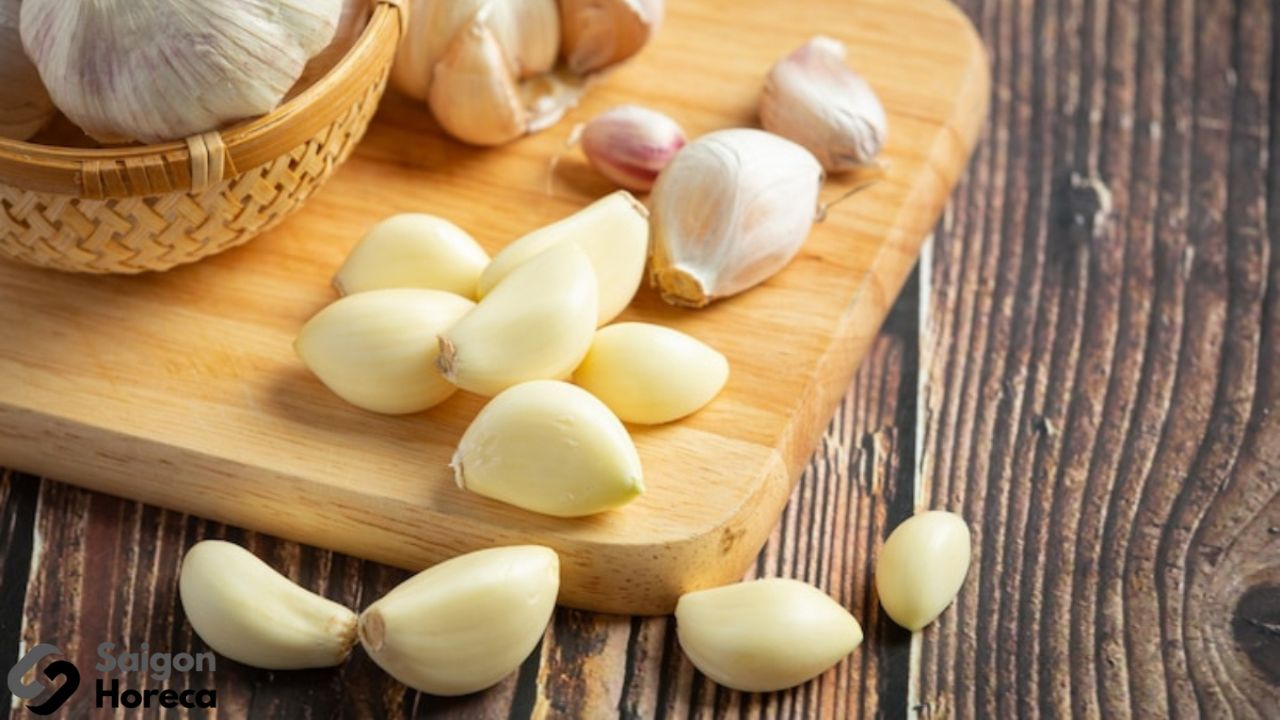
However, before using any natural remedies, pregnant women should discuss them with their doctor or health professional to ensure they are safe and appropriate for their specific health condition and that of their fetus. Medical advice and monitoring is always important in managing food allergies during pregnancy. - Raw Garlic: Garlic, with its natural anti-allergic properties, becomes one of the useful natural methods to reduce food allergy symptoms. Chewing 3 cloves of raw garlic every day can help you quickly recover from damage caused by allergies. Garlic has the ability to reduce inflammation, improve the immune system, and has antibacterial effects, helping the body better deal with allergy symptoms.
In addition, Garlic also has anti-inflammatory properties and can help reduce allergy symptoms such as nasal congestion and cough. You can add garlic to your daily meals or use it as a spice in dishes.
However, you should not consume too large amounts of garlic, especially when your body is hungry. Eating too much garlic can cause discomfort, nausea, bloating and intestinal disorders. It is important to maintain balance and indispensable in garlic consumption to avoid discomfort.
Remember that these measures may provide temporary relief of symptoms, but do not replace advice from a doctor or allergist. If you or someone you love has a food allergy, you should discuss it with a medical professional to ensure safe and effective allergy care and management.
Foods that may cause allergies
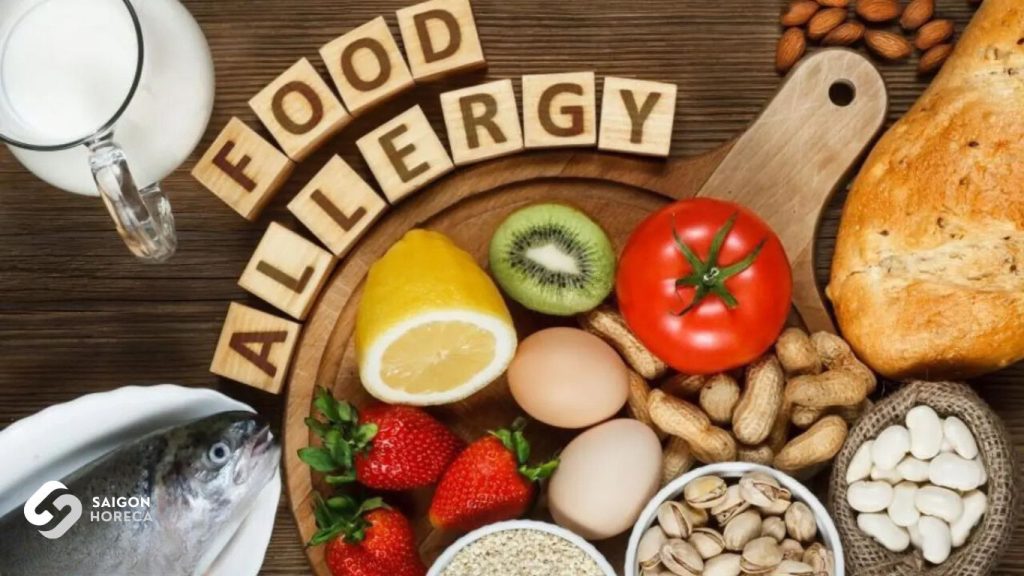
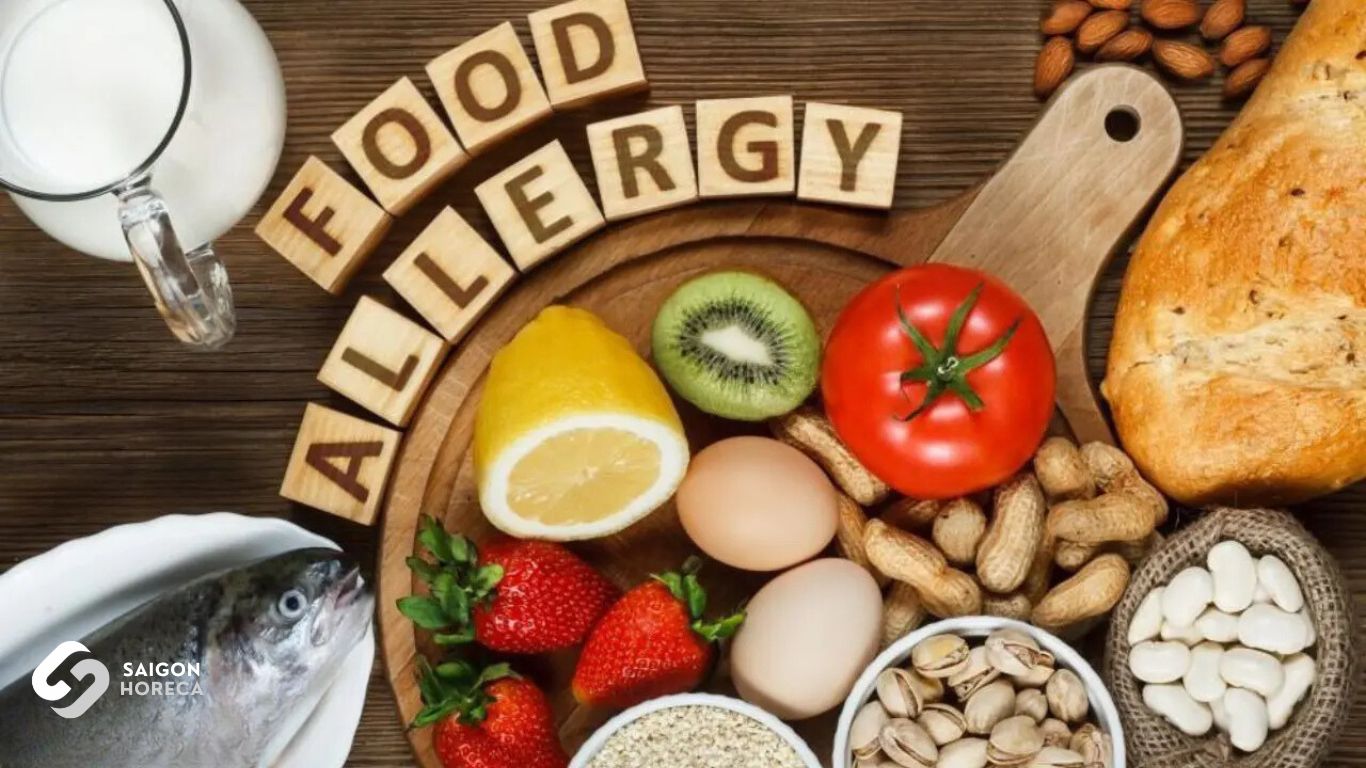
Food allergies are a serious problem that can affect the health and quality of life of many people. The list of foods that can cause allergies is very diverse and they can cause symptoms ranging from mild to severe. Some common food allergies include milk, shellfish, fish, peanuts, nuts, eggs, soy, and rice.
Symptoms of food allergies can range from itching, swollen lips, and redness to severe symptoms such as difficulty breathing, anaphylactic shock, and difficulty absorbing food. Therefore, recognizing and managing food allergies is important. If you or someone you love suspects signs of a food allergy, seek advice from a doctor or allergist. They will help you evaluate and identify allergies, provide specific instructions on how to manage and avoid allergenic foods, and ensure that you and your loved ones are cared for safely.
Let Saigon Horeca take you to discover a group of allergens called “Group 8 foods”.
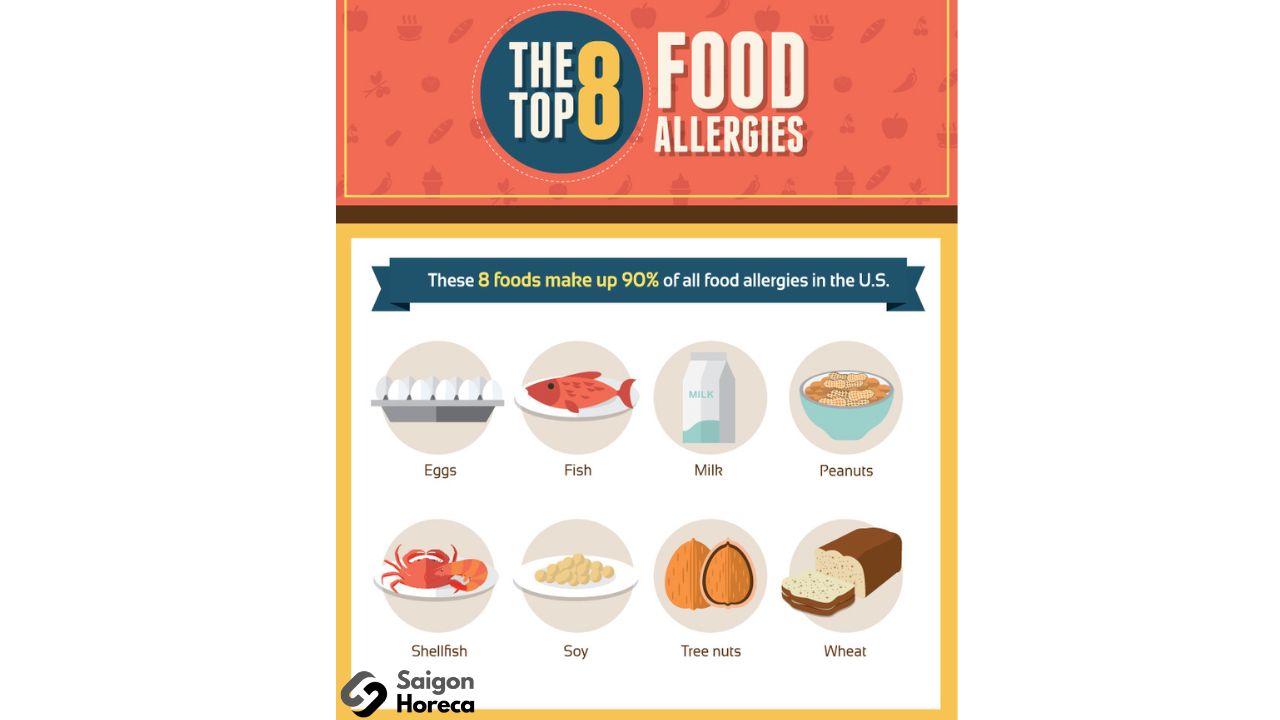
The Group 8 foods, also known as the “Big 8,” are a group of common food allergens. These are the foods known to cause most food allergic reactions. These foods have the potential to lead to severe allergic reactions and can even be life-threatening to the affected person. The Big 8 group includes:
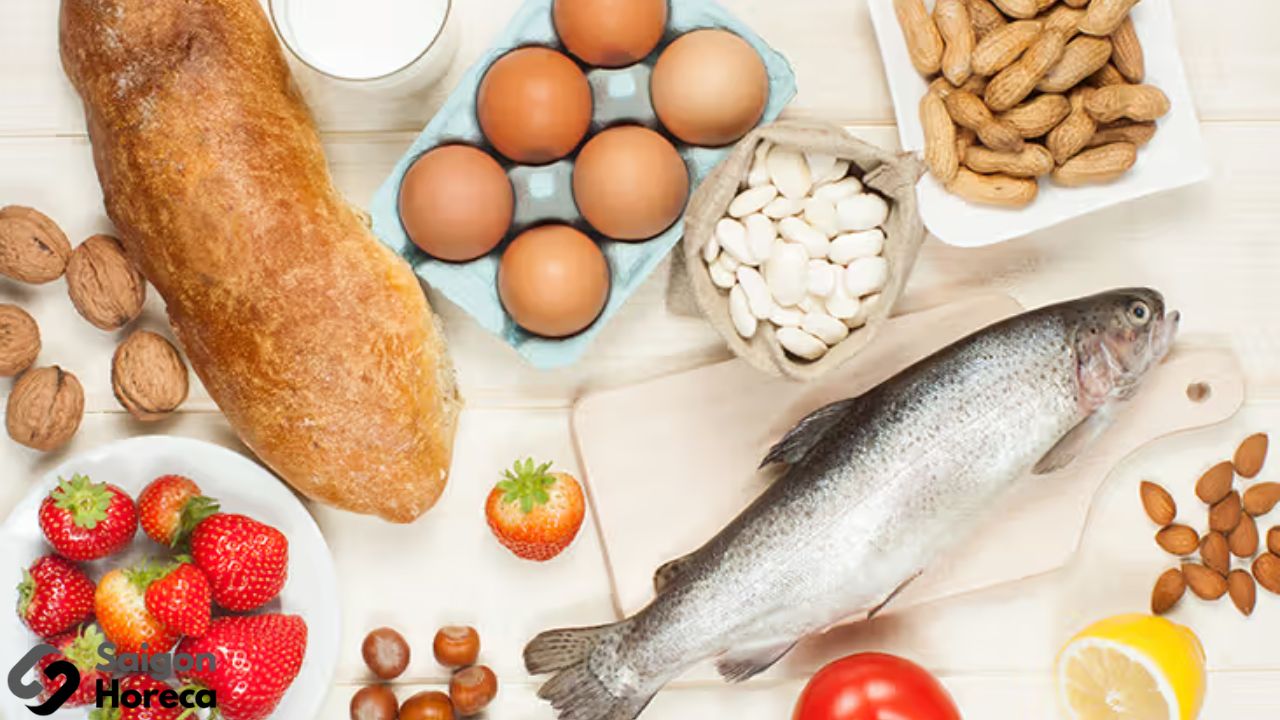
Milk allergy
Milk allergy is often a significant problem for infants and young children, and this can create significant challenges in dietary management. People who are allergic to cow’s milk need to be vigilant and avoid not only cow’s milk products but also those from other animals, because these milks can cause similar allergic reactions.
To ensure the safety of people with milk allergies, it is necessary to eliminate products containing milk and milk derivatives from the diet. This includes avoiding raw milk, milk powder, cheese, butter, vegetable oils containing milk, yogurt, ice cream, and all products that use milk as a primary or secondary ingredient.
Strict adherence to the diet not only helps prevent allergy symptoms but also ensures good health and development for people with allergies. At the same time, learning about alternative foods and safety measures when needed is an important part of effectively managing milk allergy.
Shellfish
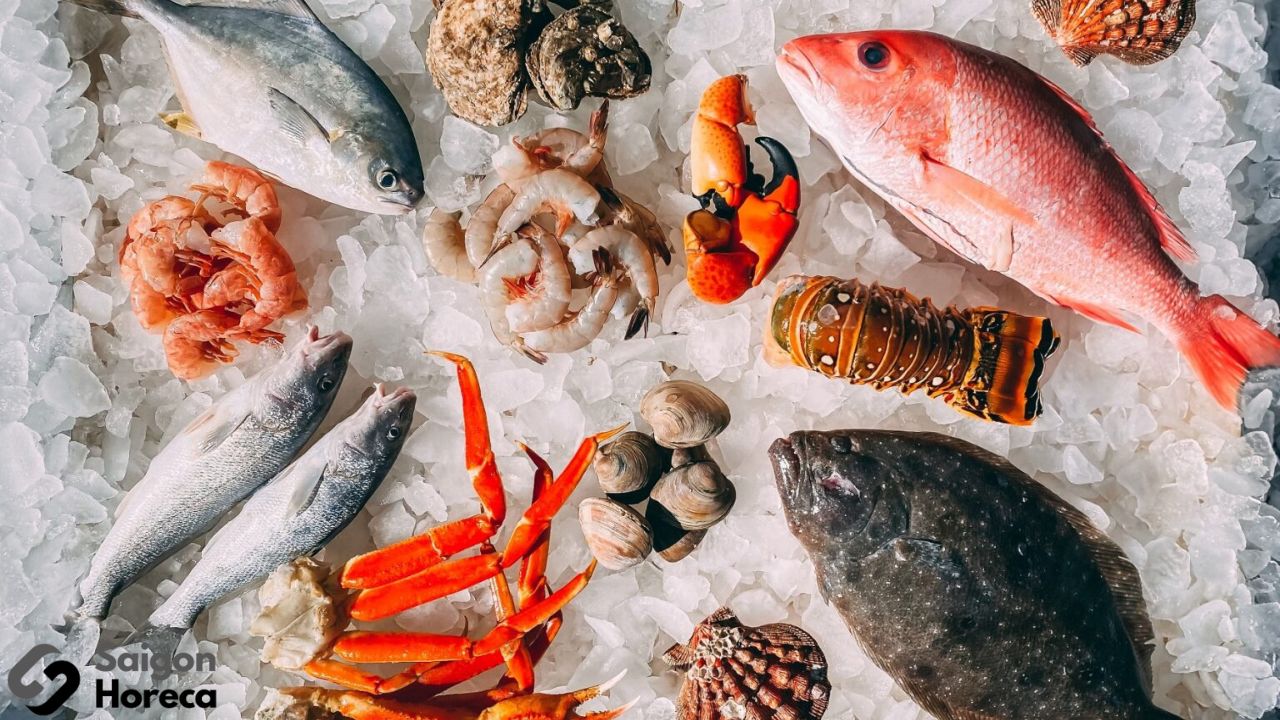
There are two important groups of shellfish to distinguish: crustaceans, including shrimp, crabs, and lobsters, and mollusks, such as clams, mussels, scallops, and scallops. Often, severe allergies often appear when exposed to crustaceans. However, people with shellfish allergies are not always allergic to fish, but caution should still be maintained.
It should be noted that the source of allergies can appear from all types of shellfish, regardless of the group they belong to. It is important to carefully check the ingredients of food before consumption, especially when eating Asian dishes that use fish sauce as a seasoning. Fish sauce is often produced from fish and shellfish, so it can cause allergies in susceptible people.
Therefore, knowing the origin of ingredients in foods and using this information to ensure your health is an important part of managing shellfish-related food allergies.
Fish
More than 50% of people who are allergic to one type of fish are also at risk of being allergic to other types of fish. This means that affected individuals should maintain special caution when handling fish of any kind, regardless of type. Avoiding places where there is cross-contact with fish, such as seafood restaurants and fish markets, is an important measure to ensure health safety.
In addition, the source of allergies can come from all types of fish, so carefully checking the ingredients of food before consuming is very important. Caution should be exercised when consuming condiments such as fish sauce, fish paste, shrimp paste, and some sauces, as they often contain fish ingredients or create a cross-contact risk.
These precautions are a way for people with allergies to avoid situations that could cause unwanted allergic reactions and ensure that they have a safe diet and are not at risk for fish-related food allergies.
Peanuts
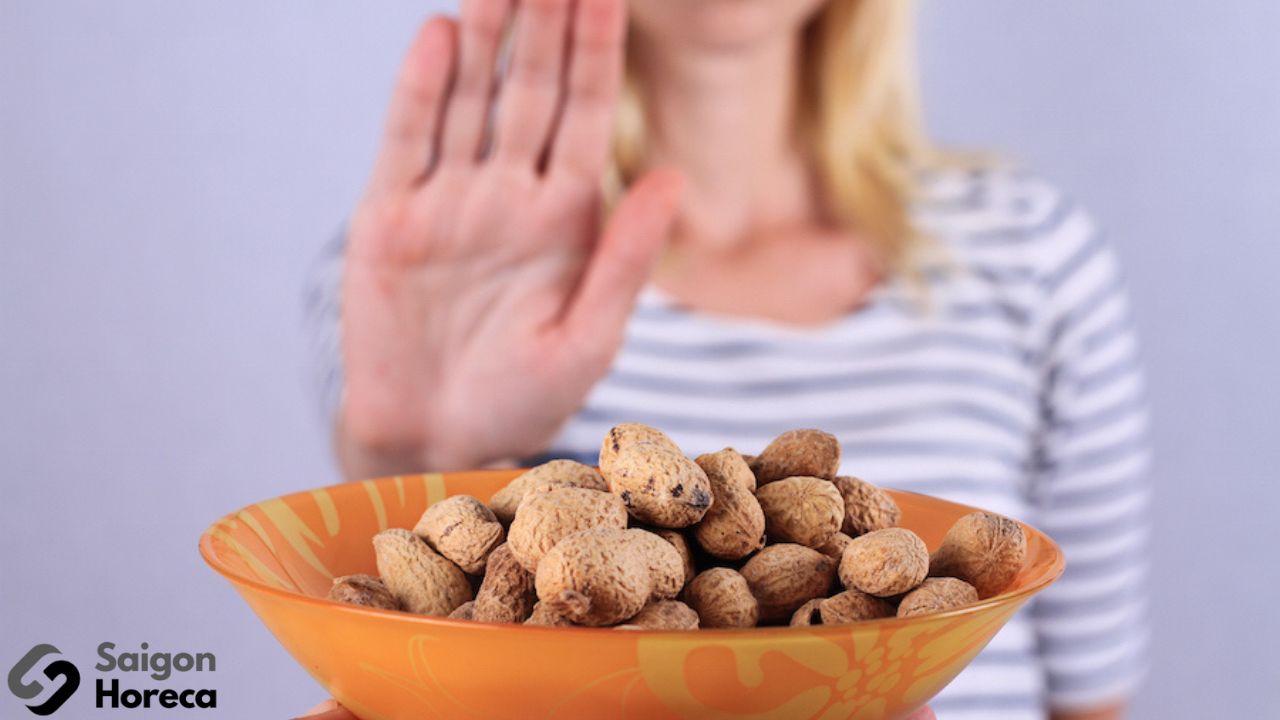
Peanuts are a special type of tree nut, different from other nuts such as walnuts, almonds and cashews. What’s interesting here is that peanuts don’t grow on trees like other tree nuts, but they grow underground. They belong to the same family as other legumes such as beans, peas, lentils and soybeans. The closeness between peanuts and other legumes in this family is noteworthy.
Peanuts and tree nuts are often exposed during food production and service. They often appear in baked goods, candy, peanut butter and mixed nuts, increasing exposure and potential allergy risk.
In addition to the main sources above, peanuts can be an unexpected source in some dishes and products, such as chili, egg rolls, pancakes, and even in meat substitutes. Identifying and carefully checking food ingredients before consumption is important to ensure the safety of people with peanut allergies and face the risk of cross-allergy from contact between foods.
Allergy to nuts
Tree nuts, such as cashews, chestnuts, shea nuts, pistachios, hazelnuts, walnuts and almonds, are a group of foods that have the common characteristic of causing allergies in many people. It’s worth noting that most people who are allergic to one type of tree nut are also allergic to others in this group. The close proximity of nuts and peanuts during food production and service creates a risk of exposure and potential cross-allergy risk.
Foods containing these tree nuts often include nut butters, pesto, artificial nuts and coconut products. This should be considered when choosing foods, especially if you or someone in your family has a tree nut allergy.
Besides the main sources above, tree nuts can also be an unexpected source in a number of other foods, such as cereals, energy bars, flavored coffee, or even salami. Carefully checking food ingredients before consumption is important to ensure safety for people with tree nut allergies and avoid the risk of cross-allergy from contact between foods.
Eggs
Egg allergy is a common problem, and it can affect many people, including young children. It is especially worth noting that the proteins in egg whites can cause allergic reactions, and this creates a major challenge for sensitive people. It is difficult to completely remove egg whites when in contact with eggs, so it is essential to avoid eggs altogether.
Egg-containing ingredients often appear in many dishes, especially in baked goods such as cakes, cookies, and cakes. Additionally, eggs are often used to create mayonnaise and as part of the foam topping on drinks. This needs to be carefully considered when choosing foods, and carefully checking ingredients before consumption is important to ensure safety for those with egg allergies.
Egg allergy can cause serious reactions, so limiting or eliminating eggs from the diet is the best way to ensure health and avoid the risk of unwanted allergies.
Soybeans
Members of the legume family, soybeans, are not typically a staple of the traditional American diet. However, they often appear in many processed food products and are the basis for many meat substitutes or plant foods.
Common sources of soybeans include soy sauce, tofu, and soy milk. Because soy is often an important ingredient in many foods and food products, carefully reading product labels before consumption is important for people with allergies. They need to eliminate soy from their diet to ensure health safety and avoid the risk of unwanted allergic reactions.
It’s also important to note that soy can appear in meat substitutes and plant foods, so carefully checking food ingredients is an important part of managing soy allergy and ensuring health safety.
Rice
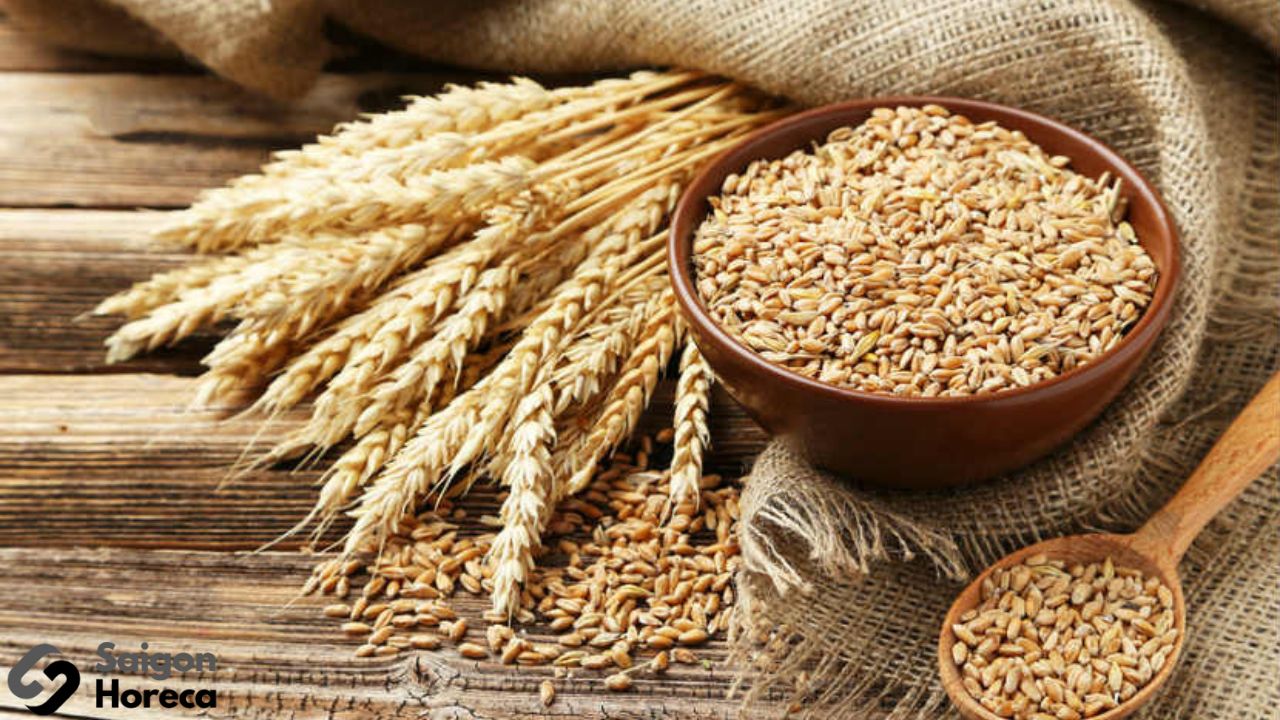
Wheat is also a cause of gluten intolerance, and managing this allergy is an important part of health care for affected people. If you serve a customer or your loved one is allergic to wheat, consider using alternative grains, such as rice or rye, to replace wheat in dishes.
It is important to note that people with wheat allergies simply need to avoid wheat, including foods and cosmetic products containing wheat. However, they can still enjoy other grains without causing an allergic reaction. Ensuring the safety of people with allergies and providing alternative foods is a way for them to continue their diet without worrying about allergies.
The Big 8 account for 90% of all food allergic reactions, and recognition and management of allergies to these foods is important. People with allergies or their caregivers need to know how to evaluate and avoid exposure to these foods to ensure their health safety. Consulting with a doctor or allergist is important to identify allergies and create an appropriate management plan.
Food allergies through cross-contamination in food at restaurants and schools
Cross-contamination in food
Food allergy is an important problem, especially when it occurs in restaurants or in humid environments that are difficult to control. One of the factors that cause food allergies that few people expect is cross-contamination. Cross-contamination occurs when an allergen from one food is transferred to another food that does not contain the allergen. This usually happens when different foods come into contact with each other, causing allergen proteins to mix and become difficult to detect with the naked eye.
Important note: Cooking food does not eliminate or reduce the likelihood of a person with a food allergy reacting to contaminated food. This means that care in food selection and preparation is important to ensure the safety of people with food allergies.
Prevention of cross-infection
- Food Safety and Hygiene Procedures To ensure safety and prevent food allergies in the cooking environment, it is extremely important to wash and sanitize cookware, equipment, and any utensils after handling food allergens. Proper washing not only removes food residue but also destroys allergens.
It is absolutely necessary to use soap and clean water when cleaning cooking utensils, because simply wiping off food residue on the surface is not enough to completely remove allergens. This is especially important in the kitchen environment, where cleanliness is crucial to everyone’s health.
In addition to washing utensils, chefs and staff need to always follow personal hygiene rules. They should wash their hands thoroughly before coming into contact with allergens and use protective gloves to prevent direct contact. All of these measures are ways to ensure the cooking environment is safe and allergen-free for all customers, especially those with food allergies.
- Use separate cooking equipment Using separate equipment to prepare meals for customers with food allergies is an important measure to ensure safety and prevent allergies. Equipment such as fryers, grills, blenders and other machinery should be considered an important part of ensuring food safety.
This is especially important between shifts, because some breakfast foods cooked with specific equipment may contain allergens, but lunch foods cooked with that equipment may not. Separation between appliances and not using them together is the best way to ensure that no allergens are transferred from one food to another.
Caring for the cleanliness and proper sanitation of equipment is an important step in creating a moist, safe and allergen-free environment for all customers, regardless of whether they have food allergies.
- Create a special menu for people with allergies Food allergies are a serious and important problem in the restaurant industry. Creating a special menu for someone with food allergies requires careful attention and preparation. Here are some suggestions on how to create a menu that is safe for people with food allergies:
First, you need to have a clear understanding of the type of food allergy your customers have. Ask clients about foods they need to avoid and ensure allergy history and specific prescriptions are available. Consider safe alternatives that the client can eat. Include foods that are hypoallergenic and have similar nutritional qualities.
Ensure that chefs and restaurant staff understand the severity of food allergies and safety procedures. They should know how to avoid cross-contact and use separate equipment. Provide information about foods on the menu that people with allergies can safely eat. Make clear notes about allergies and specific requirements.
Create a backup menu for emergencies if customers have allergic reactions. This requires advance preparation and organization in case of emergency. Ensure that all restaurant staff are trained in dealing with food allergies, know how to avoid cross-contact and the necessary relief procedures.
Always be open to feedback, listen and consider feedback from customers about their experience, and always be ready to adjust menus and processes if necessary.
Creating a menu that is safe for people with food allergies requires special care and attention, but it is an important part of ensuring the safety and satisfaction of all customers.
Some measures to ensure food hygiene and safety in commercial kitchen at schools
Food allergies in schools are an important issue because they affect the health and safety of students. To ensure safety when eating at school canteens, specific measures need to be taken:
- Identify students with allergies and create a management plan: First, schools need to clearly identify which students have food allergies and develop a specific management plan for each case. This plan should include a preventive treatment regimen and what to do in case the student experiences an allergic reaction.
- Collect Documentation and Prescriptions: schools should collect appropriate documentation from students with allergies, including prescriptions from a licensed health care provider. This helps provide important information to staff and chefs.
- Implement a school management plan: When students go to school grounds or participate in extracurricular activities, an effective food allergy management plan needs to be implemented. This includes ensuring that schools and teachers are trained in allergic reactions and know how to handle emergencies.
Creating a safe environment for students with food allergies requires focus and careful management. By implementing protective measures and interacting closely with students and families, schools can ensure that they are doing everything possible to protect students’ health and prevent food allergic reactions.
>> In addition to learning about foods that can cause allergies and affect your health, come to the article below to discover some food hygiene and safety rules. Read now to update your knowledge and apply these important principles for the success of your kitchen system: 10 principles of food hygiene and safety for commercial kitchen systems.
 Facebook
 Zalo
Zalo