- commercial kitchen Equipment, News
The entire most professional commercial kitchen cleaning process
In an commercial kitchen environment, maintaining hygiene is not only a mandatory requirement but also a key factor in ensuring the health of employees and customers. A clean kitchen not only produces safe food, but also improves the operational efficiency of the entire processing facility. Professional commercial kitchen cleaning process helps minimize the risk of spreading bacteria and ensures food safety standards.
This article, Saigon Horeca will guide you through the entire process of cleaning an commercial kitchen, from assessing the condition of the kitchen, preparing tools and chemicals, to training staff and monitoring the process. Investing in a thorough cleaning process is not only an investment in health but also an investment in the sustainable development of the business. Let’s explore the necessary steps to create a clean, safe and efficient commercial kitchen!
Article content
Why should there be an commercial kitchen cleaning process
commercial kitchen hygiene is a key factor in the management and operation of culinary establishments, from restaurants to small eateries. A clear sanitation process not only ensures food safety but also protects the health of both customers and employees. Besides, compliance with hygiene regulations set forth by authorities is indispensable in the culinary industry. Below are important reasons for you to build and implement an commercial kitchen cleaning process:
Ensuring customer health:
A detailed and clear kitchen cleaning process helps control every aspect of food processing and preservation. This minimizes the risk of bacterial infections and food-related illnesses. When customers know that they are consuming food prepared in a safe and hygienic environment, they will feel more secure, thereby building trust in the quality of your service.
Comply with hygiene and food safety regulations:
Regulations from authorities are not only recommendations but also mandatory requirements. A clear commercial kitchen cleaning process helps culinary establishments fully comply with these regulations, thereby avoiding legal risks and unnecessary penalties.
Create professionalism for the restaurant:
Implementing a thorough cleaning process not only demonstrates professionalism in management but also creates a good impression on customers. A clean restaurant with clear procedures will attract customers to return and recommend them to others, contributing to the sustainable development of the business.
Protect employee health:
Cleaning procedures not only protect the health of customers but also act as a shield for employees working in the kitchen. A clean, hygienic environment helps them stay away from bacteria and food-related illnesses, thereby improving work morale and job satisfaction.
Increase efficiency and work performance:
A well-organized and hygienic kitchen will create a comfortable working environment, helping employees focus more on their work. Clear cleaning procedures not only save time but also improve work efficiency, thereby improving the quality of service the restaurant provides.
In short, building and implementing an commercial kitchen cleaning process is a necessary investment for the sustainable development of any culinary establishment. Thereby, you not only protect the health of customers and employees but also build your brand and reputation in the culinary industry.
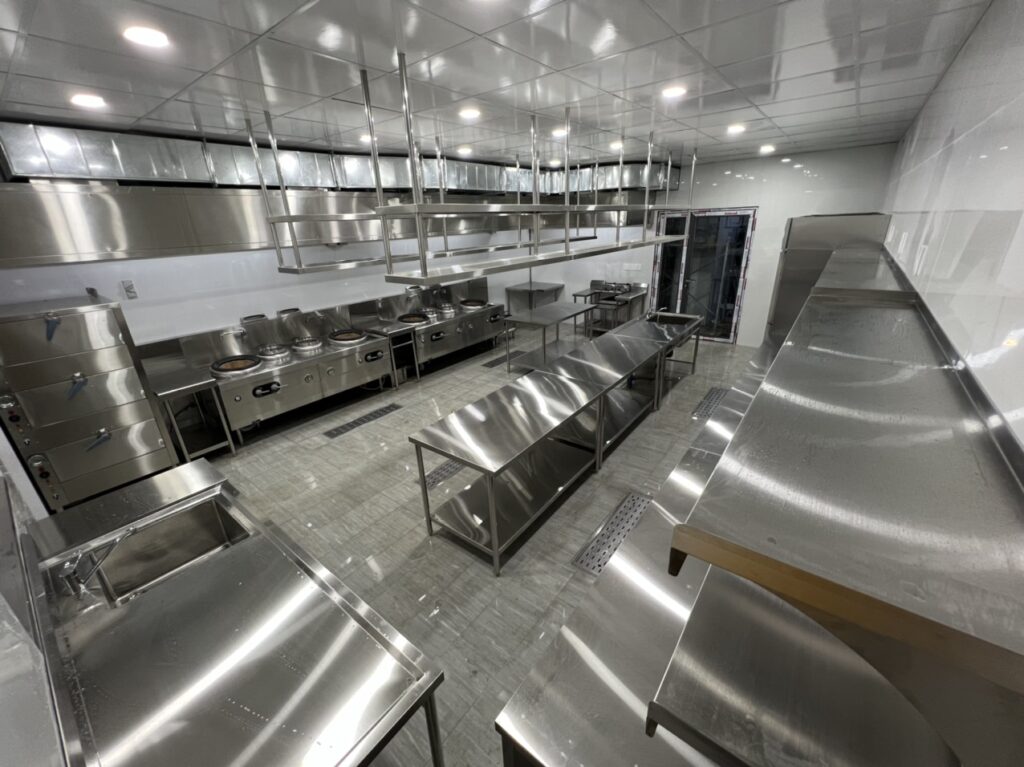
Assess the condition of commercial kitchens
To ensure food safety and maintain a clean kitchen environment, assessing the kitchen condition is an indispensable step. This process includes inspecting and identifying areas that need cleaning, and identifying equipment, tools, and areas with a high risk of bacteria.
Check and determine the area that needs cleaning:
First, the cleaning staff needs to check the entire kitchen space, from the processing area to the food storage area. Every small corner of the kitchen needs to be carefully considered, because dirt and bacteria can hide in places that are difficult to see with the naked eye. Documenting areas that are contaminated or show signs of dirt accumulation will help determine cleaning priorities.
Identify equipment, tools and areas at high risk of bacteria:
Equipment and utensils that come into frequent contact with raw food, such as knives, cutting boards, and preparation surfaces, are areas at highest risk for bacterial growth. Areas such as the sink, food storage and refrigerator compartments also need special attention. Identifying equipment that is susceptible to contamination will help establish more effective hygiene measures, thereby protecting the health of both employees and customers.
By conducting a comprehensive audit, the kitchen not only improves hygiene quality but also builds trust with customers. Attention to every small detail will contribute to creating a safe, hygienic, and professional environment, thereby promoting sustainable development for the culinary establishment.
Timeline for cleaning commercial kitchens
The timeline for cleaning an commercial kitchen depends on many factors such as size, scale, type of food processed, number of customers and frequency of use. Below are some guidelines on the timeline for cleaning:
Daily
- Clean food contact surfaces: Including tables, cabinets, stoves, blenders, mixers and ovens. These are areas that are susceptible to infection and need to be cleaned immediately after each shift.
- Clean floors and walls: Helps remove dirt, grease and other contaminants, keeping the kitchen clean and safe.
- Clean cooking equipment: Such as stoves, ovens and microwaves to ensure there are no food residue or grease left.
- Cleaning refrigerators and freezers: Check and clean, ensuring food is stored in the best conditions.
- Clean the dishwashing area: Make sure this area is always clean to avoid contamination of eating utensils.
Weekly
- Clean the drainage system: Make sure there are no blockages and good drainage.
- Clean food storage areas: Check and clean shelves and cabinets to prevent mold and insects.
- Clean kitchen utensils: Including knives, cutting boards, pans and other utensils to maintain food quality and safety.
- Clean personal hygiene areas: Such as restrooms and hand washing areas for employees, help prevent infection.
Monthly
- Clean water filtration equipment: Ensure clean and safe water for food processing.
- Clean the ventilation system: Helps maintain fresh air and prevent odors.
- Clean hard-to-reach areas: Such as ceilings and nooks and crannies to prevent the accumulation of dust and insects.
In addition to the above fixed timelines, commercial kitchens also need to be cleaned immediately when incidents such as oil spills or food spills occur. This not only ensures food safety but also preserves the image and reputation of the culinary establishment. Establishing and following a specific cleaning schedule will make an important contribution to maintaining the cleanliness and safety of the commercial kitchen environment.

Entire commercial kitchen cleaning process career
The commercial kitchen cleaning process is a set of specific steps to ensure a clean and safe working environment. Below is the detailed process:
- All employees participating in the cleaning process need to wear uniforms to ensure professionalism and safety during work.
- Use cleaning solution and clean water to clean all surfaces of the stove, tables, cabinets and kitchen equipment, removing dirt, grease and bacteria.
- Wash and disinfect all utensils such as knives, pots, pans, chopsticks, plates, cups and other utensils after each use to prevent bacteria and disease-causing microorganisms.
- Ensure water and electricity sources meet the operating requirements of the kitchen and kitchen equipment, ensuring safety during work.
- Food needs to be stored in the refrigerator or freezer at a safe temperature to prevent the growth of bacteria.
- Classify foods to avoid cross-contamination and prevent infection between different types of food.
- Prepare food before starting cooking activities to reduce contact time with fresh food and ensure hygiene.
- Implement safe and hygienic cooking procedures, ensuring food is not contaminated during processing.
- Wash and disinfect dishes and glasses after use to ensure no bacteria and microorganisms remain.
- Clean floors and kitchen floors, remove dirt and bacteria, maintain a clean environment.
- Ensure toilets are clean, prevent unpleasant odors and protect employee health.
- Store and dispose of garbage properly, avoiding pollution and unpleasant odors in the kitchen.
- Regularly check and maintain kitchen equipment to ensure they operate effectively and safely.
- Perform regular supervision and inspection of the commercial kitchen cleaning process to ensure the steps are followed properly and are highly effective.
Strict implementation of hygiene procedures not only protects the health of employees and customers but also creates a professional image for the culinary establishment. A clean kitchen environment is the foundation for sustainable success in the culinary industry.

 Facebook
 Zalo
Zalo