- commercial kitchen Equipment, News
Everything about Combi ovens
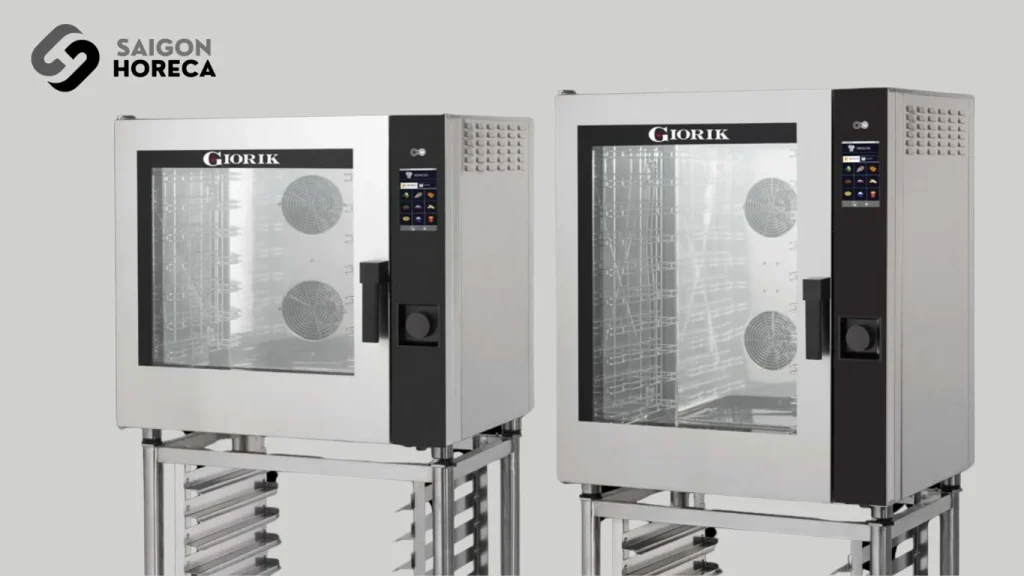
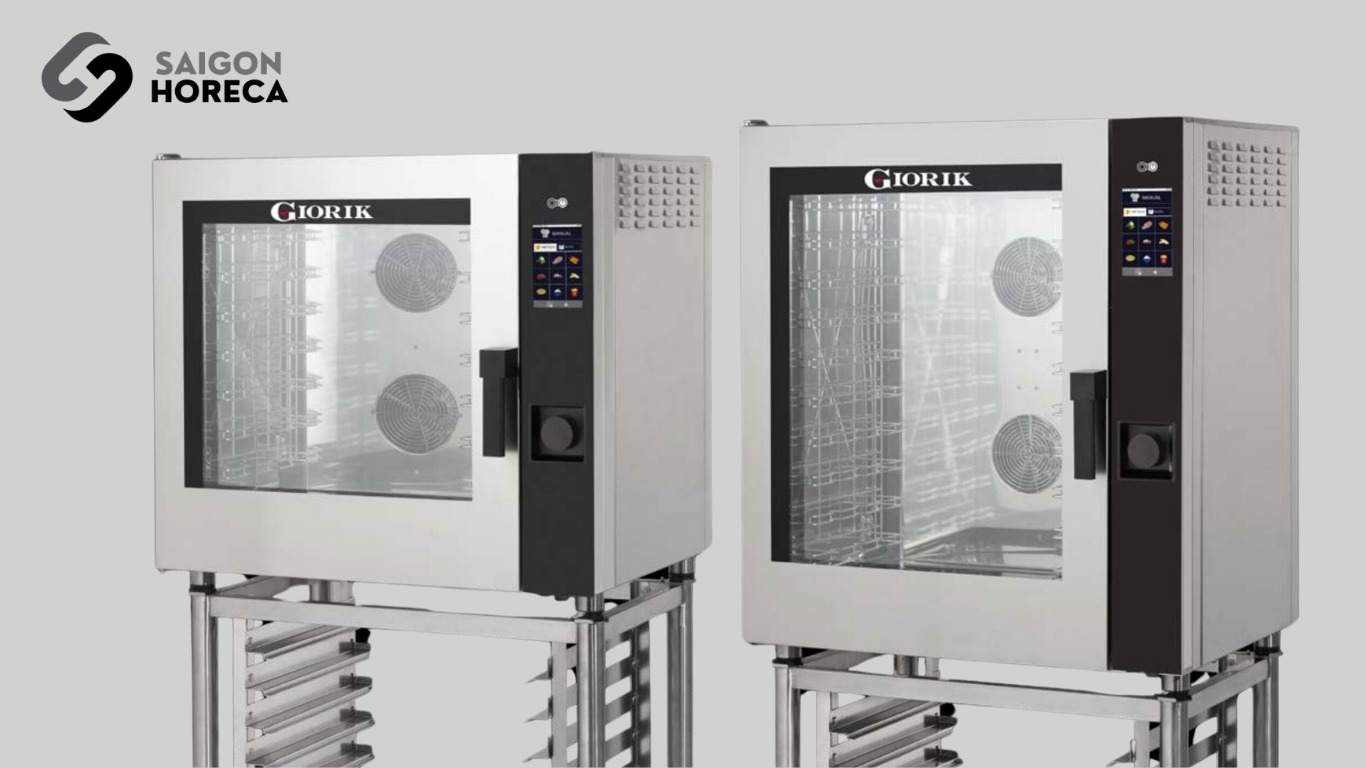
Combi ovens are gradually becoming indispensable equipment in restaurants, hotels and commercial kitchens thanks to the ability to combine baking, steaming and many flexible cooking modes.
With optimization of time, energy and food quality, Combi ovens provide a comprehensive solution for modern food processing. This article will provide all information about Combi ovens, from operating principles to outstanding benefits compared to traditional ovens.
Article content
Introduction to Combi oven
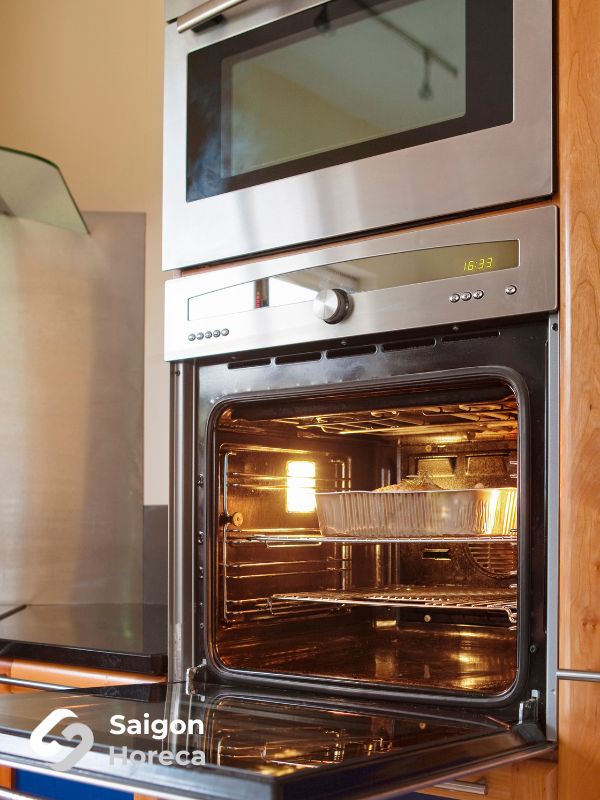
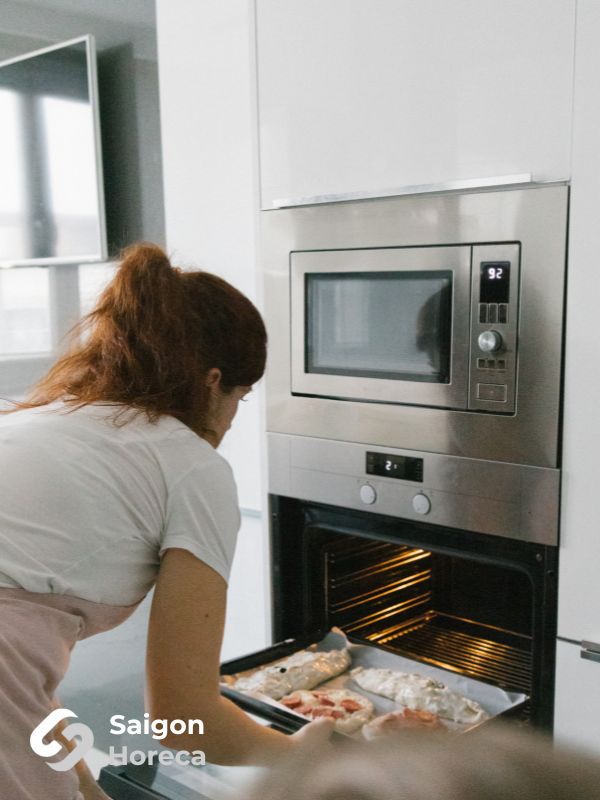
Combi oven, also known as multi-function oven, is a modern appliance in the culinary industry, integrating three main cooking methods: dry heat grilling, steam steaming, and combination of dry heat and steam.
In particular, with the ability to precisely control temperature and humidity, the Combi oven allows chefs to prepare a variety of complex dishes while still maintaining freshness and natural flavor.
Combi ovens not only help optimize the cooking process in restaurants and hotels but are also an energy-saving solution, reducing operating costs. With the ability to perform many functions in one device, it has become the most popular industrial oven in professional kitchens around the world.
Combi oven’s operating principle
How the Combi oven works (steam, temperature)
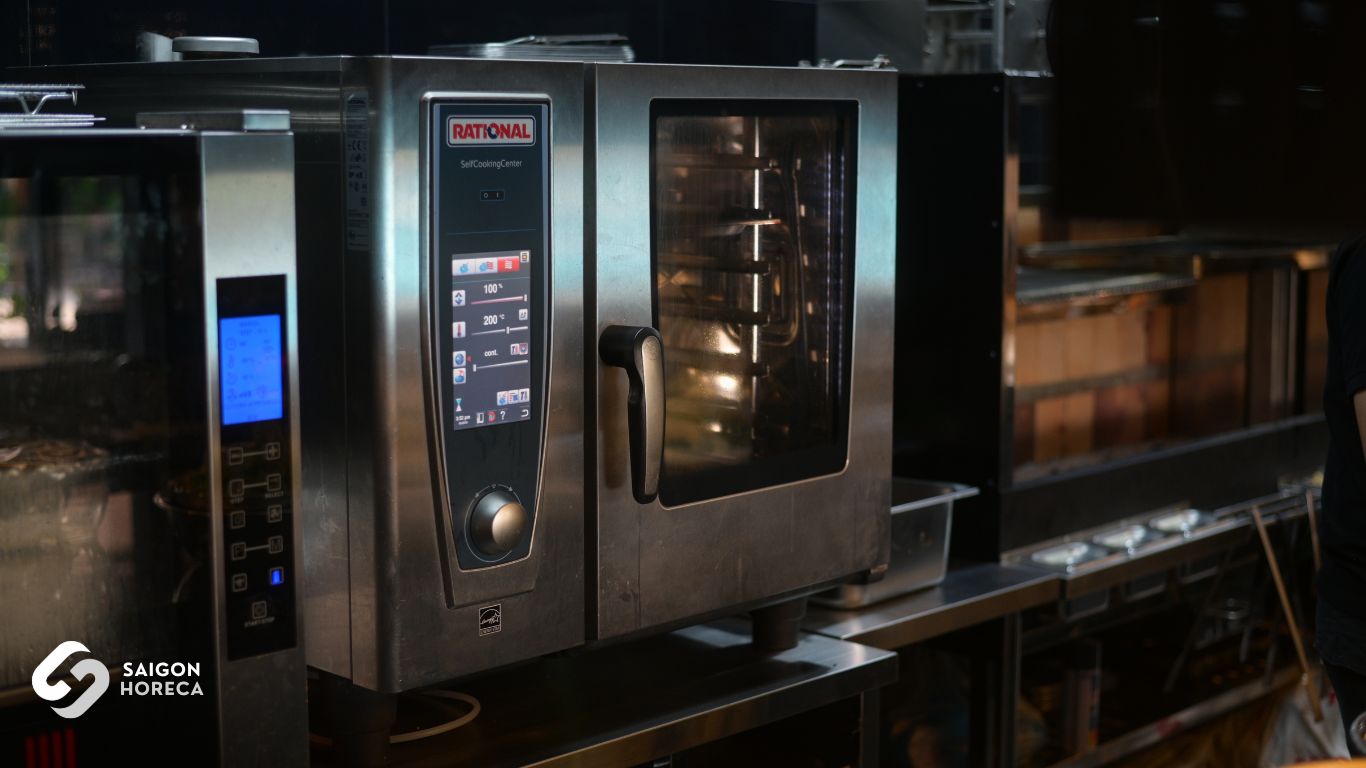
The Combi oven is a multi-function device, operating based on three main modes: steam, dry heat, and combination between these two factors.
Dry Heat mode:
In this mode, the Combi oven operates like a traditional oven, using dry heat to cook food. The temperature can be adjusted from 30°C to more than 300°C, suitable for grilling meat, bread, or foods that need crispness. The convection fan in the oven helps distribute heat evenly throughout the baking space, helping food cook evenly from the inside out.
Steam mode:
This mode uses steam to steam food. The water in the oven is heated to boiling temperature (100°C), then pumped into the cooking space as steam. This mode is ideal for steamed dishes, preserving the moisture and natural flavor of the food. In addition, steaming also helps preserve vitamins and minerals in vegetables and meat, ensuring nutritional value.
Combination Cooking:
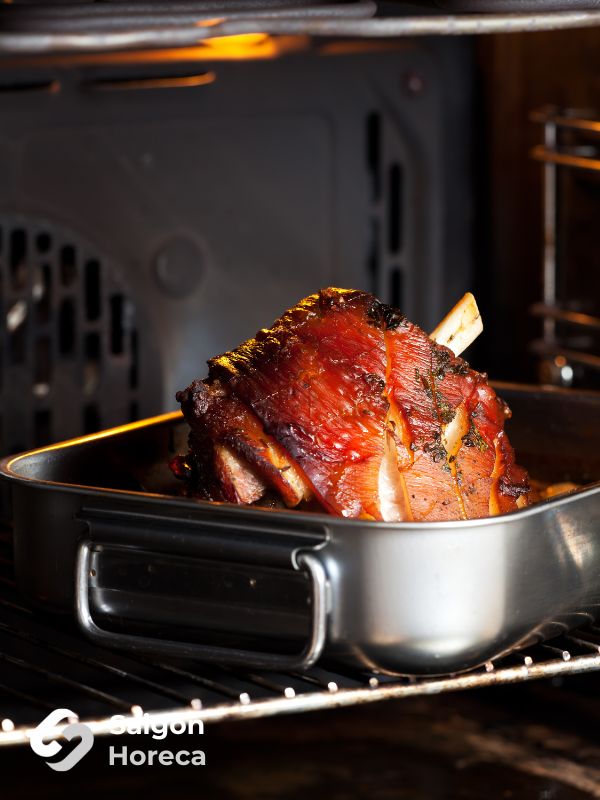
This is the most prominent mode of Combi oven, combining both dry heat and steam. The benefit of this combination is that it helps the food retain moisture inside thanks to steam, while the outside remains crispy and golden due to the impact of dry heat. This combination mode is suitable for dishes such as roasted chicken, fish, or grilled dishes that need to maintain softness without being dry.
In addition, the Combi oven is also equipped with advanced temperature and humidity sensors, allowing users to precisely control the cooking process. This helps optimize food quality, minimizing dependence on the chef’s personal experience.
Comparison with traditional ovens
Compared with traditional oven, Combi oven has many outstanding advantages:
| Criteria | Combi oven | Traditional oven |
|---|---|---|
| Cooking method | Dry heat, steam, combination of both | Dry heat only |
| Control capabilities | Precise temperature and humidity control | Basic temperature control |
| Cooking time | Faster thanks to the combination of steam and heat | Longer cooking time |
| Food quality | Retains moisture, cooks evenly, preserves nutrition better | Food is prone to dryness, difficult to retain moisture |
| Features | Automatic, formula storage, many smart modes | Few features, manual operation |
| Application | Restaurants, hotels, commercial kitchens | Family or small kitchens with low capacity |
| Energy efficiency | Save energy, optimize cooking process | Consume more energy |
With outstanding advantages in flexibility, time saving, and food quality, Combi ovens have proven themselves to be an essential equipment in restaurants, hotels, and commercial kitchens.
Compared to traditional ovens, Combi oven is not simply a cooking appliance, but also an optimal solution for modern food preparation processes, helping to improve customer experience and business efficiency.
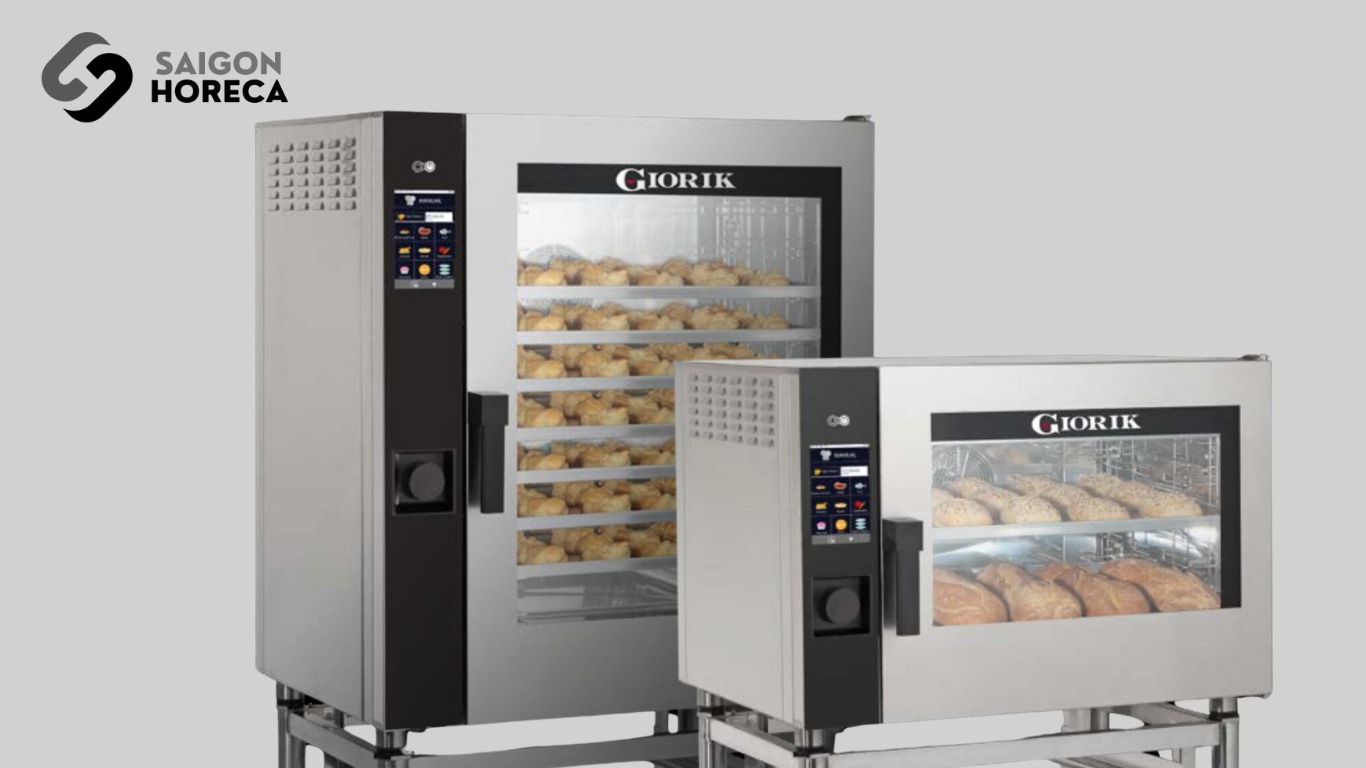
Advantages of ovens Combi
1. Flexibility in food preparation
The Combi oven stands out with the ability to grill, steam, and combine both modes, meeting a variety of food processing needs. This flexibility allows the device to handle a variety of dishes from baked goods, roasted meat, to steamed vegetables or seafood.
Chefs can use dry heat to cook food from the outside, or use steam to maintain moisture and preserve nutrients for sensitive dishes. In particular, the combination mode helps achieve the ideal balance between crispy on the outside and soft, moist inside, creating dishes with perfect flavor and texture.
2. Save time and energy
The Combi oven has the ability to save cooking time thanks to its precise heat and steam adjustment system. When steam mode is used, food cooks faster because heat transfers through steam faster than through dry air.
The powerful convection fan system in the oven also helps distribute heat evenly, reducing cooking time without having to rotate or flip food. By shortening cooking time, Combi ovens also consume less energy than traditional ovens, helping to save long-term operating costs.
3. Ensuring food quality
One of the biggest advantages of a Combi oven is its ability to retain the moisture and natural flavor of food. With steam steaming, food is cooked at low temperatures without dehydration, preserving vitamins and minerals, especially important for vegetables, seafood, and other steamed dishes.
This not only ensures nutrition but also enhances the experience of enjoying food, as the food remains fresh and soft. The combination of heat and steam creates the ideal balance between a crispy texture on the outside and a soft, succulent texture on the inside, ensuring dishes of superior quality compared to traditional cooking methods.
 Facebook
 Zalo
Zalo