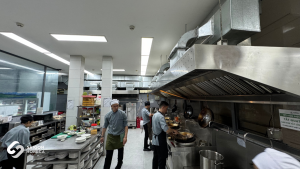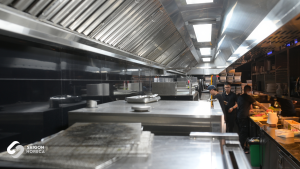

Energy saving solutions for industrial kitchens
Saving energy in industrial kitchens helps reduce operating costs and protect the environment, especially important when energy costs are escalating. Below are effective solutions to optimize energy use in industrial kitchens.
Choose energy-saving kitchen equipment
Modern industrial kitchen equipment is designed to optimize performance and minimize energy consumption. For example, gas stoves, electric stoves, ovens and steamers have automatic temperature adjustment functions or have microprocessors that help control energy use, avoiding unnecessary waste. Choosing equipment that meets energy saving standards, such as Energy Star certified products, will help you save a large amount of money.
Regular maintenance and upkeep of equipment
Regular maintenance and cleaning of kitchen equipment is extremely important. Kitchen appliances that are not regularly maintained will consume more energy because they will have to operate at low efficiency. Parts such as ovens, gas stoves or hoods need to be checked and cleaned regularly to ensure effective operation.
Use pots and pans with good thermal conductivity
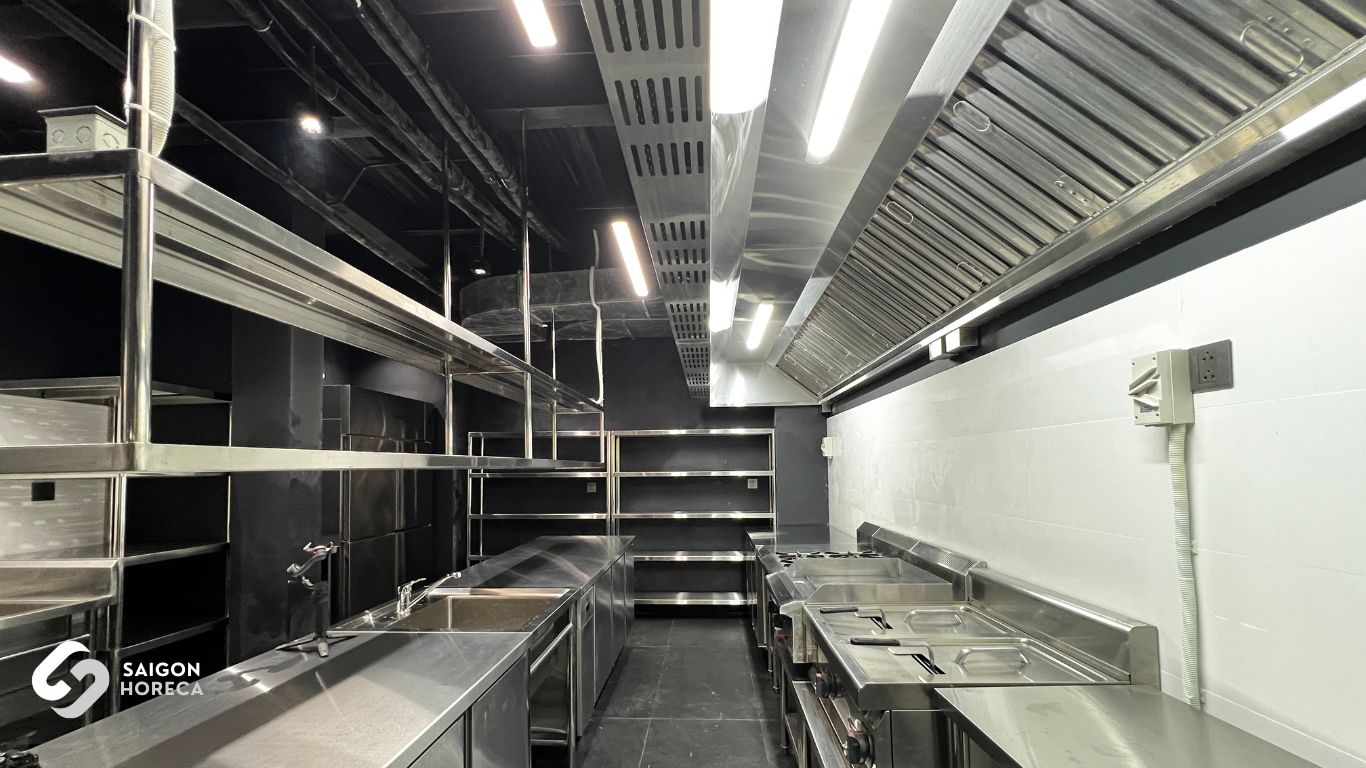
Choosing kitchen utensils with materials that conduct heat well will help optimize the cooking process. Pots and pans made from materials such as stainless steel, aluminum alloy or cast iron will help reduce cooking time, thereby saving energy. Besides, using pots and pans that are the right size for the stove will avoid wasting heat.
Apply energy-saving technology
Modern technologies such as convection ovens, induction cookers, and automatic ice makers can help save energy effectively. Convection ovens, for example, use fans to distribute heat evenly, helping food cook quickly and evenly, reducing energy use. Induction cookers, with the ability to focus heat on the cooking area, also help save significant energy compared to gas cookers.
Employee training on energy saving
Training kitchen staff on energy saving methods is an integral part of the strategy to reduce energy costs. Employees need to be instructed on how to use kitchen equipment optimally and effectively, and be aware of the importance of minimizing energy waste during food preparation.
History Use effective lighting and ventilation systems
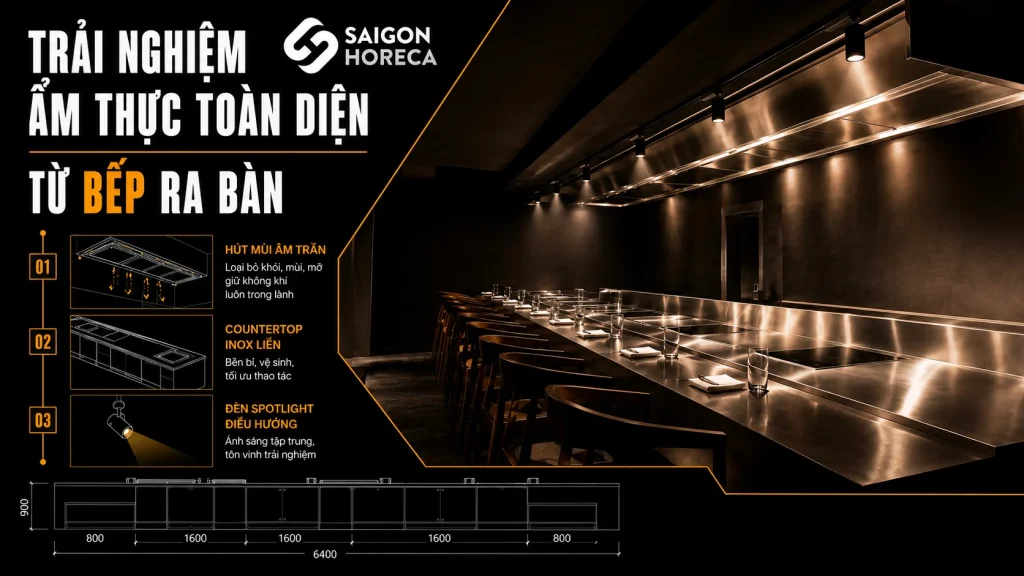
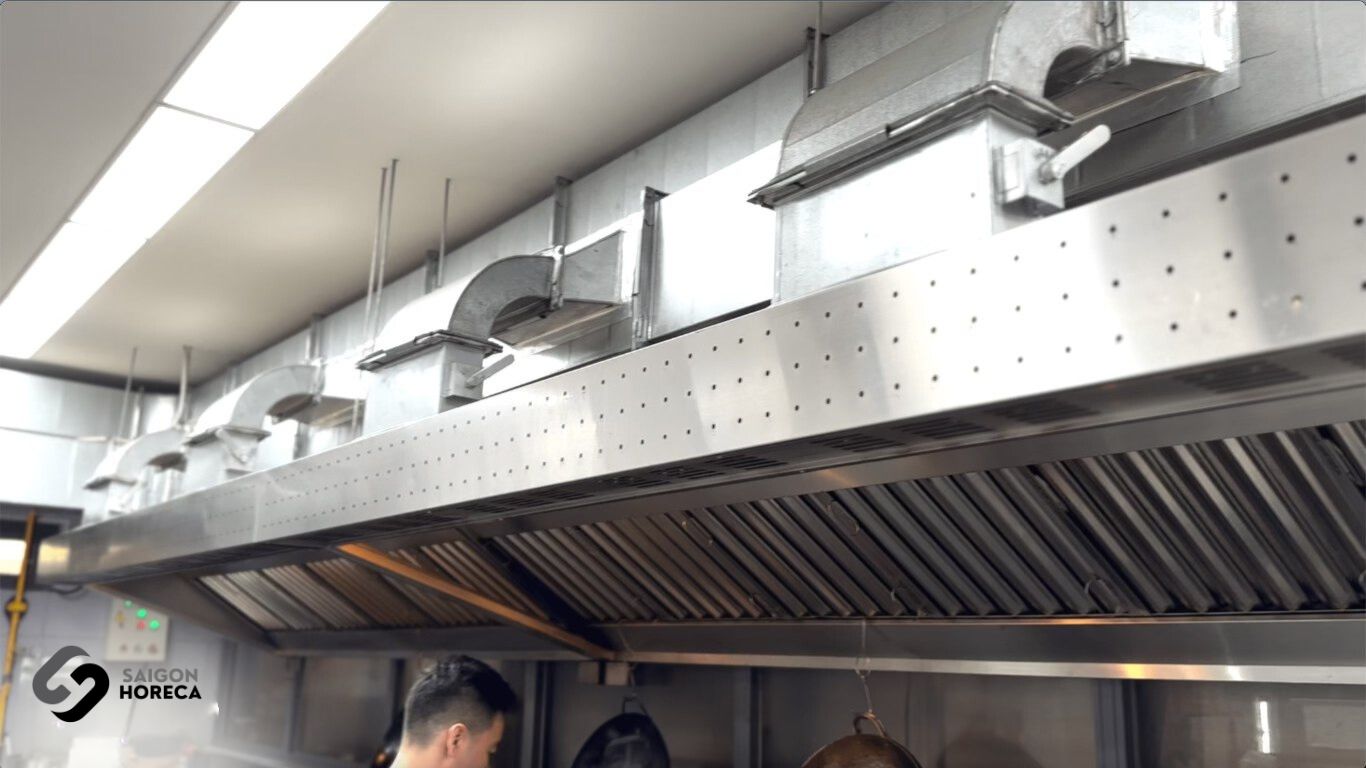
In addition to cooking equipment, kitchen lighting and ventilation systems also contribute to overall energy consumption. Using LED lights instead of halogen bulbs will help reduce electricity costs. For ventilation systems, it is necessary to ensure that exhaust fans and air conditioners operate at a moderate capacity and are properly maintained to avoid wasting energy.
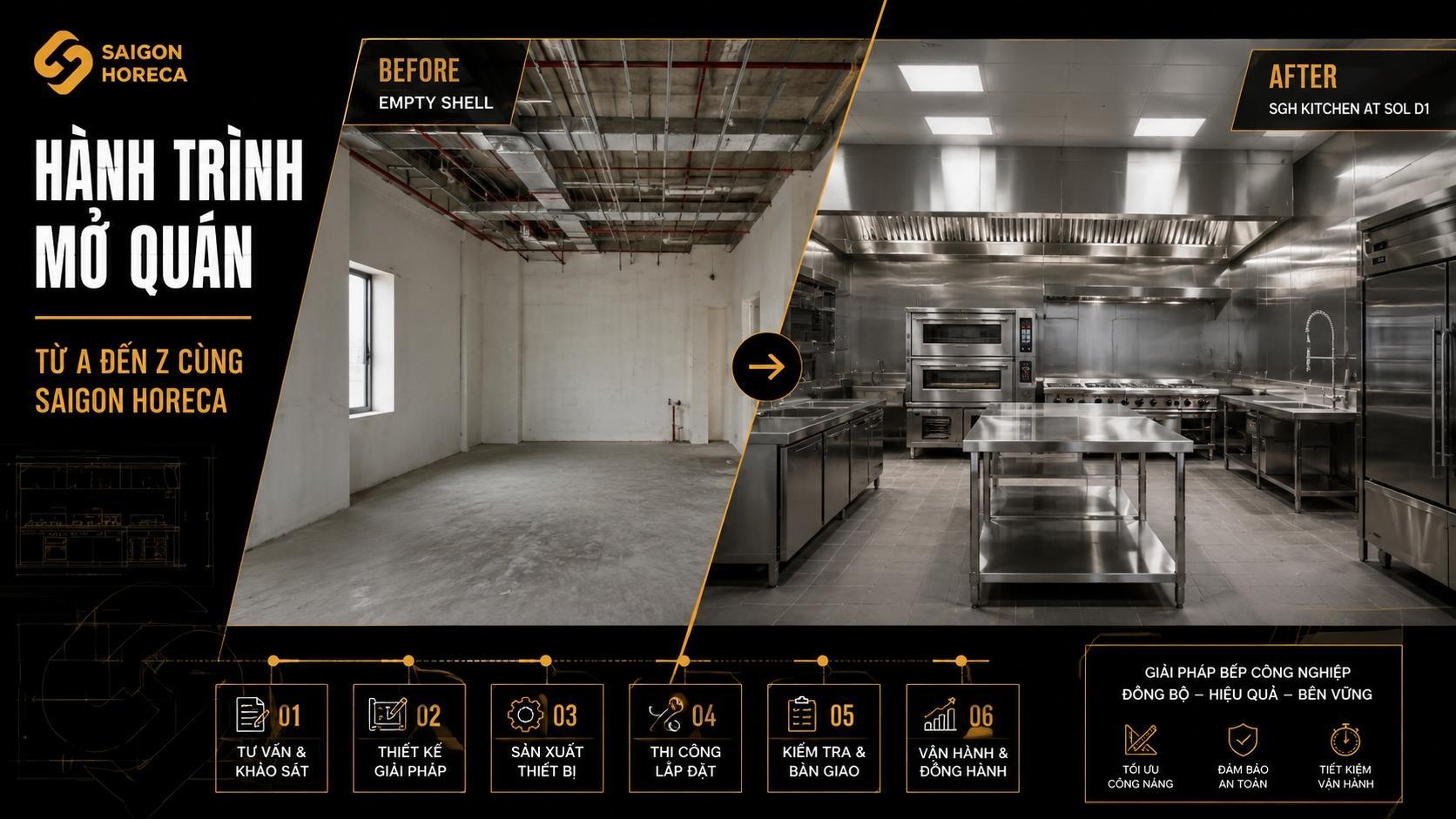
By choosing energy-efficient equipment, regularly maintaining equipment, applying modern technology and training employees, restaurants can maintain efficient and sustainable operations in the future. In particular, with industrial kitchen solutions from Saigon Horeca, you not only save energy but also optimize operating processes and improve work efficiency.
 Facebook
 Zalo
Zalo