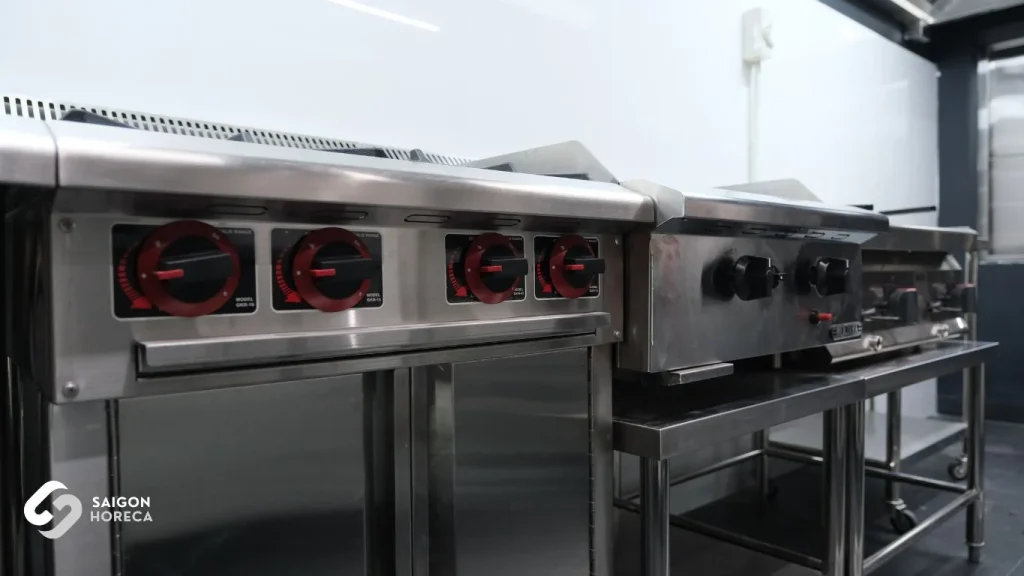
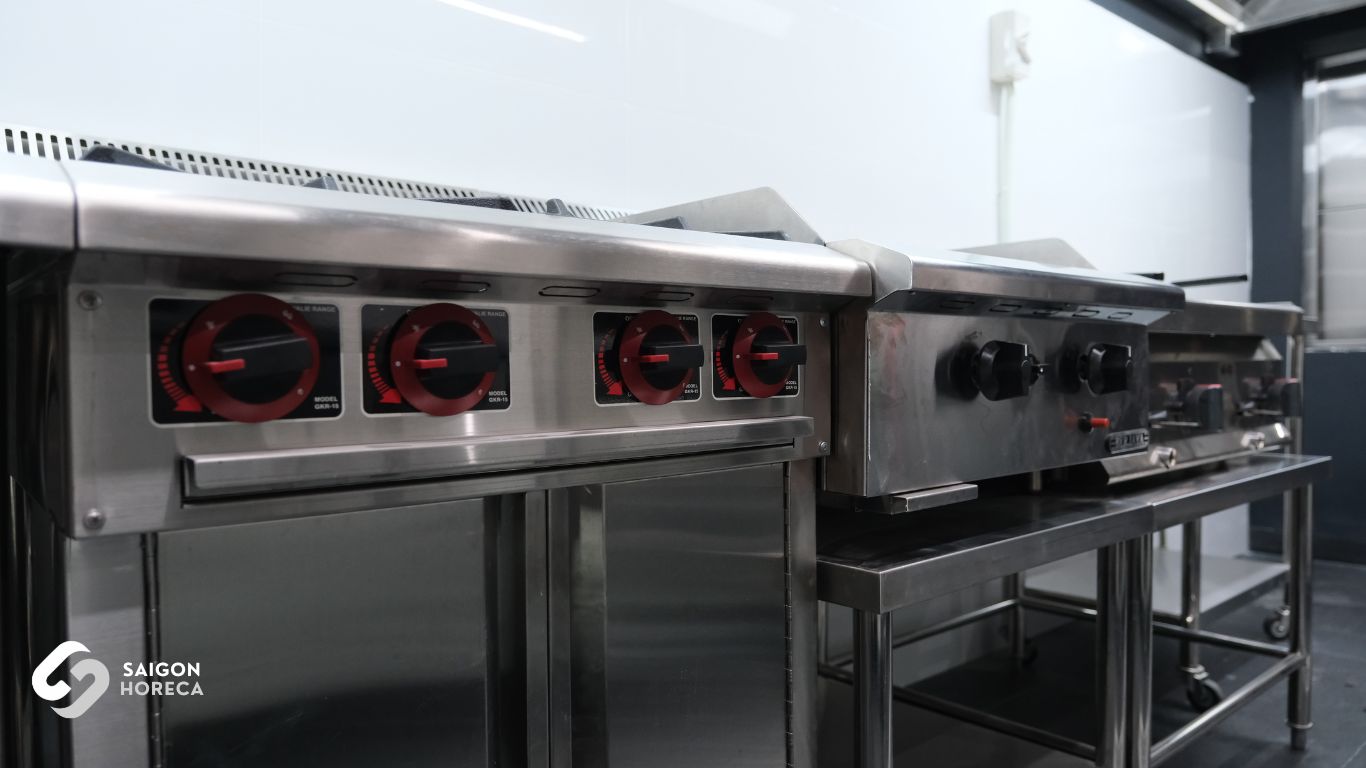
Specializing in maintenance, warranty and replacement of wire valve equipment gas, industrial gas system
Industrial gas plays an important role in kitchens of restaurants, hotels, industrial parks and manufacturing plants. However, over time, equipment such as gas valves, gas lines, pressure regulators can wear out, leading to the risk of leaks or reduced performance.
Just imagine: Just a small crack in a gas line or a stuck gas valve can cause serious problems, disrupt business operations and even lead to the risk of fire and explosion. That’s why maintenance, warranty and replacement of industrial gas systems is not only an option but also a mandatory requirement to ensure safety and continuous operation.
So when do you need to maintain or replace the gas system? What are the warning signs that the equipment is having problems? And which unit provides reputable, professional industrial gas maintenance services? Let’s find out with Saigon Horeca right in this article!
Why is it necessary to periodically maintain and warranty the gas system?
Industrial gas systems are the “lifeblood” of many large kitchens, restaurants, hotels and food production areas. A small incident can lead to serious consequences, not only affecting operations but also directly threatening human safety. Regular maintenance and warranty of the gas system is not only a preventive measure but also a decisive factor in the sustainability and performance of the entire system
1. Ensure safety – Prevent gas leaks & fires
Gas is a powerful source of energy, but also poses great risks if not controlled properly. Gas leaks can occur due to leaking valves, cracked gas lines, loose joints, or ineffective pressure regulators. Just a small spark from the stove, electrical outlet or equipment in an industrial kitchen can cause a serious fire.
Regular maintenance helps timely detect unusual signs, check system tightness, measure gas pressure and replace parts showing signs of deterioration. This not only protects people but also ensures a safe working environment, avoiding property damage and business disruption.
2. Optimize performance – Save fuel costs
A stable gas system not only helps the stove operate smoothly but also reduces fuel waste. When gas valves and pressure regulators are not periodically checked, gas supply performance can be affected, leading to unstable pressure and more gas consumption than usual.
Imagine, if a restaurant has a gas system that leaks even 1-2% per month, in a year the amount of gas lost could be enough to operate the kitchen for a few more weeks. Periodic maintenance helps ensure stable pressure, even fire, and optimized cooking process, thereby helping business owners save significantly on fuel costs.
3. Comply with fire prevention and fighting regulations
Industrial gas systems must meet the safety standards of the Fire Prevention and Rescue Police Department. Periodic inspection helps businesses meet legal requirements, avoiding the risk of being fined or suspended due to lack of safety.
There are many cases where businesses only perform maintenance when the authorities inspect, but by then it may be too late. Fire prevention is better than fire fighting, a gas system that is always maintained in good condition not only helps ensure legal operation but is also an important factor in protecting employees and customers.
4. Extend equipment life – Reduce unnecessary replacement costs
Devices in the gas system such as gas valves, gas lines, pressure regulators all have a certain lifespan. If not regularly inspected and maintained, they can deteriorate quickly, leading to unexpected replacement costs.
Instead of waiting until the equipment is completely broken before replacing it, periodic maintenance helps extend equipment life, detect damage early, thereby saving significant costs for businesses. A well-maintained system can be used for a long time while still ensuring high performance, helping investors optimize capital and maintain stable business operations.
When do you need to replace gas valves, gas lines, and gas systems?
Industrial gas systems operate continuously, subject to high pressure and harsh temperature environments. Over time, parts such as gas valves, gas lines, and pressure regulators can wear out, gradually lose performance, and even pose a potential safety risk. Identifying the right time to replace not only helps ensure stable operation, but also minimizes fire and explosion risks and optimizes costs.
1. When there are signs of leakage or deterioration
Gas leaks are the most dangerous potential risk in industrial gas systems. If you notice signs such as:
- Unusual gas smell around the use area.
- There is a small hissing sound coming from the joints and gas valves.
- Check with soapy water to see air bubbles appearing at the connections and gas lines.
When the above signs appear, you should stop use immediately and check the entire system. If the deterioration is serious, replacing gas valves, gas lines or gas systems is mandatory to ensure safety.
2. When the gas valve is stuck, the gas flow
cannot be adjusted
The gas valve plays the role of controlling gas flow, adjusting the appropriate pressure for each kitchen appliance. If you encounter the situation:
- Gas valve hard, difficult to turn, cannot be adjusted.
- Gas output is uneven, sometimes strong and sometimes weak, affecting cooking performance.
- The stove turns off suddenly because the valve does not supply enough gas.
These signs show that the gas valve is worn out or has an internal problem and needs to be replaced to ensure stable gas flow and avoid the risk of leakage.
3. When the gas line is cracked, damaged, and shows signs of aging
The gas line is the part that transmits gas from the tank to the stove, subject to high pressure and directly affected by temperature. Over time, the gas line may become:
- Cracking, cracking, abnormal flexibility due to material aging.
- Folds and folds appear affecting gas circulation.
- Leakage at joints due to loose tightening screws or abraded rubber.
Normally, gas lines need to be replaced every 1-2 years to avoid the risk of leakage. Absolutely do not use gas lines that are expired or show signs of deterioration.
4. When the system no longer meets the capacity used
As the business scale expands and gas consumption increases, the old gas system may no longer meet enough capacity. Signs that the system needs upgrading include:
- Gas pressure is unstable, the stove operates weaker than normal.
- The stove does not have enough heat to meet processing needs, affecting service speed.
- Many small repairs, but the system still does not guarantee performance.
In this case, it is necessary to consider replacing or upgrading the gas system to ensure industrial kitchen operations are always stable, fuel efficient and absolutely safe.
Saigon Horeca’s services – Maintenance and repair Operate & replace gas system
Industrial gas systems play an important role in operating restaurant kitchens, hotels, and collective kitchens. However, without regular maintenance, the system can experience problems such as leaks, reduced performance or even cause fire and explosion hazards. Saigon Horeca provides professional maintenance, warranty and replacement services for gas systems, helping businesses maintain stable, safe and cost-effective operations.
1. Check & evaluate the overall gas system
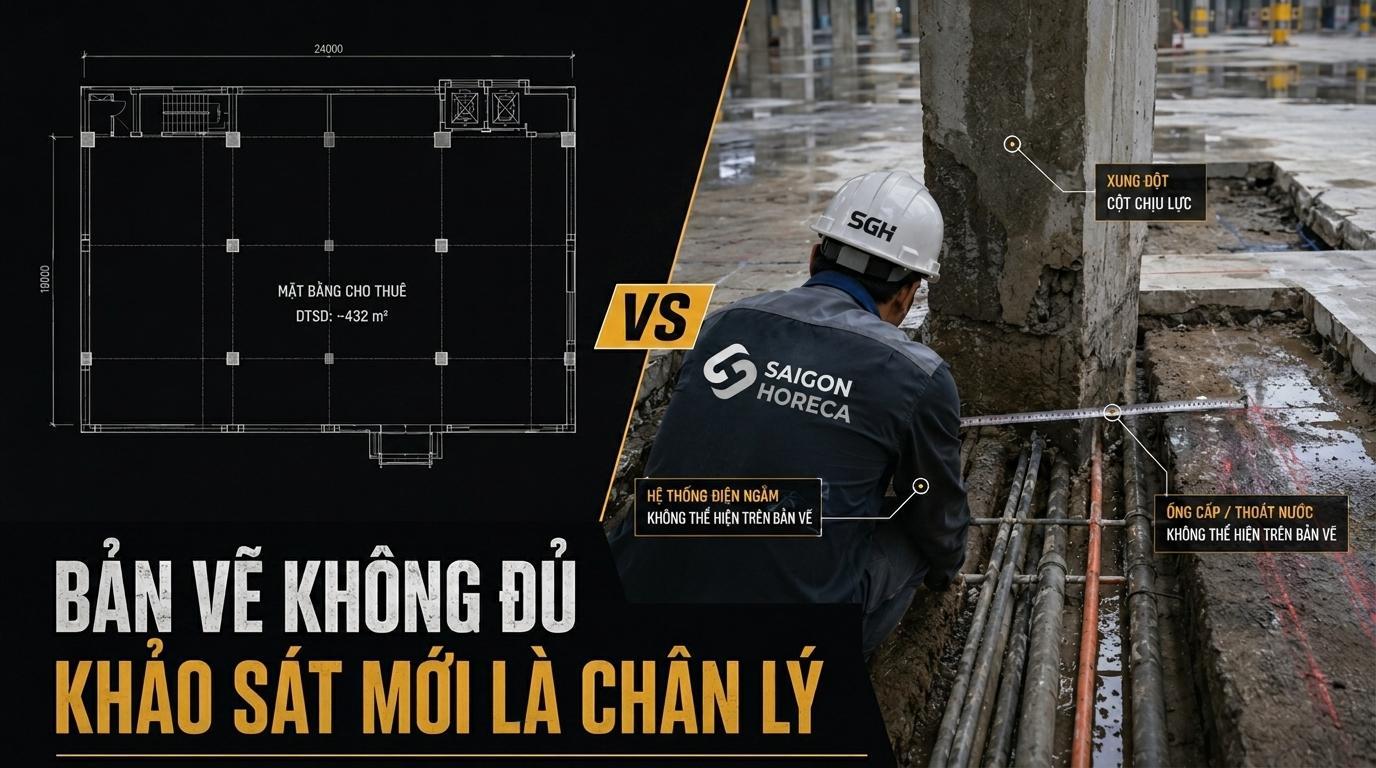
- Actual survey, assessment of system status.
- Check the tightness of connections, gas valves, and gas lines.
- Measure gas pressure to ensure the system operates stably.
- Provide solutions to repair, replace or upgrade if necessary.
2. Periodic maintenance – Ensure the system always works well
- System cleaning: Clean pipes, pressure regulators, industrial stoves.
- Tightness test: Detect leaks early, prevent the risk of fire and explosion.
- Gas pressure measurement: Ensures stable gas flow, optimal efficiency.
- Replace worn parts to prevent unexpected problems.
3. Repair & Replace – Quick and effective handling
- Replace gas valve when it is stuck, leaking or cannot be adjusted.
- Renew gas lines when there are signs of cracking, aging, or loss of elasticity.
- Replace pressure regulator when gas pressure is unstable.
- Repair and maintenance of industrial kitchens, ensuring the kitchen operates optimally.
4. Install & Upgrade gas systems according to safety standards
- Design & construction of new gas system according to fire safety standards.
- Upgrade system capacity to suit user needs.
- Consulting on fuel saving solutions, optimizing operating costs.
- Issue safety certificate after inspecting the gas system.
Why choose Saigon Horeca’s services?
With many years of experience in maintaining and installing industrial gas systems, Saigon Horeca is committed to providing quality, safe and effective services. A team of highly specialized technicians is always ready to quickly handle any problems, ensuring the gas system operates stably. We provide on-site service, 24/7 support, helping customers maintain operations without worrying about interruption. Besides, Saigon Horeca always proposes optimal solutions, helping to save maintenance and operating costs. Contact now to ensure your gas system always operates safely – stably – effectively!
 Facebook
 Zalo
Zalo