Canteen kitchen design consultation (canteen) meets standards
In the modern context, the canteen kitchen is not simply a place to provide meals for a large number of employees, students, or workers, but also plays an important role in creating an effective working and learning environment, ensuring health and food safety.
However, building and operating a standard canteen kitchen is no small challenge. This is why seeking professional canteen kitchen design consultants is an important step to ensure an efficient and sustainable commercial kitchen system.
In this article, Saigon Horeca will help you discover the most important criteria when designing a canteen kitchen, from working space to equipment systems and hygiene standards. With extensive experience and extensive expertise, we are committed to providing comprehensive solutions to meet all your needs.
Introduction to the role of the canteen in a collective environment
Canteen kitchens in collective environments such as schools, factories, hospitals or offices are not only a place to serve daily meals but also play an important role in maintaining the health and spirit of the entire group.
In any organization, meal quality contributes significantly to individual work and study performance. On the contrary, if the kitchen organization is not optimal, the service process is delayed or there is a lack of quality, this can negatively affect the morale and health of the group.
In addition to meeting dietary needs, canteens must also ensure strict requirements on food hygiene and safety. With frequent contact between hundreds, even thousands of people, each meal must be carefully prepared from ingredients, processing to storage, to ensure no food safety incidents occur.
Therefore, the role of the canteen kitchen in a collective environment lies not only in providing meals but also as the foundation for a healthy and effective working and learning environment. A properly designed kitchen system not only helps optimize operating processes and save costs, but also contributes to building a professional image and employee and student satisfaction with the organization.
2. Basic elements when designing a standard canteen kitchen
Proper space and circulation
A standard canteen kitchen must ensure optimization of space area, creating a seamless work flow and minimizing unnecessary movement.
Proper division of space helps prevent processing, cooking, and cleaning areas from overlapping, leading to chaos and reducing work efficiency.
Each area needs to have a clear location and logical connection to each other so that the workflow can take place quickly and effectively. This not only enhances productivity but also minimizes labor safety risks.
Suitable equipment
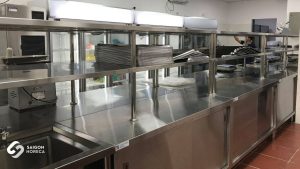
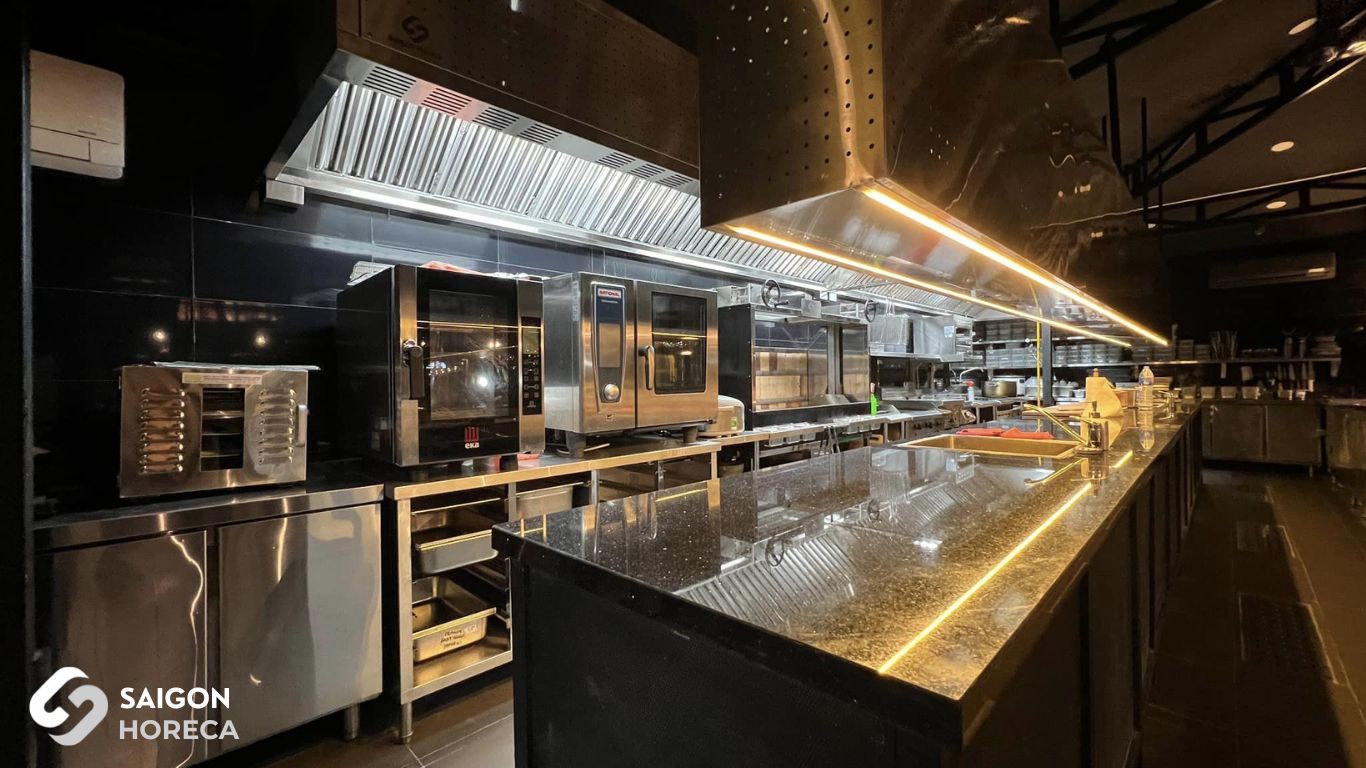
In a canteen kitchen environment, handling large volumes of food requires specialized industrial equipment that can meet the needs of continuous, durable operation.
Equipment such as ovens, high-power gas stoves, dishwashers, and industrial refrigeration systems not only need to be highly efficient but also must ensure safety and ease of use.
Choosing the right type of equipment not only optimizes the processing process but also helps minimize maintenance costs, prolong equipment life, and ensure consistency in meal quality.
Smoke extraction and fresh air supply system
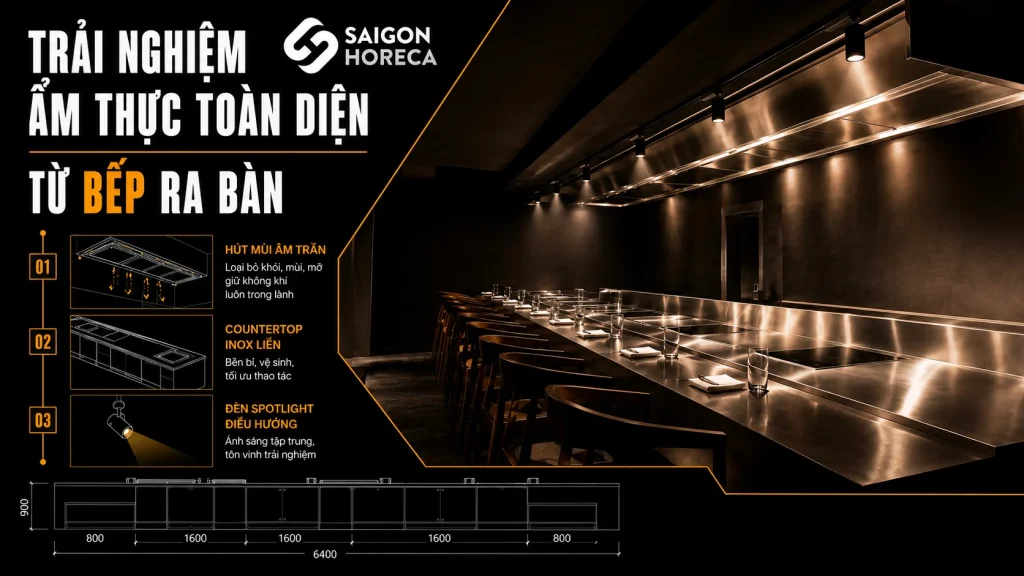
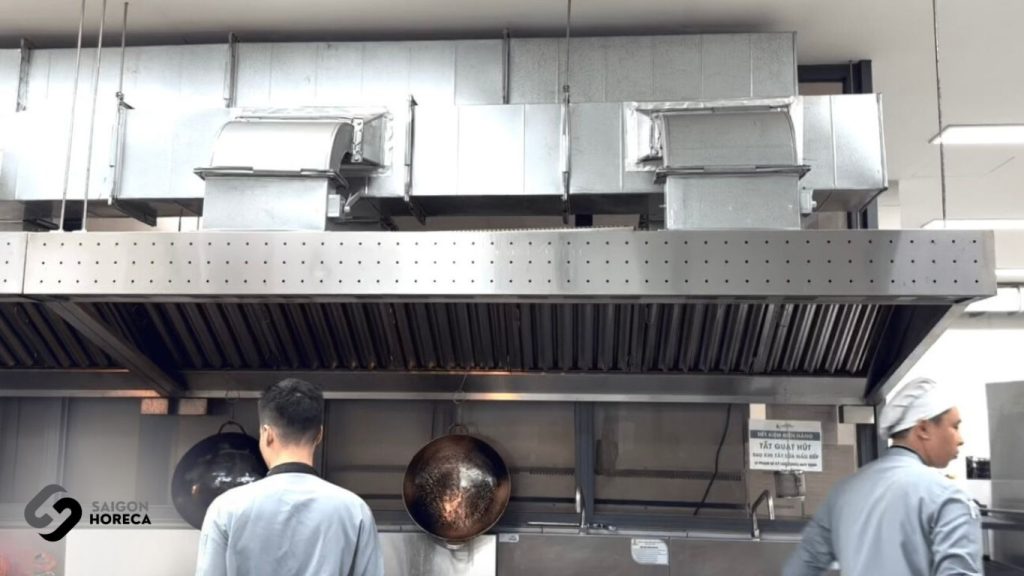
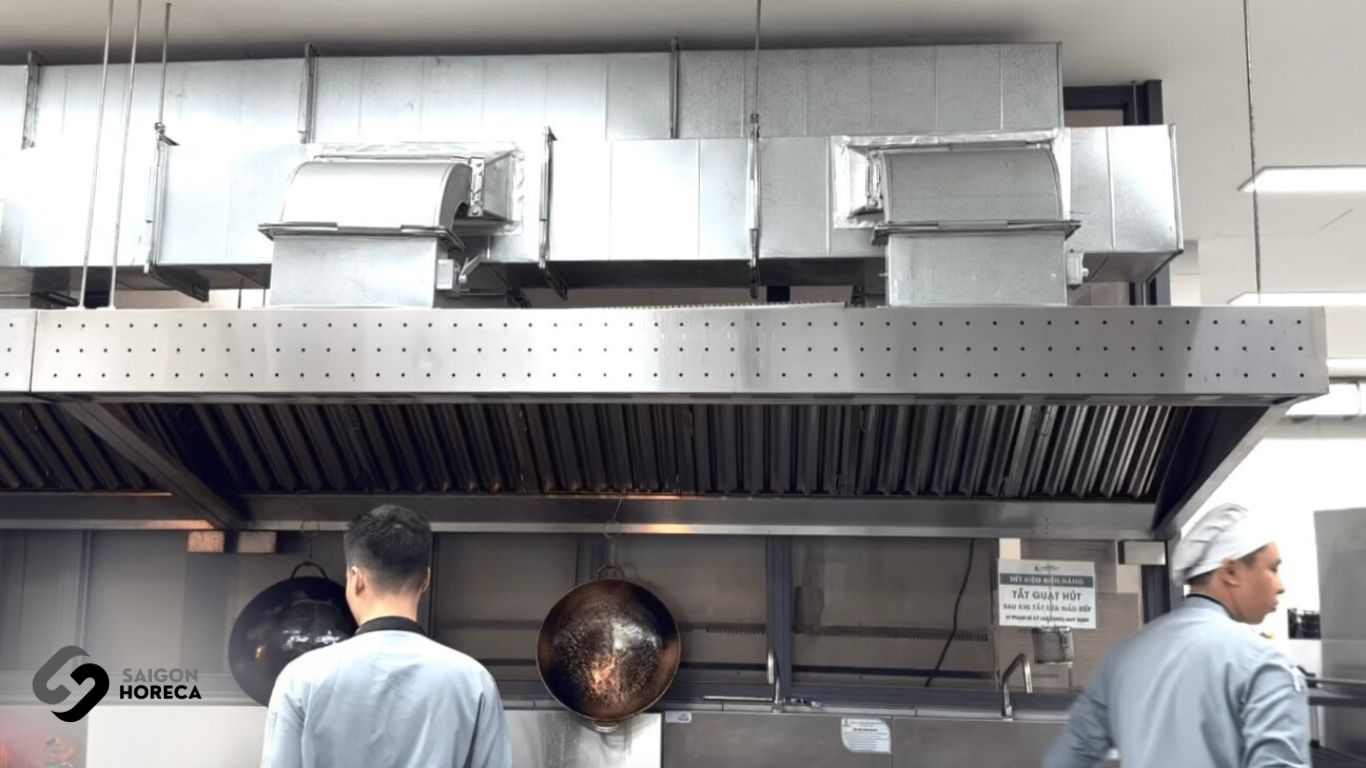
An industrial canteen (canteen) always faces a large amount of heat and smoke, so the smoke extraction and fresh air supply system is a key factor to ensure a safe and airy working environment.
This system must be designed to effectively remove heat, odors and smoke, keeping the kitchen space well-ventilated, minimizing the risk of air pollution and ensuring the health of employees.
In addition, a good smoke extraction and air supply system also helps preserve equipment and facilities from damage caused by smoke and moisture accumulation.
Arrangement of storage and processing areas
The scientific distribution between storage and processing areas is the deciding factor in the efficiency and hygiene of a standard canteen kitchen.
Storage areas need to be located near processing areas so that employees can easily access ingredients, and fresh and cooked foods need to be separated to avoid the risk of cross-contamination.
In addition, ensuring hygiene in each area is paramount to maintaining food safety, thereby preventing risks of harm to consumers’ health.
Mastering the above factors not only helps the canteen kitchen operate smoothly and effectively, but also ensures compliance with strict hygiene and safety standards, providing safe and quality meals to the community.
3. Standards for hygiene and food safety in canteen kitchens
Ministry of Health regulations on commercial kitchens
In canteen kitchen design, compliance with hygiene and food safety regulations of the Ministry of Health is extremely important to ensure a safe and legal food processing environment. The Ministry of Health stipulates that commercial kitchens must meet design and operating requirements to prevent the risk of food contamination, including:
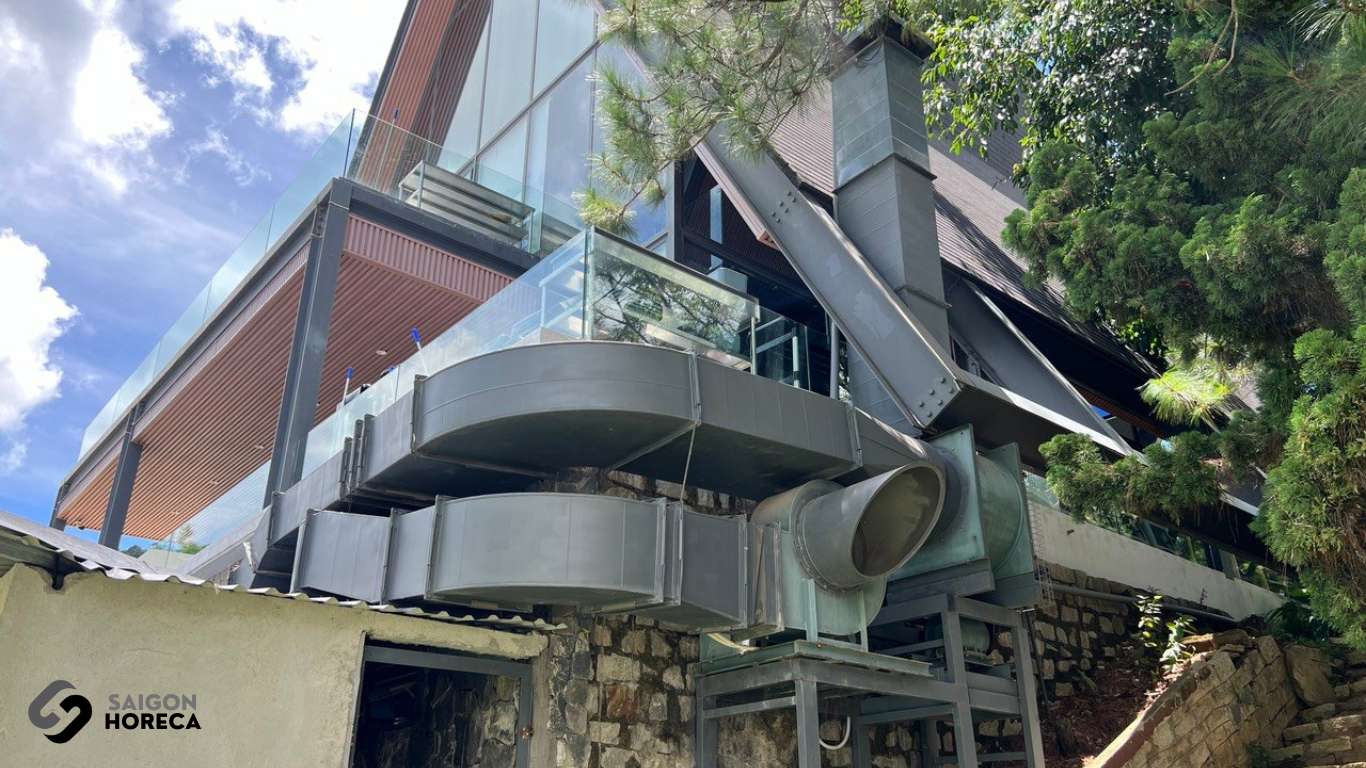
- Fume extraction system: The kitchen must have an adequate smoke extraction and fresh air supply system to ensure the air in the processing area is always fresh and not polluted by odors and smoke.
- Cleaning and maintenance: Food processing equipment and areas must be regularly cleaned and periodically maintained to prevent the growth of bacteria and mold.
- Certification and inspection: Canteen kitchens need to have a food safety certificate and are regularly inspected by authorities to ensure compliance with legal regulations.
How to design a separate processing area between raw and fresh foods nine
One of the basic requirements for food safety is a clear division between raw and cooked food processing areas. This is an important measure to prevent the risk of cross-infection. Canteen kitchen design should focus on:
- Raw food processing area: Needs to be equipped with separate equipment and utensils such as cutting boards, knives, and other processing surfaces. This area should be placed in a part of the kitchen so that it does not come into direct contact with the cooked food processing area.
- Cooked food processing area: Must be completely separated and equipped with cooking and processing equipment to ensure food is prepared in clean conditions.
- Contamination prevention measures: Use different colors for raw and cooked food handling equipment, and have strict cleaning procedures between these two areas.
Waste and wastewater treatment solutions
Effective waste and wastewater management is an important factor in maintaining hygiene and food safety in canteen kitchens. Solutions that need to be applied include:
- Waste collection and classification system: There should be clearly classified trash bins for each type of waste, including organic waste, recyclable waste and hazardous waste. This helps reduce contamination risks and improve waste disposal processes.
- Wastewater treatment: Canteen kitchens must have an effective drainage system to treat wastewater from processing and cleaning activities. This system needs to ensure that it does not pollute the water source and is maintained regularly to avoid clogging.
- Food waste treatment: Use food waste treatment technology such as trash compactors or biodegradation systems to reduce waste volume and improve treatment efficiency.
Complying with hygiene and food safety standards not only helps the canteen kitchen operate effectively but also protects the health of consumers, ensuring satisfaction and trust of the community. Investing in proper design and operations will bring long-term benefits to both the organization and food service users.
4. Benefits of a canteen kitchen designed to standards
Optimize operation and maintenance costs
A canteen kitchen designed to standards not only helps improve operational efficiency but also optimizes operating and maintenance costs. Rational design helps minimize waste of energy, water and raw materials, while minimizing breakdowns thanks to the use of high-quality industrial equipment and optimized operating systems.
- Energy efficiency: The kitchen is designed with energy-saving appliances and optimal ventilation systems, helping to reduce electricity and gas costs.
- Maintenance costs: Regularly maintained equipment and systems prolong the life of equipment and minimize the need for emergency repairs, thereby reducing maintenance costs.
Improve meal quality, contributing to customer/employee satisfaction
A canteen kitchen designed to standards not only ensures comfort and efficiency in food processing but also improves meal quality.
- Food quality: The processing process is scientifically organized, from storing ingredients to cooking, helping to ensure food is always fresh and safe.
- User satisfaction: Improvements in meal quality and efficient service will create higher satisfaction from customers and employees, contributing to improved working and learning morale.
Ensure food safety and hygiene, reduce the risk of violating legal regulations
Compliance with hygiene and food safety standards is a mandatory requirement for any canteen kitchen. A standard design helps ensure all relevant legal regulations are complied with, thereby reducing the risk of violations and legal issues related to food safety.
- Health protection: Processes and equipment are designed to ensure food hygiene, minimizing the risk of infection and food-borne diseases.
- Legal compliance: Designing and operating canteen kitchens according to standards helps organizations avoid legal issues related to violations of food hygiene regulations, protecting the reputation and sustainability of the business.
In short, a canteen kitchen designed to standards brings many practical benefits, from optimizing operating costs to improving meal quality and ensuring food safety and hygiene. Investing in professional design not only helps improve operational efficiency but also contributes to consumer satisfaction and safety.
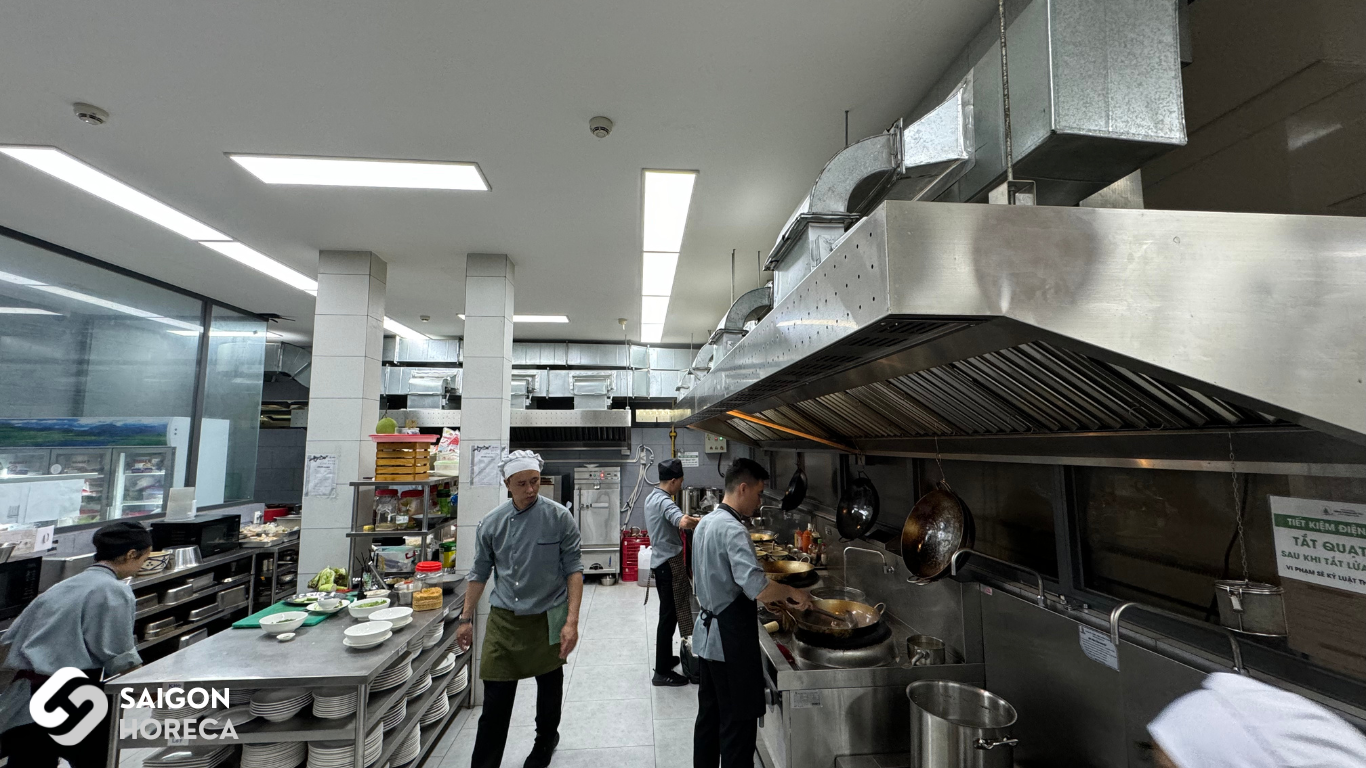
5. Saigon Horeca – Trusted partner in consulting and designing canteen kitchens
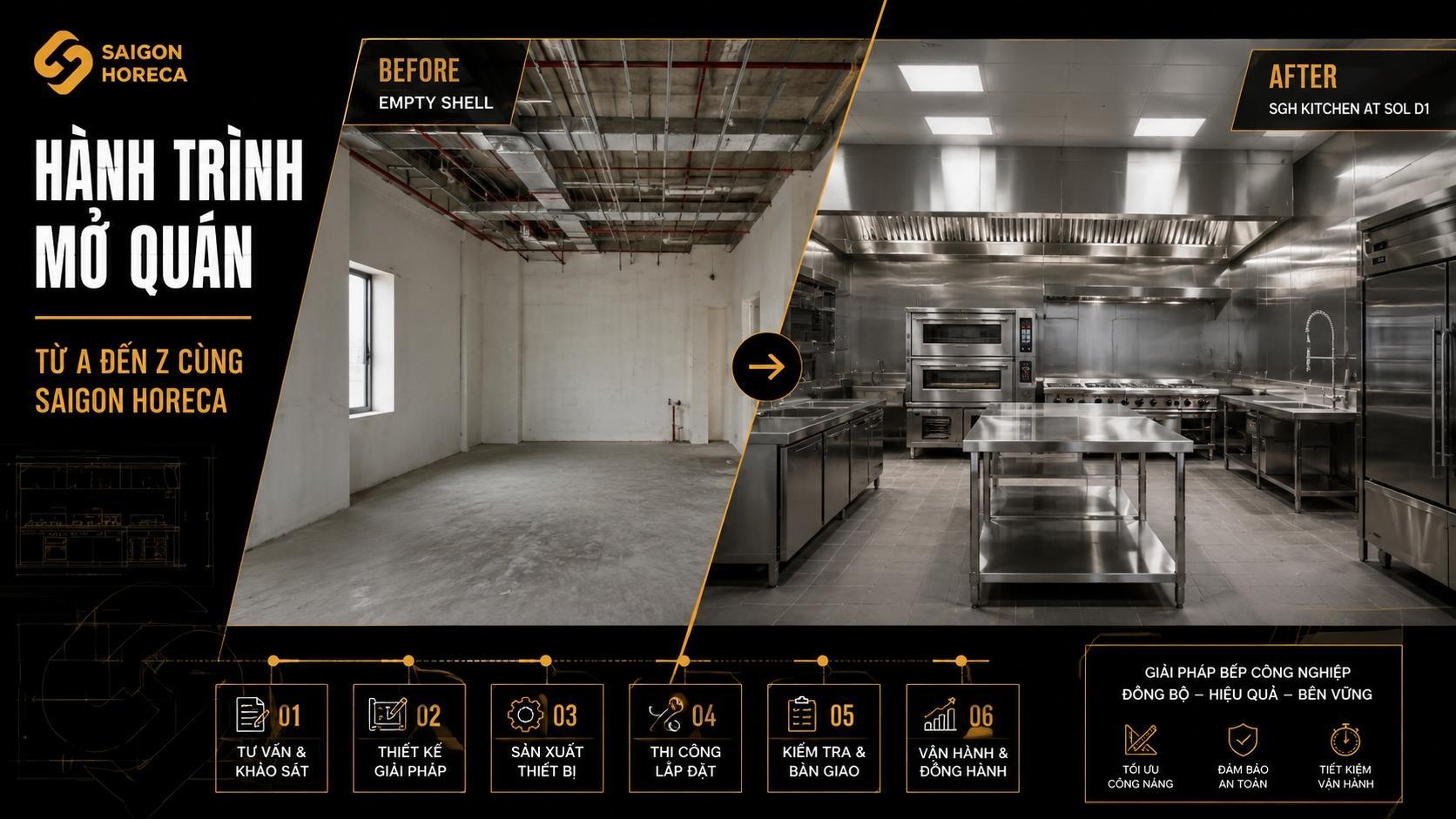
At Saigon Horeca, we are proud to be a reliable partner in the field of consulting and designing standard canteen kitchens. With extensive experience and a team of experienced experts, we are committed to providing a comprehensive solution to optimize your canteen kitchen design, from the planning stage to execution. Our services include:
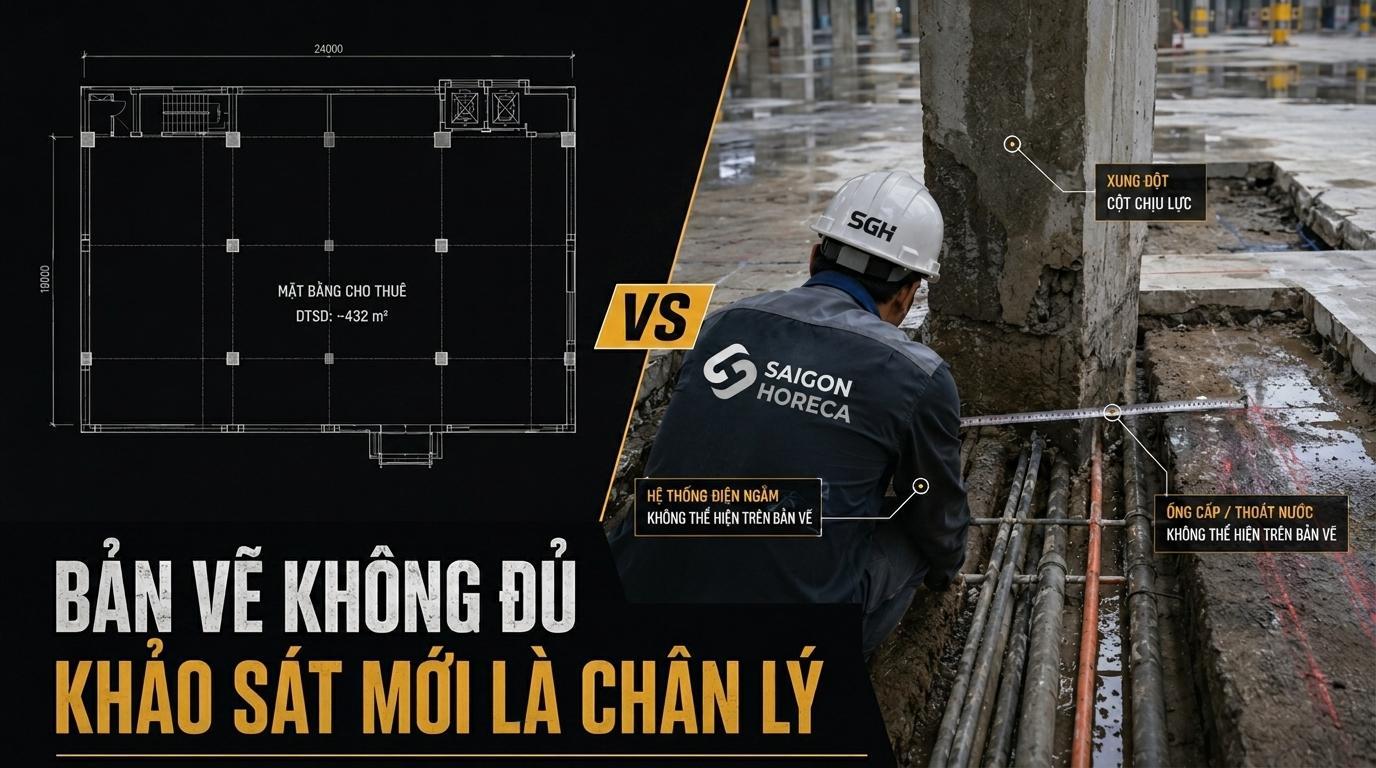
- Design consultation: We work closely with you to understand the specific needs and requirements of your canteen kitchen, thereby providing the most optimal design. This process includes space analysis, appropriate equipment selection, and ventilation and smoke treatment system design.
- Architectural and interior design: We provide kitchen design services according to international standards, ensuring an effective, safe and user-friendly working space.
- Equipment consulting and installation: Choosing high quality industrial equipment and ensuring correct technical installation is our strength, helping you save costs and improve operational efficiency.
Commitment and after-sales service after design
At Saigon Horeca, our commitment does not stop at completing the design but also includes dedicated after-sales service:
- Technical Support: We provide ongoing technical support after project completion, ensuring all equipment and systems operate properly and meet requirements.
- Maintenance and Repair: Regular maintenance and repair services are part of our commitment to ensuring your canteen kitchen maintains optimal performance.
- Improvement consulting: We are always ready to advise and propose improvements to improve operational efficiency and meet future changing requirements.
With professionalism and dedication, Saigon Horeca is committed to becoming a reliable partner in consulting and designing canteen kitchens, helping you achieve the highest satisfaction and optimal operating efficiency.
Successful Projects of Saigon Horeca
 Facebook
 Zalo
Zalo