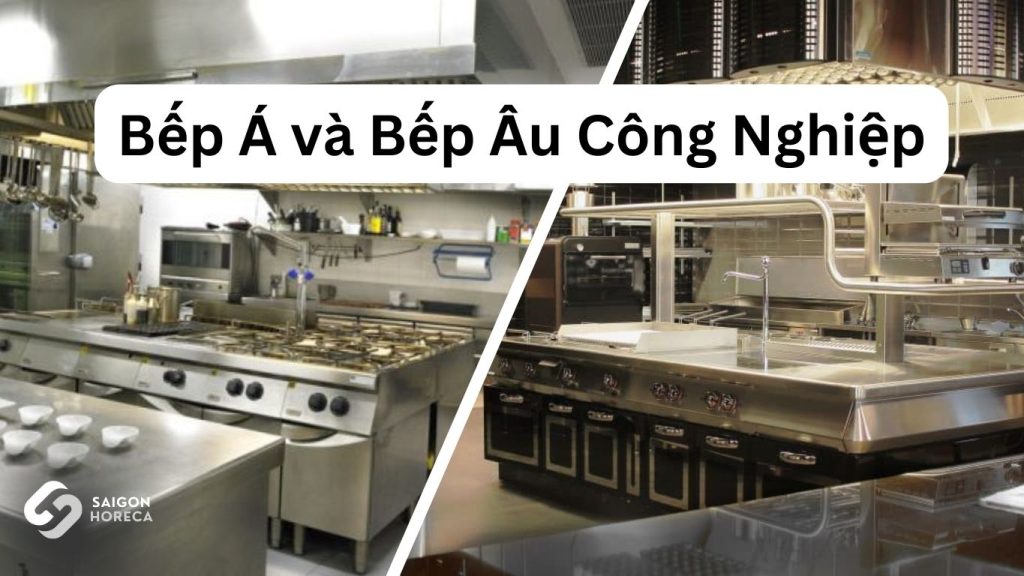
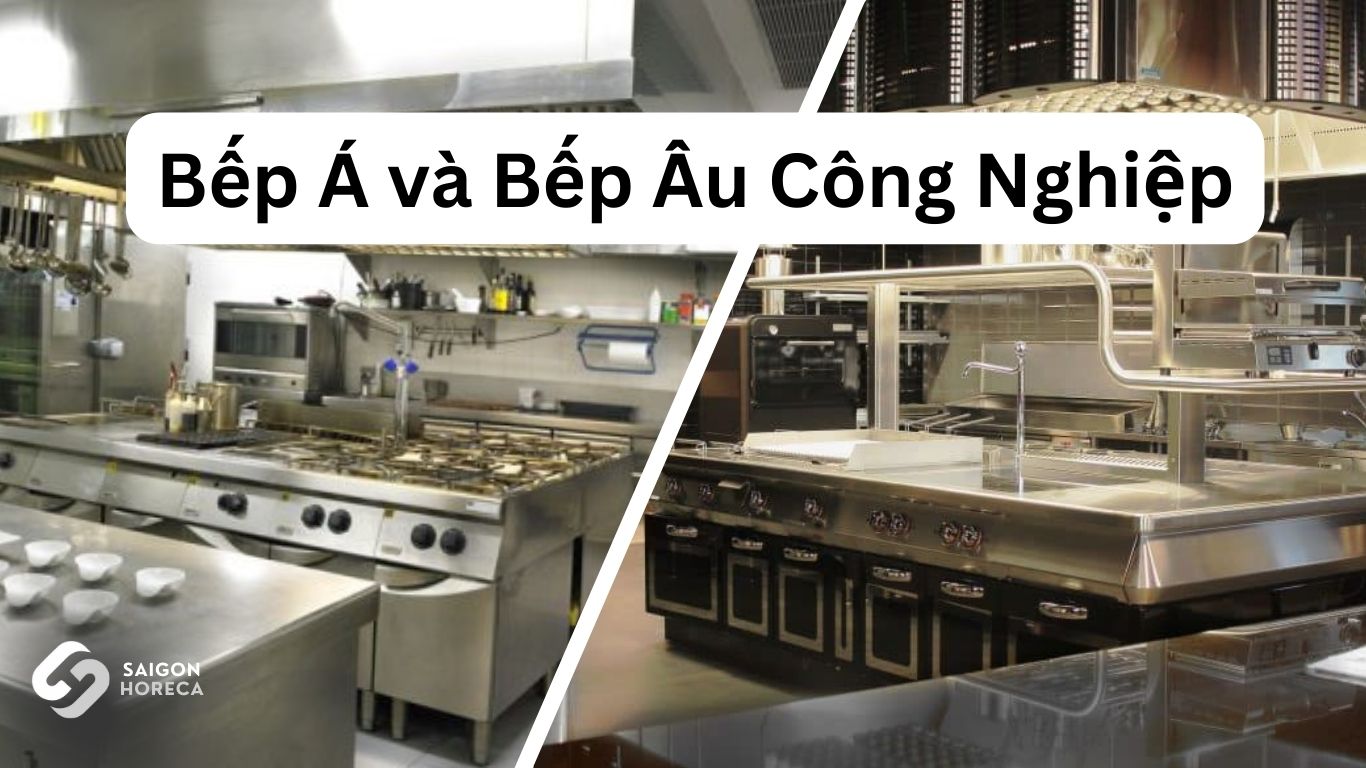
Distinguish the Difference Between European and Asian Industrial Stoves
Introducing into the culinary world, we will explore the typical kitchens of the two largest culinary cultures in the world: Asian Kitchens and European Kitchens. On the international dining table, the confrontation between these kitchen lines is not only a battle of technology, but also a clash of unique culinary characteristics. Today, we will immerse ourselves in the world of contrasting flavors, comparing the heat of the Asian Kitchen and the sophistication of the European Kitchen. Let’s explore together the unique characteristics, advantages and disadvantages, and a multi-dimensional view of traditional cooking art from two independent but attractive cultural perspectives.
How are European kitchens different from Asian kitchens? Conceptual distinction
In the diverse culinary world, Asian Kitchens and European Kitchens stand out as their own stars, bringing users to unique cooking experiences. This article will help you better understand the characteristics, advantages and disadvantages of both types of kitchens, thereby making smart decisions for your kitchen space.
How are European kitchens different from Asian kitchens? There are many ways to distinguish between European and Asian kitchens. In the first part, we will analyze the conceptual aspect so you can have the most comprehensive view. We will learn the definition of each type of stove:
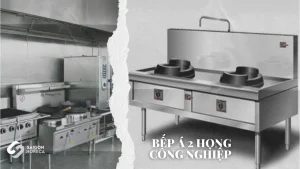
1. Discover the Advantages of Asian-commercial kitchens
- Large Capacity and Continuous Operation
Asian stove, with large capacity, provides the ability to cook continuously for a long time. This not only saves time but also ensures efficiency for culinary spaces that require speed.
- Large Capacity Gas Stove
The stove’s throat is designed with torch technology to help create a large and powerful flame, minimizing black smoke entering the pan. This increases efficiency and keeps food delicious.
- Faucets and Utility Plumbing
Asian stoves are often equipped with faucets and convenient water systems, helping to cool the stove surface during use. High quality materials such as 304 stainless steel keep water clean, convenient for cooking and cleaning the kitchen.
- Blower Fan
The blower fan in the Asian Kitchen design helps create a strong flame, meeting the requirements for speedy food processing. At the same time, reduce material consumption, save gas and costs.
2. What are the advantages of an industrial European kitchen?
- High Quality Kitchen Landscape Design
European stoves often have tables made from cast iron, providing a large surface area and good impact resistance. The durability of the ornament helps ensure safety and efficiency during the cooking process.
- Diverse Designs and High Aesthetics
Different from Asian Kitchens, European Kitchens focus on aesthetics in design. The variety of designs not only makes the kitchen space luxurious but also creates an artistic highlight.
- Diverse Processing Capabilities
European kitchens are often flexible in processing many different types of foods. This means you can unleash your creativity and diversify your menu.
3. Compare And Choose The Right One For Your Kitchen
Based on your cooking needs, kitchen space and personal preferences, you can choose between Asian Kitchen and European Kitchen. An in-depth understanding of the characteristics of each kitchen line will help you make the right decision.
Based on the two concepts we mentioned above, you can see that these two types of kitchens are different based on the style of dishes you want to bring to your diners. Besides, depending on the needs of restaurants and hotels, you can choose the most suitable type of stove.
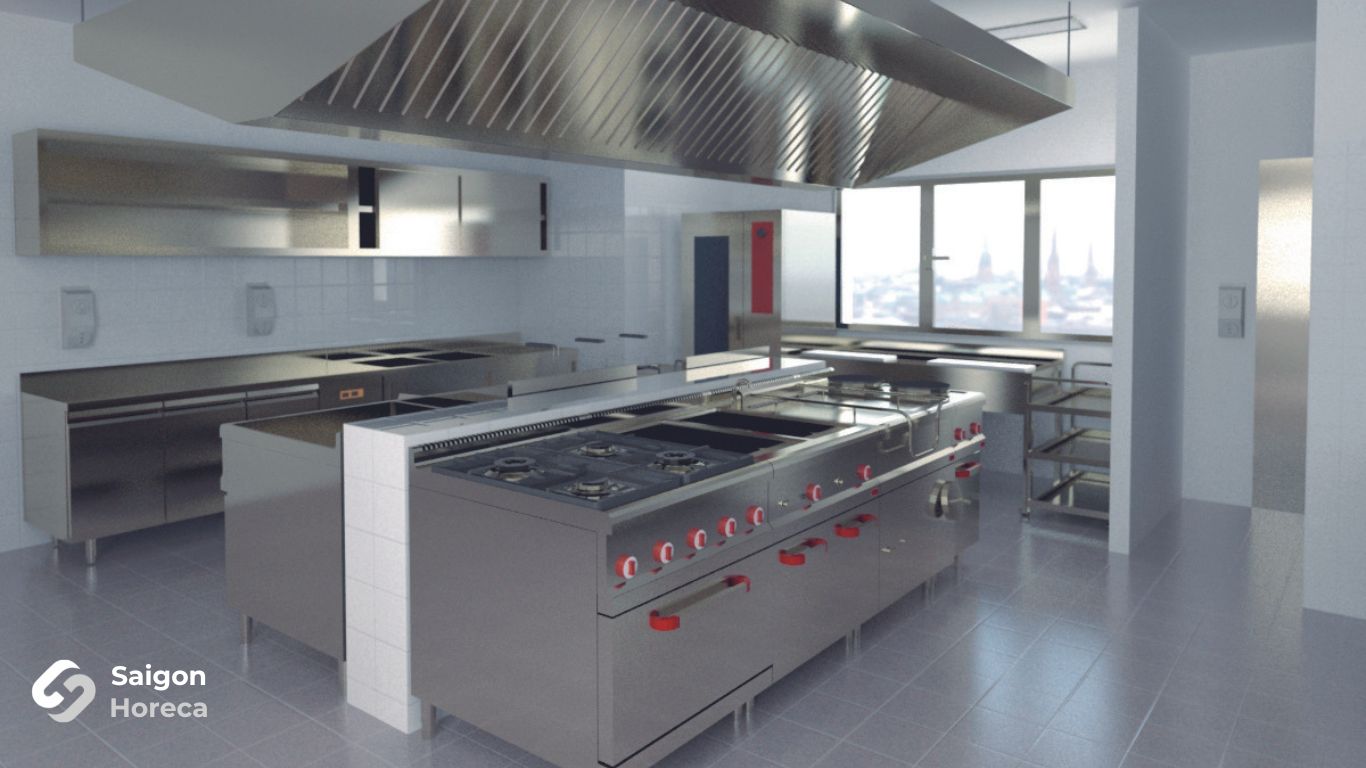

How is a European kitchen different from an Asian kitchen? Distinguish according to the structure of each type of stove
When asking the question how is a European kitchen different from an Asian kitchen? We often classify them according to ingredients and kitchen structure. Each type of stove has a different structure and ingredients depending on the characteristics and how to prepare each dish. Normally, we often distinguish these two types of stoves specifically as follows:
- For European kitchens, most European dishes focus on the sauce, so these dishes often have a long cooking time but a medium cooking temperature. Normally, European stoves often combine features and parts for cooking, frying, and baking to save costs when buying. Specifically, there are two types of European stoves: stoves with ovens and stoves without ovens. Stoves with ovens are often used to grill different dishes such as chicken, fish, pork, cakes… very convenient because they save cooking space as well as shorten operations, so they are more popular. In addition, European stoves are available that run on gas or electricity with 2-burner, 4-burner and 6-burner types depending on usage needs.
- Asian stoves require more sophisticated processing, so they are often divided into 3 types: stew stoves, stir-fry stoves and fryer stoves. Stew stoves often use gas to prepare braised, simmered dishes… The stir-fry stove has a 304 stainless steel stove shell 1.0 -1.2mm thick depending on the details of the specialized parts used to prepare stir-fry dishes. The stove’s throat is made of cast iron, cast with high technology, and has a long life. The burner belt is made of reinforced cast iron and is designed with a slider on the kitchen edge to firmly support the pots and pans for convenience and safety during the cooking process. A fryer is a specialized stove for fried dishes such as chicken, fish, meat, and potatoes. This type of stove will help the dish cook evenly and remove excess oil, so use it at the appropriate temperature of about 195-210 degrees Celsius.
In addition to the outstanding features of the European Kitchen, this commercial kitchen system is also equipped with many special support parts, helping chefs perform cooking tasks easily and effectively. The article has helped you have an overview of the differences between Asian Kitchens and European Kitchens. It’s important to choose based on your personal needs and priorities. Hopefully, through this article, you will find the most suitable choice for your cooking space.
 Facebook
 Zalo
Zalo