
- Saigon Horeca, commercial kitchen Equipment, News
Should I choose a freezer or an industrial refrigerator? Suggestions for each business model
In the F&B or food retail industry, preserving ingredients not only affects product quality but also determines operational efficiency and cost optimization. Between industrial freezer and industrial refrigerator, each device has its own role, but the wrong choice can lead to wasting electricity, reducing food quality, and even causing loss of revenue.
So what is the right choice for each business model? What should restaurants prioritize when choosing food preservation equipment? Should supermarkets and convenience stores use both types of cabinets? In this article, Saigon Horeca will help you deeply analyze each important factor, from technical characteristics, preservation performance to how to optimize storage space, helping you make the most accurate decision.
Article content
The difference between a freezer and an industrial refrigerator
In the food service and retail industry, choosing between industrial freezers and industrial refrigerators is not simply based on capacity or style, but also involves storage methods, food characteristics and operational efficiency. Understanding the difference between these two types of cabinets will help businesses optimize costs, ensure food quality and extend equipment life.
1.1. Industrial freezer – Long-term preservation, stable quality
Industrial freezers operate at temperatures from -18°C to -25°C, helping to slow down the growth of bacteria and enzymes, thereby extending food preservation time. This is the ideal choice for meats, seafood, processed foods or goods that require long-term storage.
Advantages:
- Maintain food quality for a long time without losing nutritional value.
- Minimize the risk of food spoilage, limit waste.
- Suitable for business models with large inventories, especially restaurants, commercial kitchens and frozen food chains.
Disadvantages:
- Higher power consumption due to the need to maintain extremely low temperatures continuously.
- The defrosting process takes time, requiring businesses to plan appropriate food usage.
1.2. Industrial refrigerator – Preserve freshness, more convenient
Unlike freezers, industrial refrigerators keep food at temperatures from 0°C to 8°C, suitable for vegetables, fruits, milk, beverages, prepared foods and ingredients that need to be used immediately in a short time.
Advantages:
- Easy to use, no need to defrost before processing, helping to save time for commercial kitchens.
- Preserve fresh foods better, especially green vegetables and dairy products.
- Lower power consumption compared to freezers.
Disadvantages:
- Shorter storage time, food can spoil quickly if not used promptly.
- Not suitable for long-term storage of food or frozen products.
Choosing between a freezer and an industrial refrigerator depends on your storage needs, food type, and business model. If your business needs to preserve food for a long time, a freezer is the optimal choice.
On the contrary, if you need to ensure fresh food is always ready to serve, a refrigerator will be the right solution. To optimize efficiency, many businesses combine both types of cabinets, creating a more scientific and flexible food preservation system.
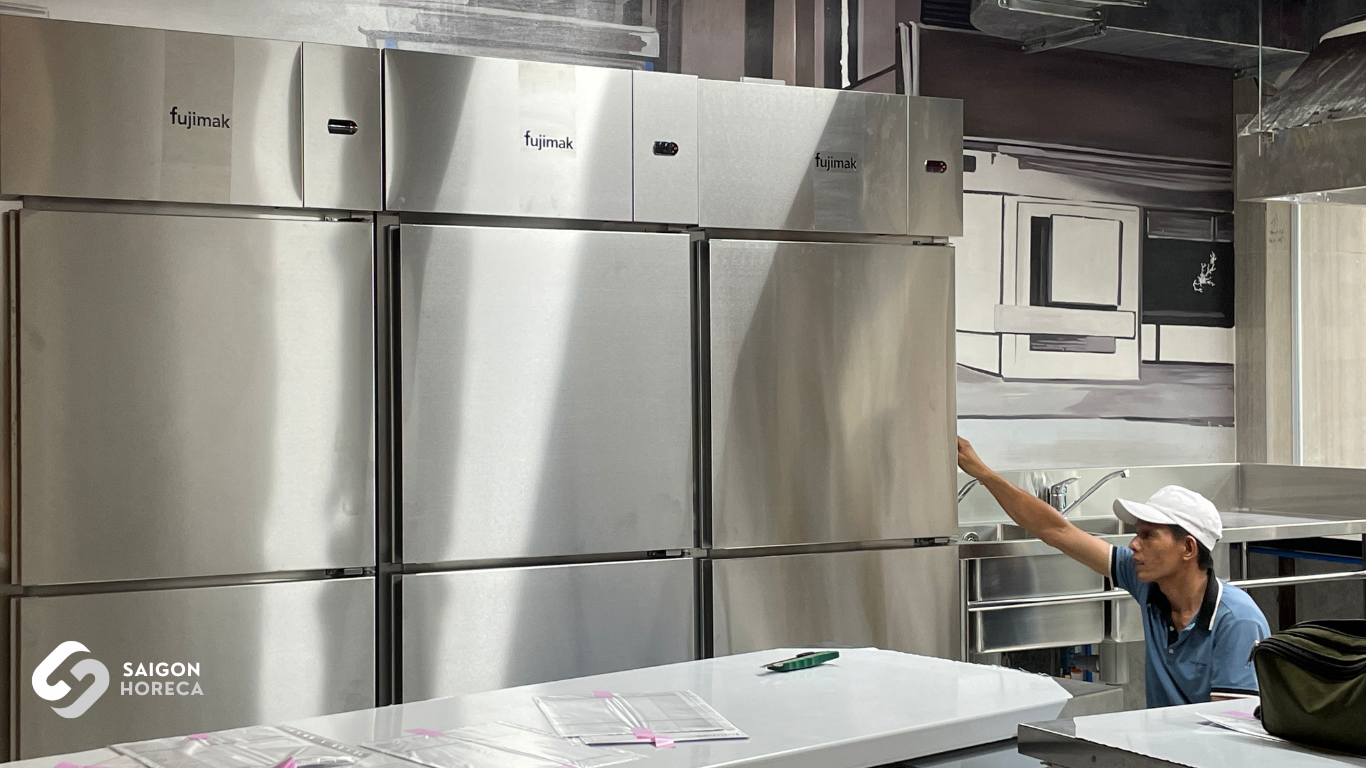
Should I choose a freezer or a refrigerator? Suggestions for each business model
Choosing industrial freezer or industrial refrigerator is not simply a matter of food preservation but also directly affects the operating performance and costs of the business. Each business model has its own characteristics, requiring careful consideration to ensure food is always fresh, safe and serves customer needs. Below are suggestions to help you make the right decision.
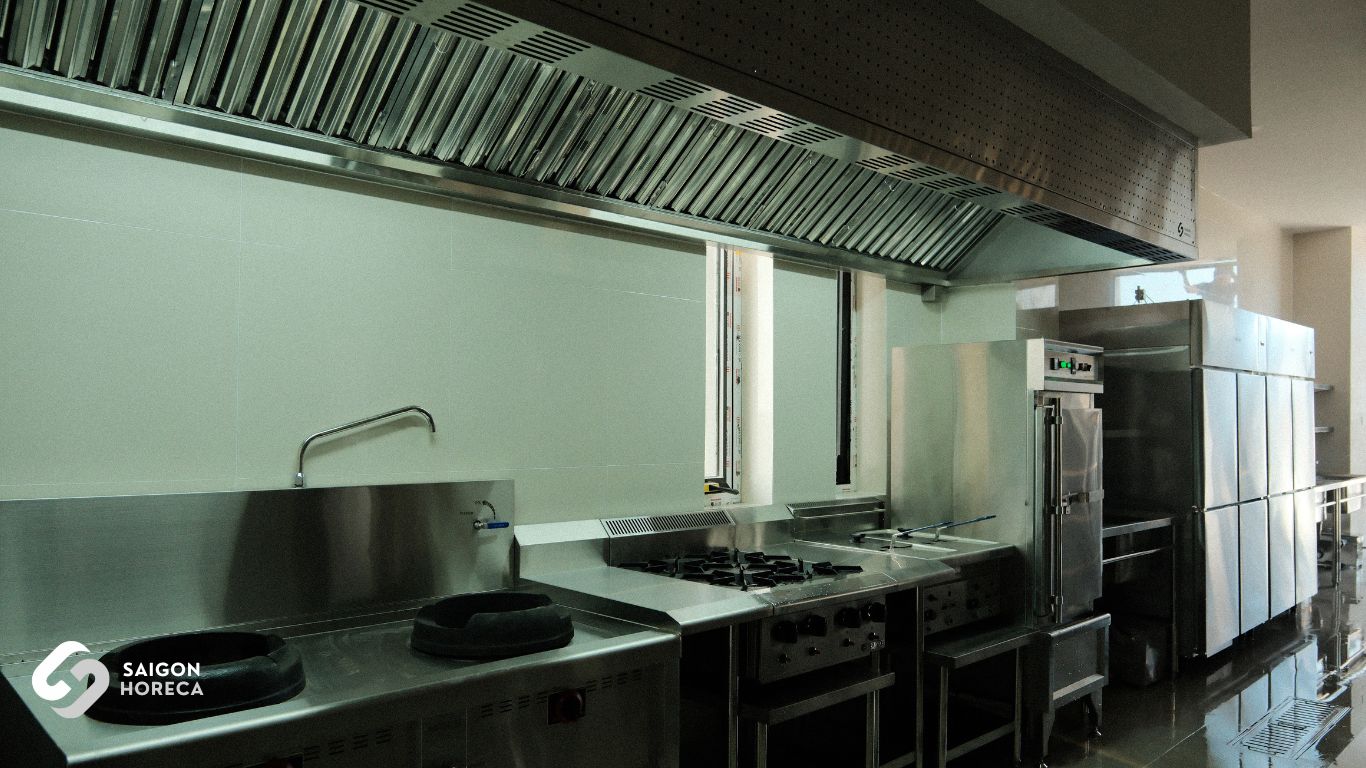
2.1. Restaurants, eateries
Restaurants and eateries often use many different types of foods, from fresh ingredients to processed foods. Therefore, choosing the right storage cabinet is a key factor in maintaining food quality and reducing ingredient loss.
You should choose a freezer when:
- Restaurants specializing in serving seafood, beef, chicken, or frozen foods that need to be preserved in large quantities to save on import costs.
- Buffet and central kitchen business with long-term food storage needs.
You should choose a refrigerator when:
- Use a lot of vegetables, sauces, drinks, milk or perishable ingredients that need to be stored at cool temperatures.
- The restaurant has a menu that requires constantly fresh ingredients such as salads, sushi, or fine dining style dishes.
2.2. Hotels, commercial kitchens
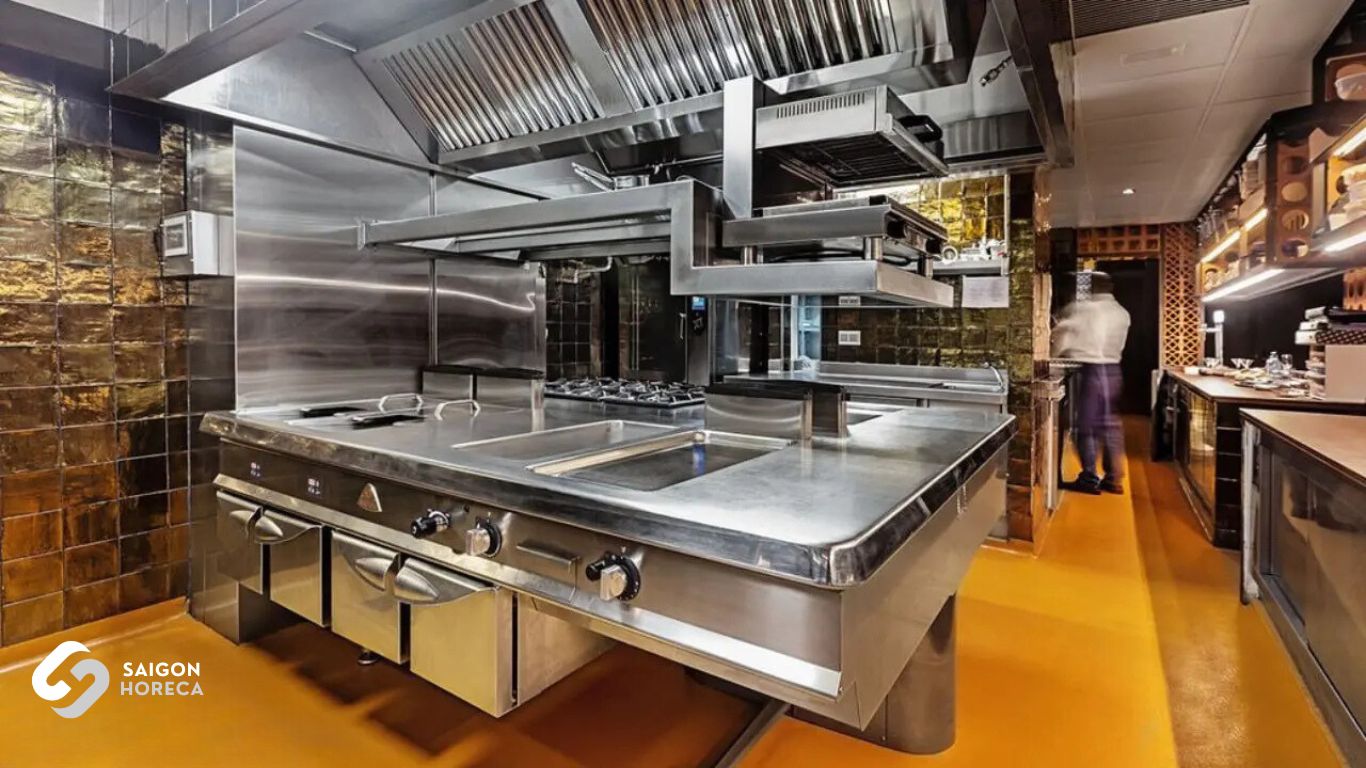
Different from regular restaurants, hotels and commercial kitchens serve a large number of customers every day, requiring the ability to store food long-term and ensure stable supply.
Industrial freezers are a mandatory choice if:
- Businesses need to store large quantities of meat, seafood, and processed ingredients to ensure a stable supply.
- Operates under the central kitchen model, providing food to many different branches.
Industrial refrigerators are needed when:
- The kitchen needs to preserve fresh foods such as vegetables, milk, and sauces to serve daily meals.
- Manage food warehouses according to the FIFO (First In, First Out) process to reduce food loss.
Advice: You should choose freezers and refrigerators with large capacity, many separate compartments to clearly classify food, avoid cross-contamination and ensure food hygiene and safety.
2.3. Bakeries, beverage stores
Bakeries and beverage stores have different food preservation needs than restaurants or commercial kitchens. Ingredients such as butter, milk, fresh cream, and fruit require precise storage conditions to retain product flavor and texture.
Industrial refrigerators are important equipment when:
- It is necessary to preserve perishable ingredients such as butter, fresh milk, fresh cream, and pre-cut fruit.
- Storing chocolate, syrup, and mixing ingredients to maintain quality and stability.
Industrial freezers are necessary if:
- Stores that sell cakes, mousse, or cakes that require freezing.
- Trading in gelato, ice cream, or handmade frozen products.
Advice: You should choose a refrigerator with glass display to both preserve and attract customers, helping them easily choose products.
2.4. Supermarkets, convenience stores
Supermarkets and convenience stores need to store a variety of items from frozen foods to fast-moving consumer products. Good preservation not only ensures product quality but also directly affects the customer’s shopping experience.
Industrial freezers are needed for:
- Store frozen foods such as sausages, fish balls, processed foods, ice cubes.
- Ensure that products always maintain their freshness when they reach consumers.
Industrial refrigerators help:
- Preserve milk, beverages, fruits, and fresh foods in the best condition.
- Maintains coldness for products with short life cycles such as cakes and yogurt.
Advice: You should use cabinets with transparent glass doors so that customers can easily observe the products and optimize the display space in the store.
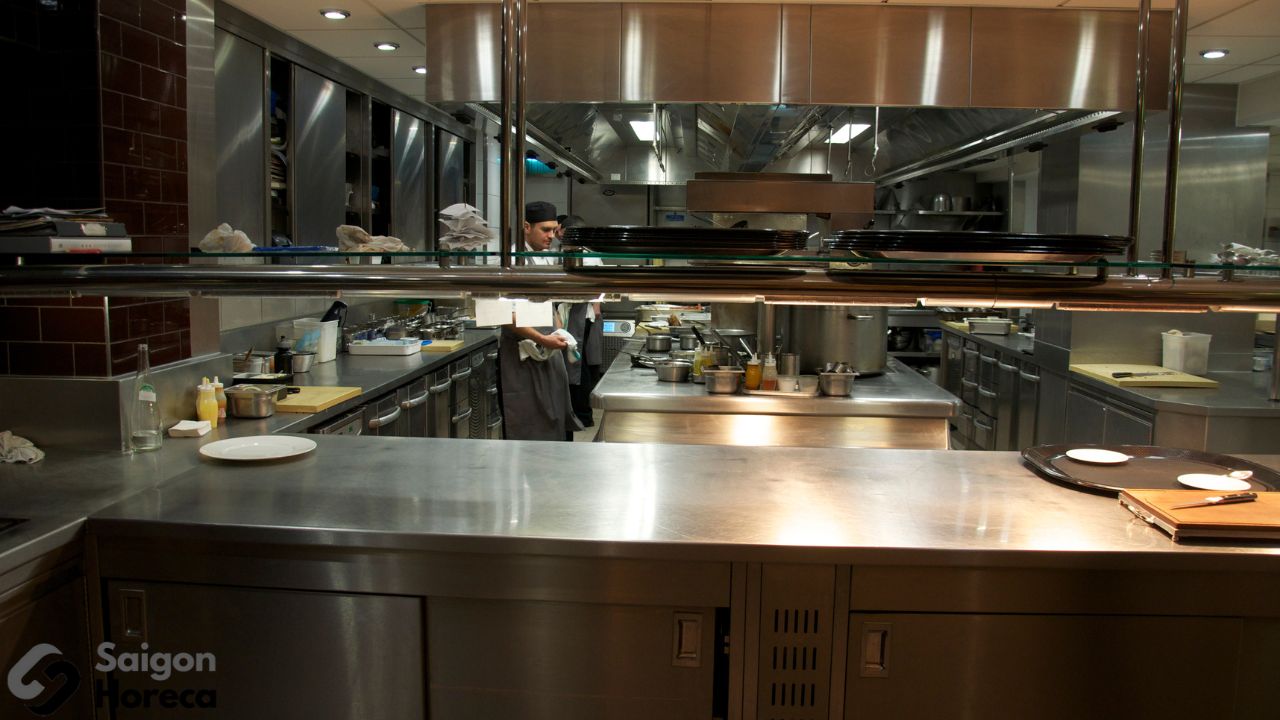
Choose a freezer or secondary refrigerator depends on specific needs
There is no one suitable option for all business models. Depending on food needs, import frequency and operating style, businesses can choose freezers, refrigerators or a combination of both to achieve the highest efficiency.
- If you need to preserve food for a long time → Freezer is the right choice.
- If you need to use fresh food every day → Refrigerator is the optimal solution.
- If you have a diverse business with products → You should combine both to optimize operations.
Investing in the right food preservation equipment not only helps businesses save costs but also improve service quality, ensure customer satisfaction and optimize profits.

Notes when choosing to buy industrial freezers and refrigerators
The choice of industrial freezers and refrigerators does not only stop at capacity or design but is also directly related to operating performance, electricity costs and equipment life. A wrong decision can lead to unnecessary waste or affect food quality. Below are important factors to consider before investing.
1. Determine usage needs
Before choosing to buy, businesses need to clearly determine the purpose of use:
- Preserve frozen food for a long time? → Choose an industrial freezer with temperatures from -18°C to -25°C.
- Storing fresh food, vegetables, drinks? → A refrigerator with a temperature range from 0°C to 8°C is a suitable choice.
- Used in commercial kitchens, restaurants or convenience stores? → Need to choose a cabinet with a design suitable for the space and operating process.
Advice: Don’t just choose based on your feelings, consider the frequency of use, the amount of food to be stored and the installation area to ensure the equipment best serves your business.
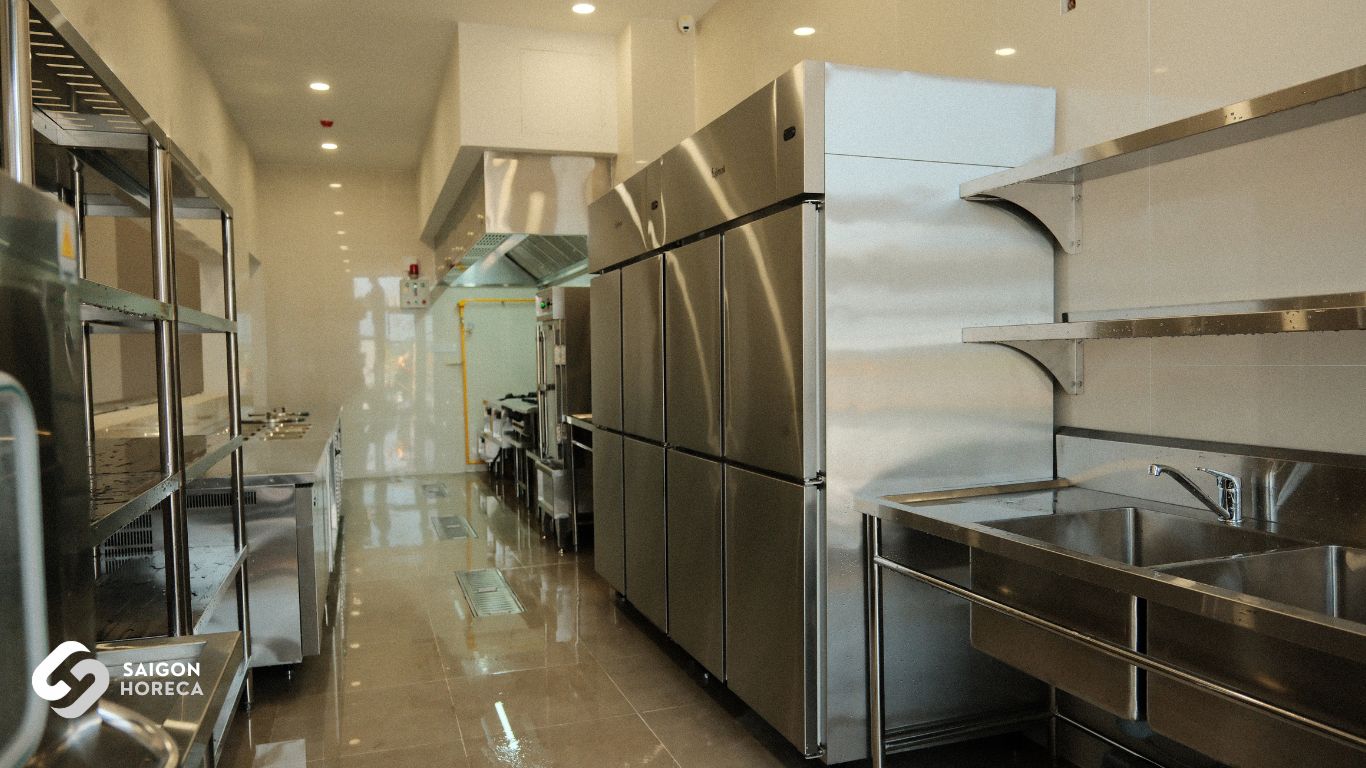
2. Cabinet capacity and design
Industrial freezers and refrigerators come in many different sizes, from 1 door, 2 doors to 4 doors. Businesses need to consider:
- Kitchen space or display area: If space is limited, you can choose vertical cabinets instead of horizontal cabinets to save space.
- Operating capacity: Large kitchens and buffet restaurants need large capacity cabinets (from 500L – 1500L) to ensure enough food storage for many days.
- Designed with glass doors or closed doors? Cabinets with glass doors are suitable for convenience stores, helping customers easily choose products without opening the cabinet.
Advice: The bigger the cabinet, the better. If storage needs are not high, choose a cabinet with moderate capacity to avoid wasting electricity.
3. Cooling performance and energy saving
A good refrigerator not only cools quickly but also saves energy to reduce operating costs. When choosing to buy, pay attention to:
- Cooling technology: The refrigerator has a fan cooling system (No Frost) that helps distribute cold air evenly, limiting frost build-up.
- Thermal insulation material: Thick cabinet walls, polyurethane insulation layer helps retain heat well, reducing power loss.
- Electricity saving certification: Cabinet lines using R290 or R600a gas often have high cooling efficiency and consume less electricity than traditional R134a gas.
Tips: Choose a cabinet with a high energy label (Inverter or Eco Mode) to reduce your electricity bill in the long run.
4. Durability and reputable brand
Industrial freezers and refrigerators are long-term investments, so durability and after-sales service are important factors:
- Choose a reputable brand: Big brands such as Sanaky, Berjaya, Snow Village often have stable quality and good warranty.
- Material inside the cabinet: Rust-resistant 304 stainless steel will be more durable than cabinets with conventional coating.
- Warranty: You should choose products with a warranty period of 12 – 24 months, with genuine maintenance service.
Advice: Don’t just choose cheap price. A poor quality cabinet can cause food damage and incur many repair costs later.
A suitable industrial freezer or refrigerator not only helps preserve food better but also helps businesses save operating costs and improve service quality.
Before deciding, carefully evaluate your usage needs, capacity, power saving ability and reputable brand to ensure your investment brings long-term value.

 Facebook
 Zalo
Zalo